Summer Things to Do in Boston Locals Recommend
No Freedom Trail required. A JP lifer's field guide to the parks, beaches, markets, and ballgames that actually fill up a Boston summer weekend.
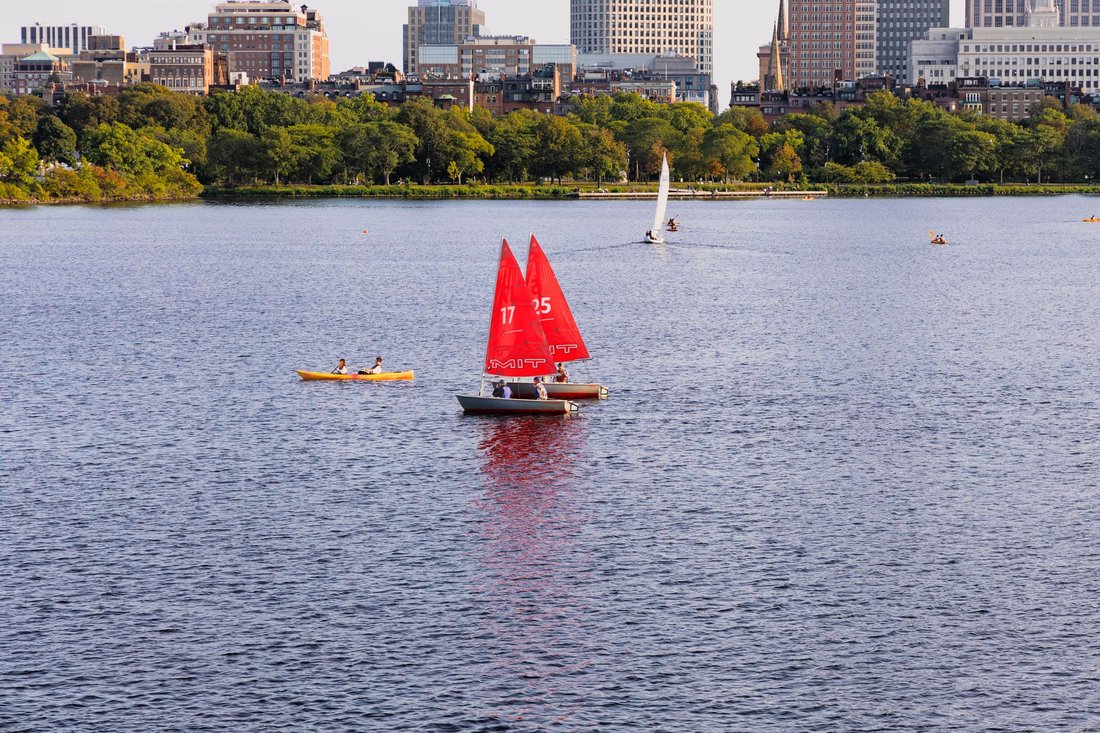
By seven on a July evening, the grass along the Charles River Esplanade is elbow to elbow with people who left work still wearing their name badges, and nobody's in a hurry to go anywhere else. Sailboats tack under the Longfellow Bridge, somebody's dog is not supposed to be off leash and is off leash anyway, and if there's a concert booked at the Hatch Shell you'll hear the soundcheck rolling across the water before you ever see the stage. This is what summer things to do in Boston actually look like on a random Tuesday: nothing scheduled, nowhere fast, everybody outside because the winter earned it. Nine months of gray coats buys this city a short, loud, unreasonably good stretch from Memorial Day through Labor Day, and locals do not waste it standing in a Freedom Trail queue behind a tour flag. Neighborhoods handle it differently, too. Southie treats the water like a birthright, JP treats its parks the same way, and the South End treats a Saturday market like a civic duty. None of it requires a plan more elaborate than showing up. Here's where they actually go.
Summer Things to Do in Boston, By the Water
The Charles River Esplanade is the city's front lawn, a strip of parkland running along the Boston side of the river from the Museum of Science down past Back Bay, and it does more work than any single park should. People run it, row from the boathouses, picnic on it, and fall asleep on it. Community Boating, the sailing program based near the Hatch Shell, lets members take small boats out onto the river all summer, and watching the sails cut across the water at sunset is free even if you're not the one holding the tiller. The Hatch Shell, the outdoor amphitheater near the Longfellow Bridge, hosts free public concerts and movie nights through the warmer months, most famously the Boston Pops' Fourth of July show, though the lawn fills up for smaller acts all summer without the fireworks crowd. Bring a blanket, expect zero shade after 4pm, and know that the good spots go early. Insider move: skip the marquee nights and catch a random Tuesday concert instead, same lawn, a tenth of the people, and you can actually hear yourself think between songs.

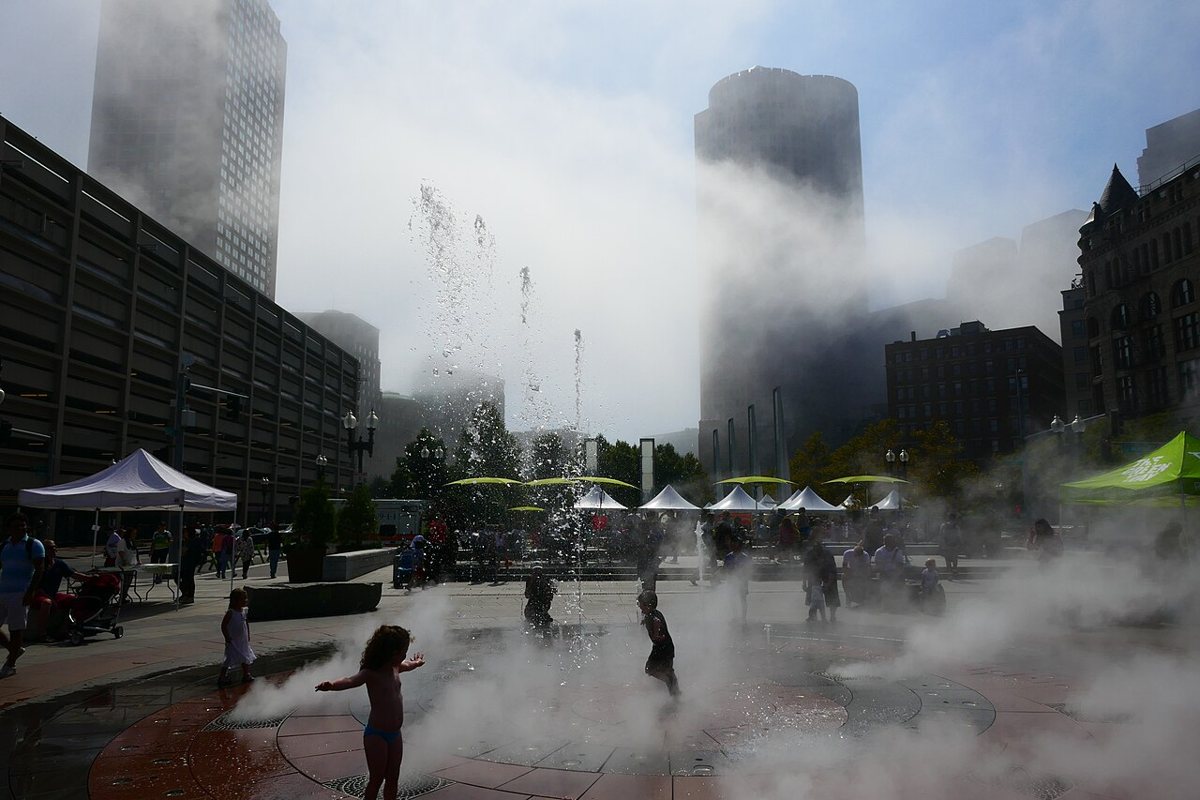
The Rose Kennedy Greenway is the ribbon of parks that replaced the old Central Artery, the highway that used to run overhead, running from the North End down through downtown to Chinatown, and it took Boston about a decade to figure out what to do with it. The answer turned out to be: food trucks, a rotating art installation or two, a carousel, fountains that kids run through in their clothes, and enough benches that office workers actually eat lunch outside now. It's not a destination so much as a spine connecting several neighborhoods, which makes it a good excuse to walk from the North End to the Seaport instead of taking the T. Different stretches have different personalities: the Wharf District parks near the Aquarium lean touristy, Dewey Square near South Station gets a weekday farmers market crowd on their lunch break, and the Chinatown Park end feels the most like a neighborhood using its own backyard. Insider tip: the interactive fountains near the Rings Fountain draw a serious toddler crowd on hot afternoons, worth knowing if you're trying to avoid one or find one.

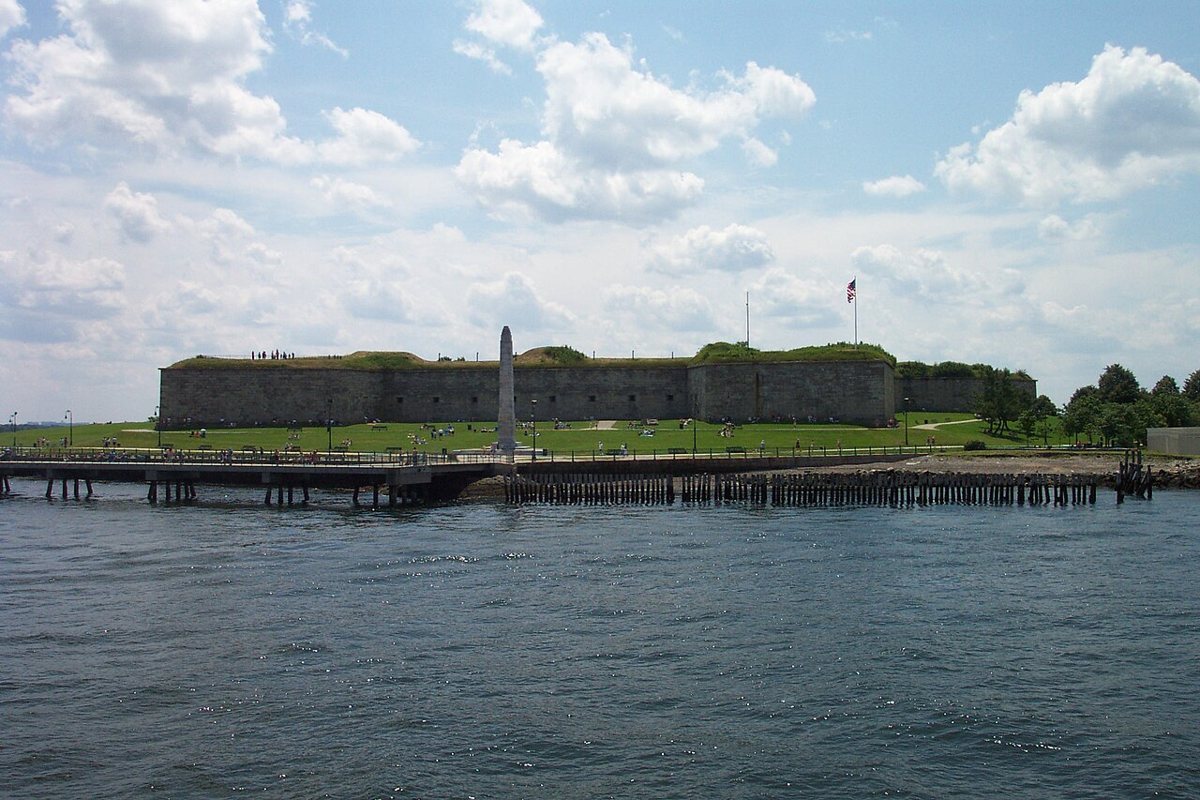
Castle Island isn't an island anymore, technically, it's been connected to South Boston by landfill for over a century, but nobody who grew up here is going to stop calling it that. It's a waterfront park built around old Fort Independence, with a walking path that loops the whole peninsula, a public beach at Pleasure Bay, and sightlines straight onto the runways at Logan so you can watch planes come in low over the water. The move is to walk the loop, then get in the line at Sullivan's, the walk-up clam shack that's been there since the 1950s, for fried clams or a cold lobster roll with mayo, never warm butter, this is Boston. If Sullivan's isn't your thing, our rundown of the best lobster roll in Boston covers where else to go. Southie locals treat the Sullivan's line as a summer ritual, not a tourist stop, so don't feel bad cutting in front of someone with a map. Early mornings belong to dog walkers and the L Street Bathhouse crowd nearby, the polar-bear club types who swim in Dorchester Bay year-round and treat summer as the easy season. Pleasure Bay itself is calm enough for kids to wade in, protected by a breakwater that keeps the harbor chop out, and there's a bandstand that occasionally hosts something worth stopping for.

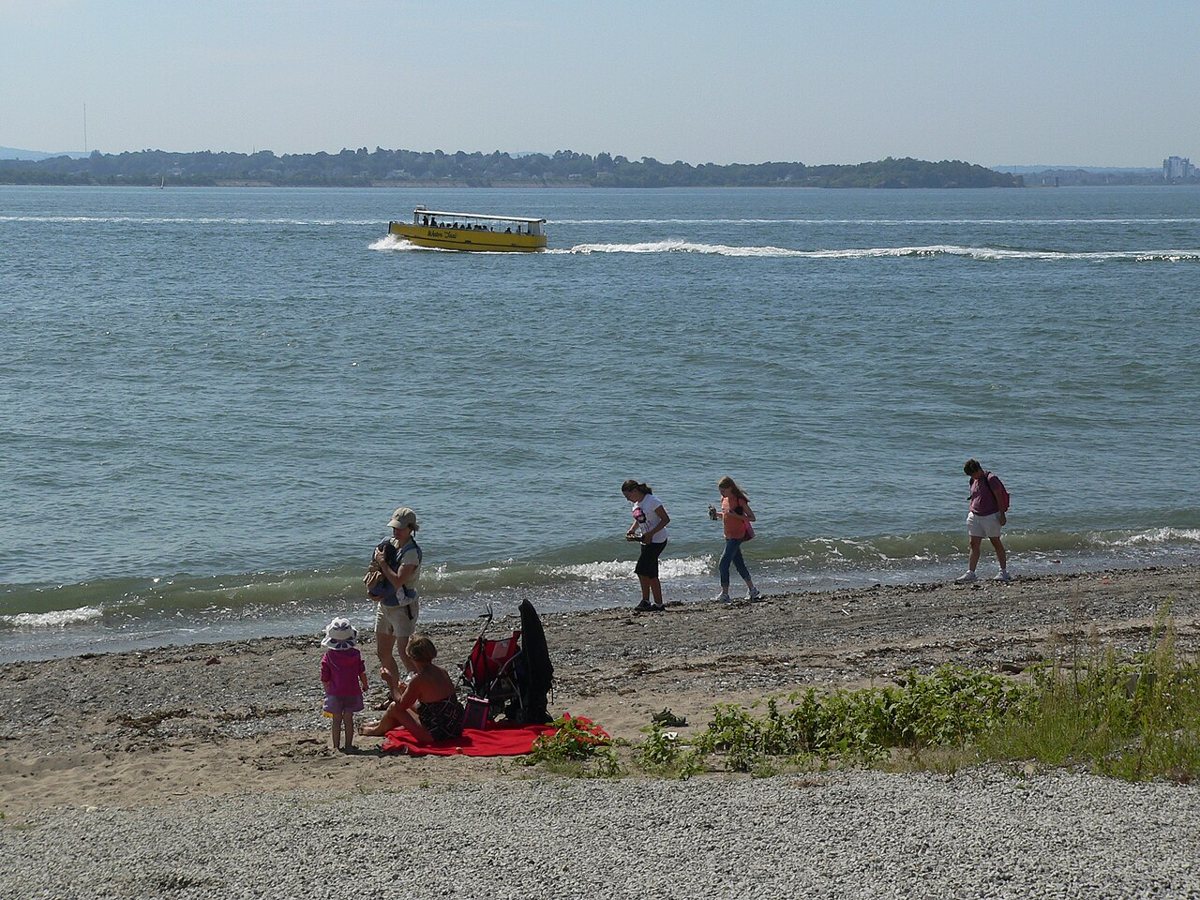
The Boston Harbor Islands are the thing most visitors don't know exist and most locals don't get around to often enough. A ferry, usually running out of Long Wharf near the Aquarium T stop, gets you out to a cluster of islands in the harbor with hiking trails, swimmable beaches, old fort ruins, and views of the skyline you can't get from land. It's a genuinely different pace from the city, quiet in a way nowhere downtown manages in July. Check the ferry schedule before you go since it's seasonal and can shift with weather, and bring your own food and water because options on the islands are limited. This is the closest thing Boston has to a day trip that doesn't require a car. Georges Island, home to the crumbling walls of Fort Warren, is the usual hub the other islands connect through, and it's worth an hour on its own for the tunnels and gun batteries alone. A few of the islands allow overnight camping through the season if you want to push the day trip into something longer, though that takes advance planning most visitors skip.
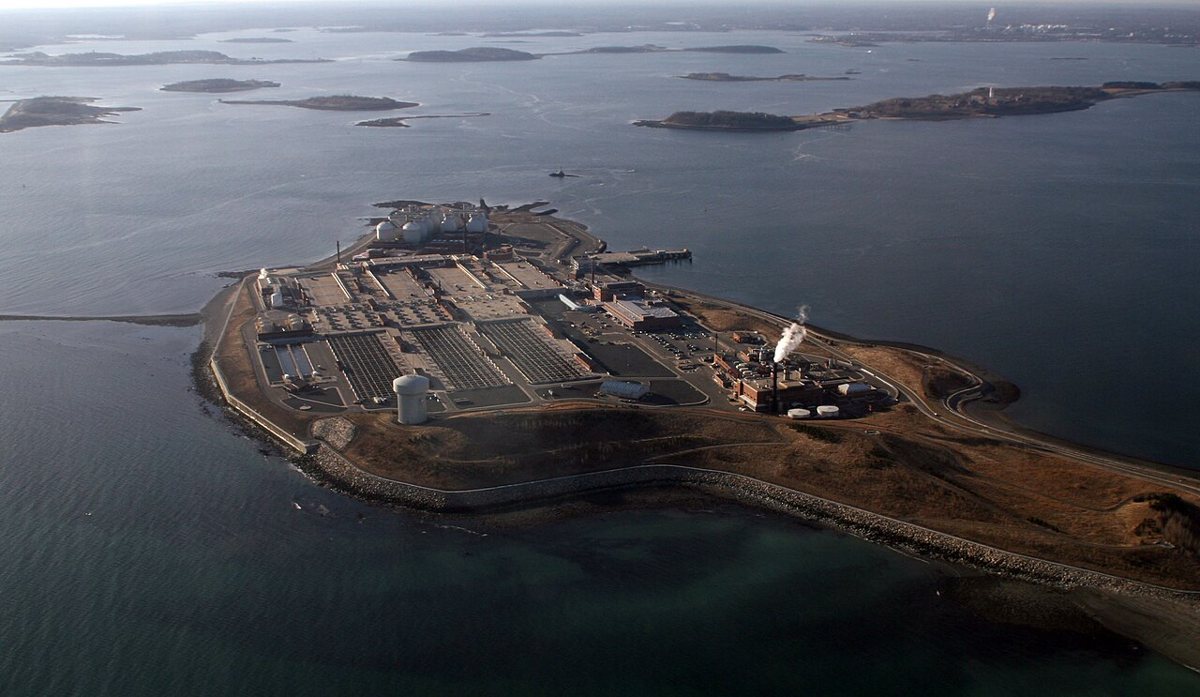

Spectacle Island
Of the harbor islands, Spectacle is the one most people mean when they say they're "doing the islands" for a day. It's close, easy to reach by direct ferry, and built up enough, literally, that the Big Dig's excavated dirt gave it real hiking trails, a swimming beach with lifeguards, and a visitor center with actual bathrooms. The highest point on the island gives a genuinely good view back at the city, which surprises people who assumed Boston Harbor was just industrial waterfront. Pack a lunch, because the snack bar options are thin, and get there early if you want beach space, since the island has no shade to speak of. The trail network loops the whole perimeter and cuts inland over the drumlins, and it's flat enough that families with strollers manage it without much complaint. Lifeguards staff the beach during the season, which makes it one of the few harbor swimming spots where you don't have to guess how safe the water actually is that day.

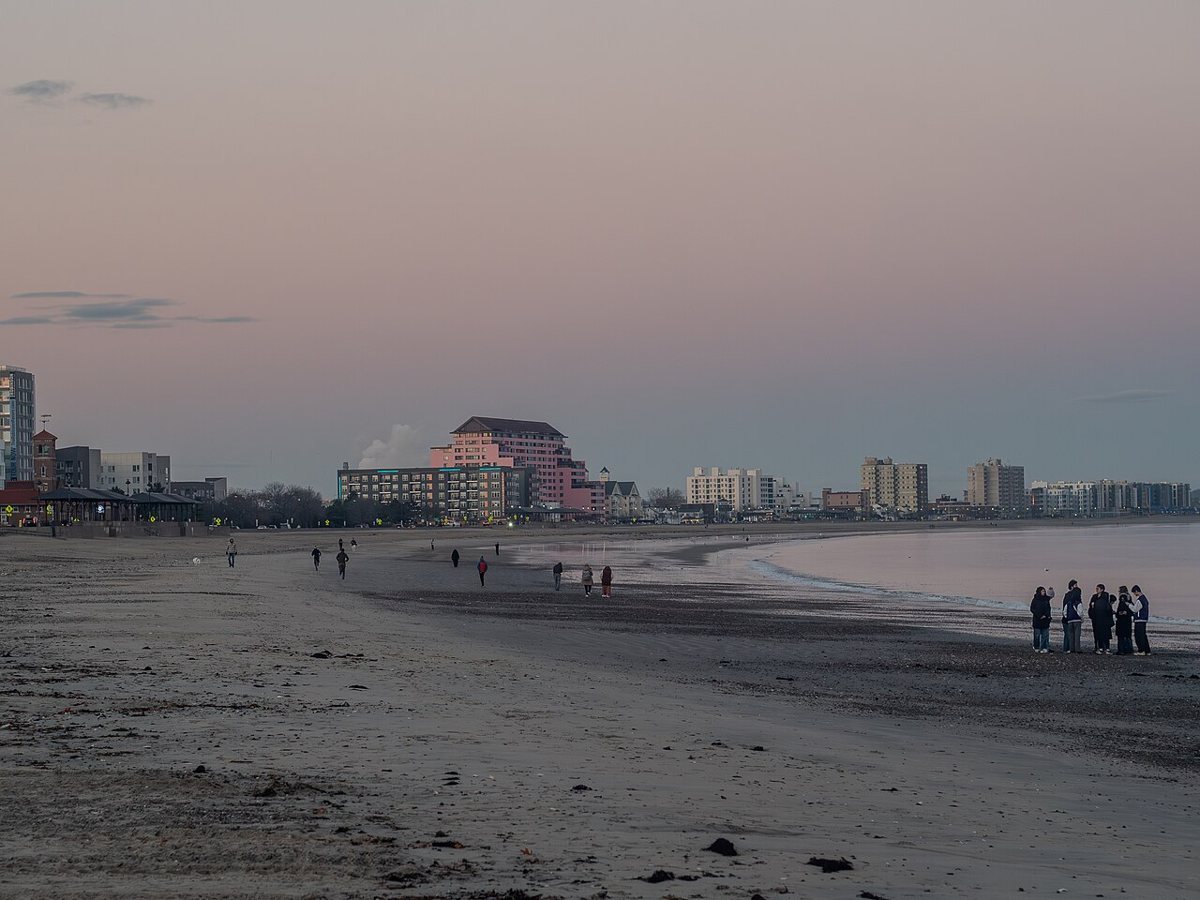
Revere Beach doesn't get enough credit for being the oldest public beach in the country, and it's reachable on the Blue Line, which makes it the rare Boston beach you don't need a car or a parking miracle to reach. It's a real working-class beach in the best sense, families with coolers and umbrellas staking out the same spot they've used for decades, a boardwalk lined with Brazilian, Cambodian, and Italian food stands, and a sand sculpting festival that draws serious talent most summers. The water is colder than people expect and the crowd is louder and more local than the Cape beaches two hours south. Go on a weekday morning if you want space, or go on a Saturday if you want the full boardwalk experience, fried dough included. Kelly's Roast Beef, the North Shore institution that's been slinging roast beef sandwiches from the same corner near the beach since the 1950s, is the unofficial finish line for a day at Revere, and arguing about whether it beats the newer roast beef spots up Route 1 is a genuine local pastime.

Green Space That Isn't Just the Common
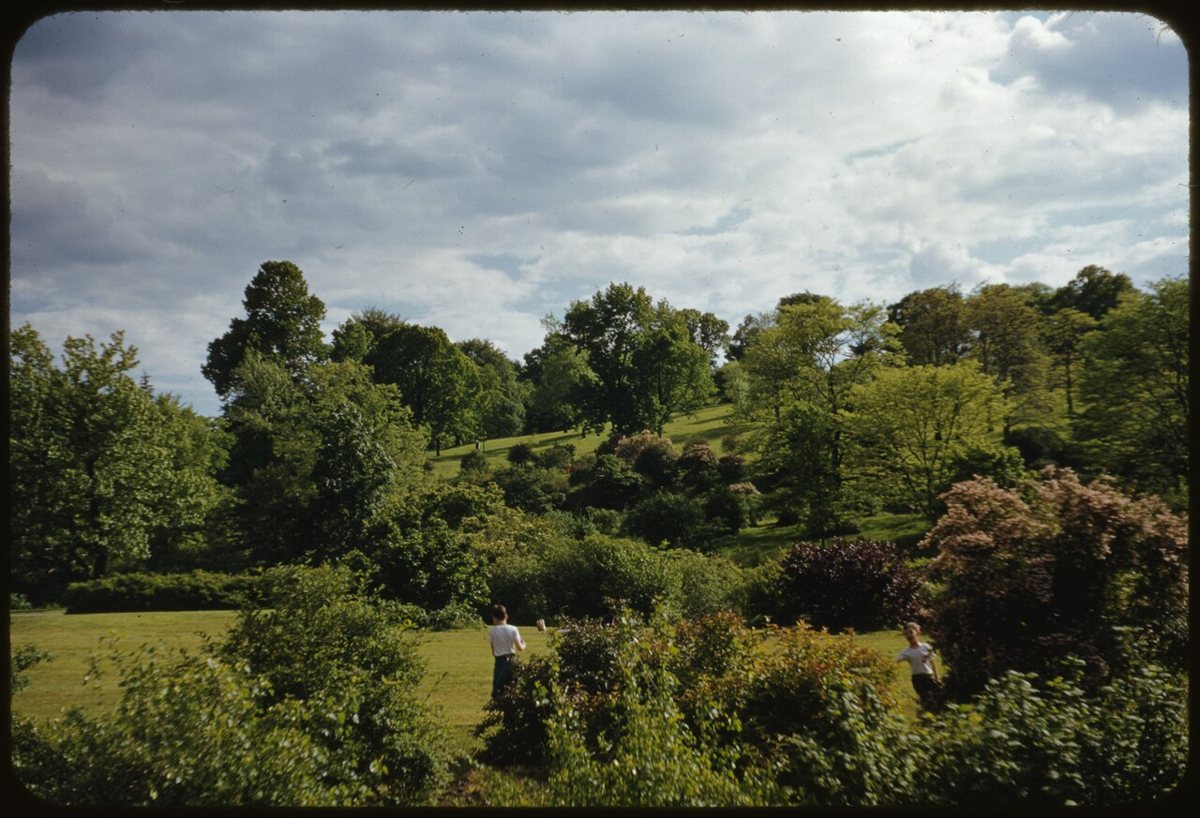
The Arnold Arboretum, set in Jamaica Plain and run jointly by Harvard and the city, is 281 acres of Frederick Law Olmsted-designed parkland that most out-of-town guides skip entirely, which is their loss. Locals use it like a backyard: running the loop road, climbing Peters Hill for one of the best skyline views in the city that nobody photographs, or just lying under the lilacs when they're blooming in late spring bleeding into early summer. It's free, it's enormous, and it almost never feels crowded even on a packed Saturday because there's so much ground to spread out on. Insider tip: the Explorers Garden and the conifer paths near Bussey Hill stay noticeably cooler on the worst humidity days, a real advantage when the rest of the city feels like a wet towel. Dogs are allowed on leash on the paved roads, which makes the Arboretum one of the few Olmsted-designed spaces in the city where that's true, and the whole thing connects into the rest of the Emerald Necklace park system if you're the type who likes to keep walking past the point where it makes sense.
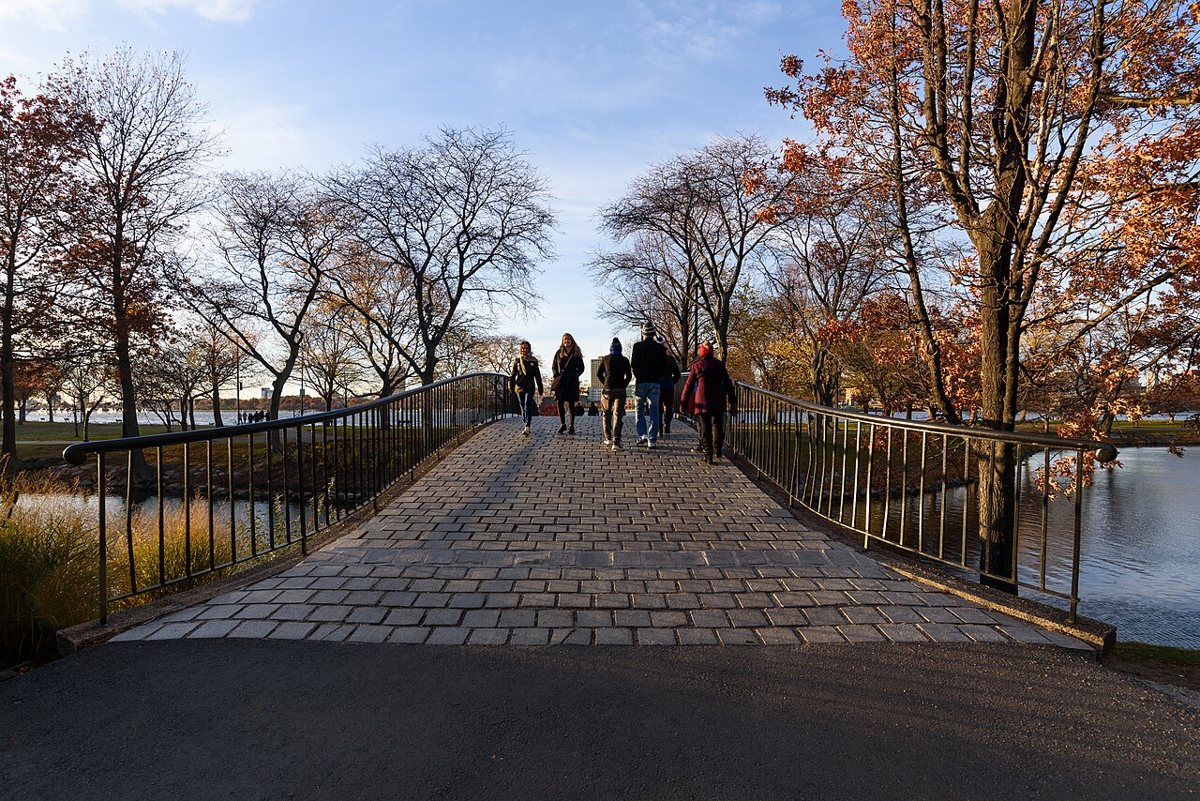
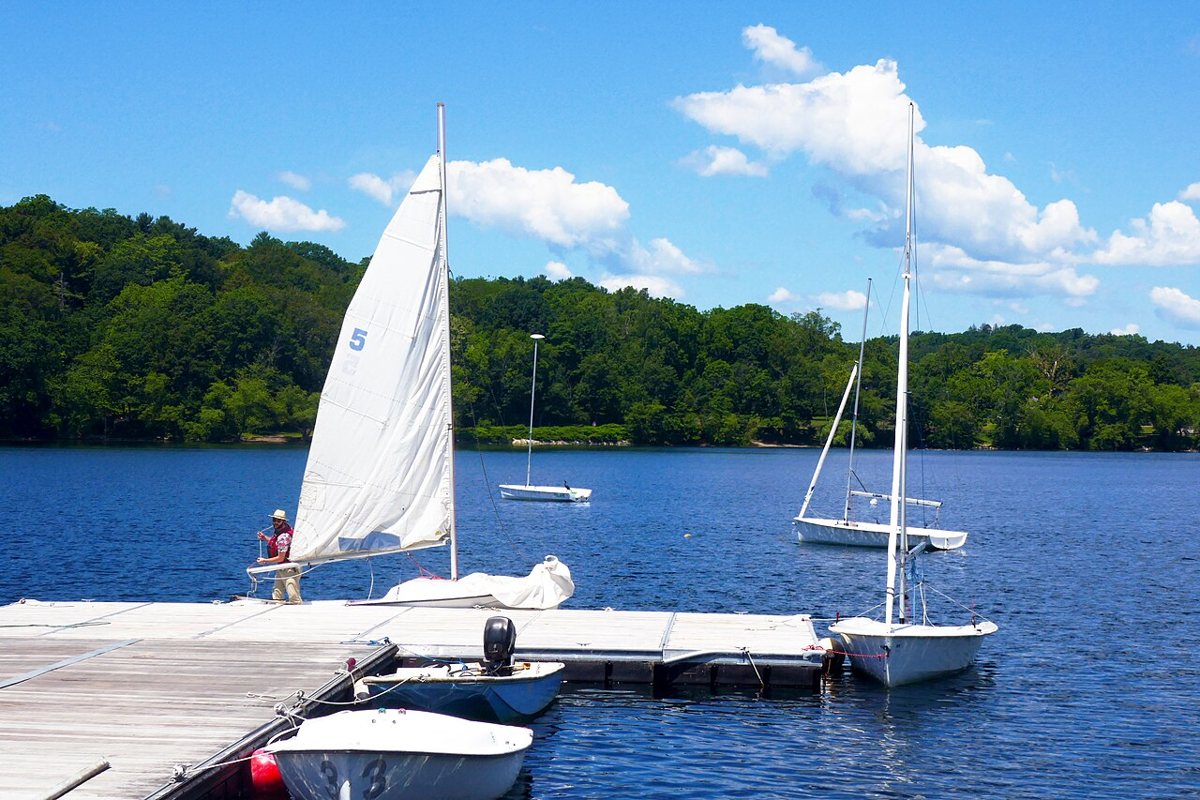
Jamaica Pond, a short walk from the Arboretum, is a 68-acre glacial kettle pond ringed by a 1.5-mile walking path that Jamaica Plain residents treat as sacred ground. People row, sail small boats out of the boathouse, fish, or just walk the loop at dusk when the light comes off the water sideways and the whole thing looks better than a pond has any right to. It's the kind of neighborhood amenity that makes JP residents insufferable about their neighborhood, and having lived here for over two decades, fair enough. No swimming allowed, but the boathouse rents sailboats and rowboats through the warmer months, and the bench along the eastern shore is the best unofficial reading spot in the city. The pond sits close enough to the Arboretum and Centre Street's restaurants that a lot of JP residents string all three together into one loop: a walk, a paddle, dinner, done before it's fully dark.

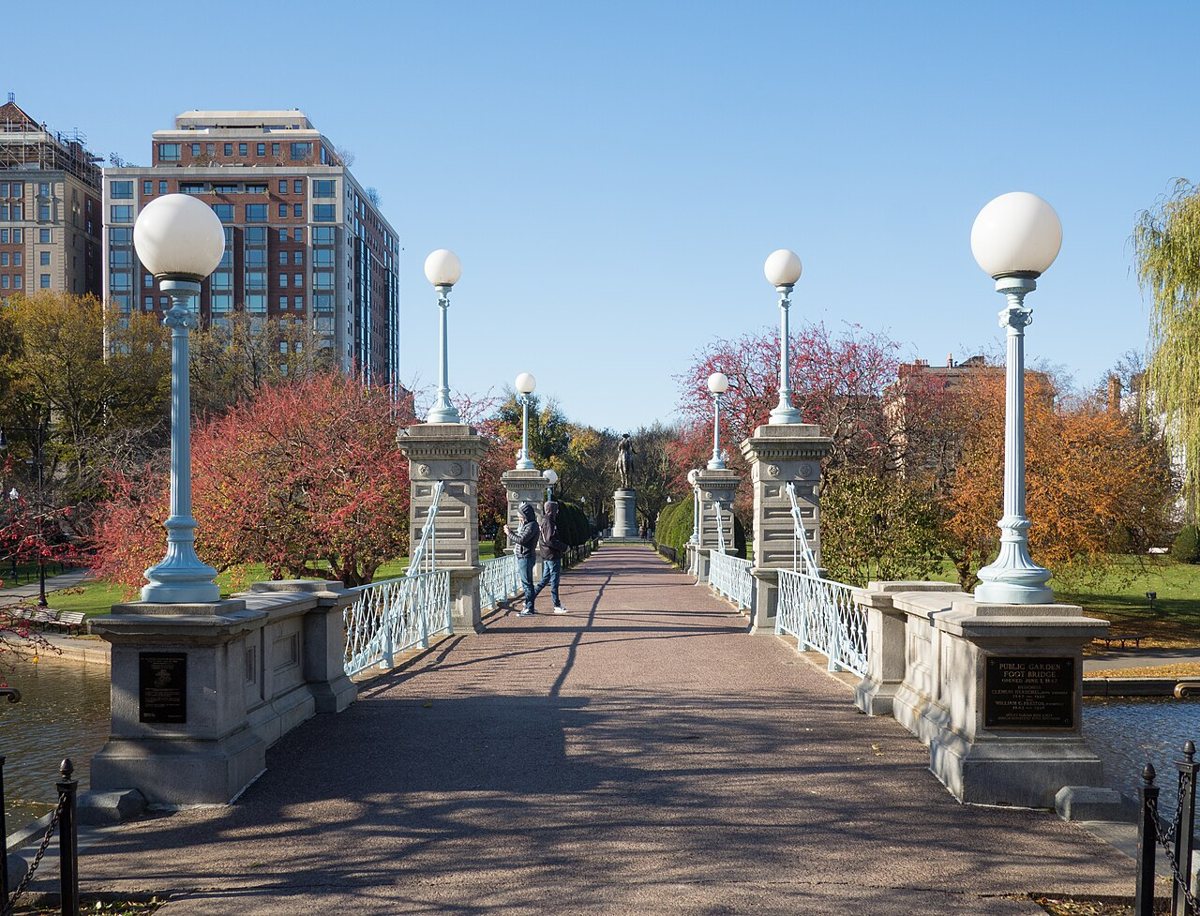
Boston Common and the adjoining Public Garden are the two pieces of downtown green space every visitor hits, and they're worth hitting even though everyone tells you to. The Common is the older, scruffier, more democratic of the two, the oldest public park in the country, home to a splash pad packed with kids in the heat and a general population of dog walkers, lunch-breakers, and the occasional guy with a boombox. The Public Garden next door is fussier and more formal, all manicured flower beds, and it's home to the Swan Boats, foot-pedaled boats shaped like swans that have circled the lagoon since 1877. It's corny. Ride one anyway, ideally with a kid as cover if you're self-conscious about it. Back on the Common, the Frog Pond turns into a shallow spray pool in summer and is one of the few genuinely free ways to cool a kid down in the middle of downtown. Both parks sit at the top of the Freedom Trail, and plenty of people who've lived here their whole lives have never walked the actual trail past this point, which tells you something about how locals versus visitors use the same ground.

Neighborhood Rituals Worth Planning Around
SoWa, short for South of Washington, is the open-air market that takes over a parking lot in the South End on weekends through the warmer months, and it's grown from a scrappy artist market into a genuine draw with vegetable stands, food trucks, vintage clothing racks, and local makers selling everything from ceramics to soap. The South End itself is worth the trip on its own, block after block of bowfront Victorian brownstones and a restaurant row on Tremont Street that locals actually eat on, not just visitors. Go early to beat the crowds and the worst of the midday sun, and budget more time than you think, because the market sprawls further than it looks from the entrance. A SoWa Vintage Market runs alongside the main stalls most weekends for anyone hunting furniture and secondhand clothes rather than produce, and the rooftop farm above one of the old industrial buildings nearby is a strange, worthwhile detour if you've never seen vegetables growing four stories above a parking lot.
The North End's summer feasts are one of those Boston things that outsiders half-know about and locals plan whole weekends around. Italian-American societies run outdoor saint's feasts through the summer, closing off streets for processions, food stands, and live music that turns the neighborhood's already-tight streets into something closer to a block party than a tourist attraction. It's the North End at its most itself, loud, food-forward, unapologetically old-school. The Fisherman's Feast and St. Anthony's Feast are the two biggest and both draw generations of families back to the neighborhood their grandparents grew up in, which is really the point of the whole tradition. If you want the fuller neighborhood rundown, including which bakeries actually deserve the line out the door, our guide to things to do in the North End covers it. Show up hungry and prepared to eat standing up, and know that the Mike's Pastry versus Modern Pastry debate is not actually a debate, it's a loyalty test, and everyone in the neighborhood already picked a side decades ago.
For a Crowd, a Game, and a Reason to Yell
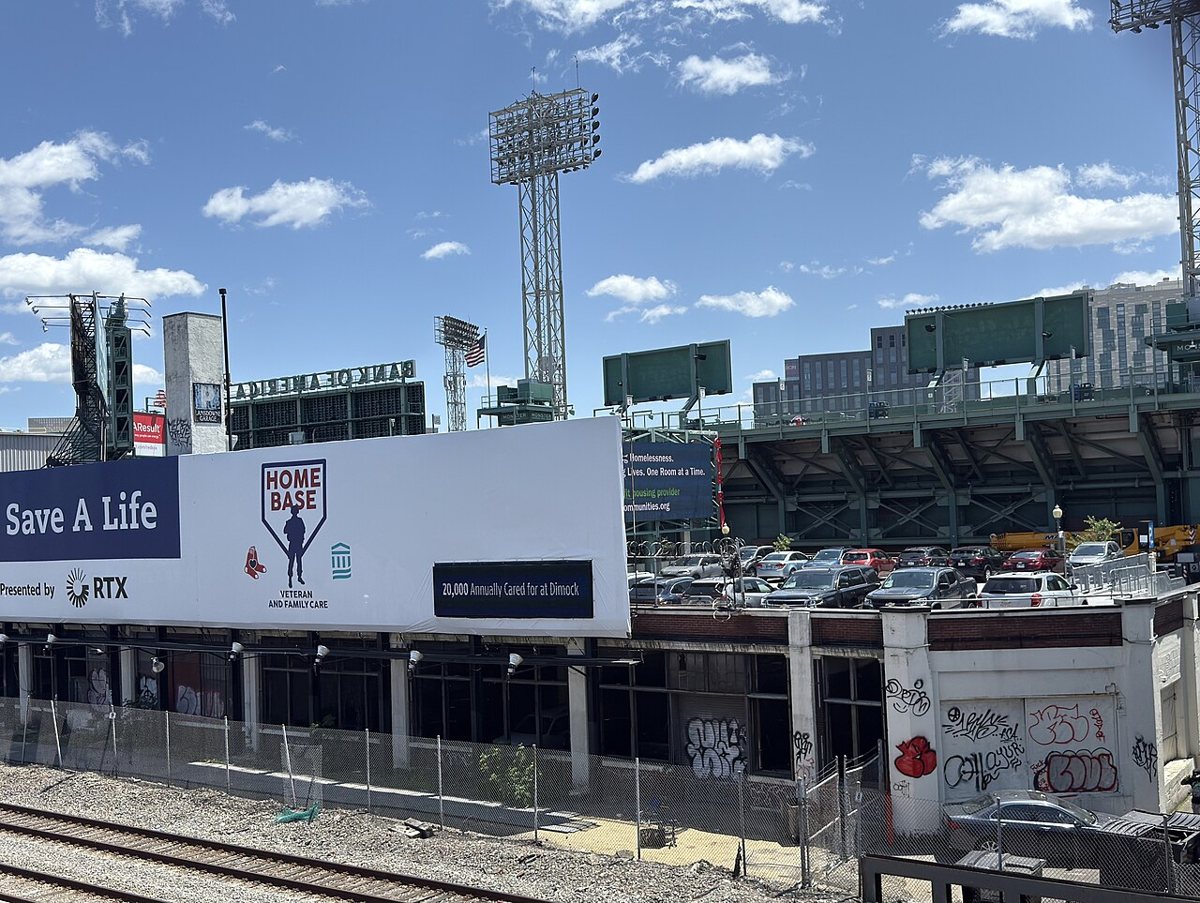
Fenway Park in summer is Boston at its most tribal, and that's not a marketing line, it's just true. The oldest ballpark in Major League Baseball, opened in 1912, still has the cramped seats, the obstructed views, and the Green Monster looming over left field that make it a completely different experience from any modern stadium. A summer night game there, especially against a rival, turns Lansdowne Street and the surrounding blocks into a genuine scene hours before first pitch. Get there early to walk around the park exterior and grab something from one of the street vendors before you're locked into your seat. Jersey Street, formerly Yawkey Way, closes to traffic on game days and turns into its own pregame scene of sausage carts and bars spilling onto the sidewalk, worth a lap even if your seats aren't for another hour. Standing-room tickets near the Monster are usually the easiest way in on short notice, and the view from up there is better than the price suggests. Wear something that at least gestures at red, and do not, under any circumstances, root for the visiting team out loud.

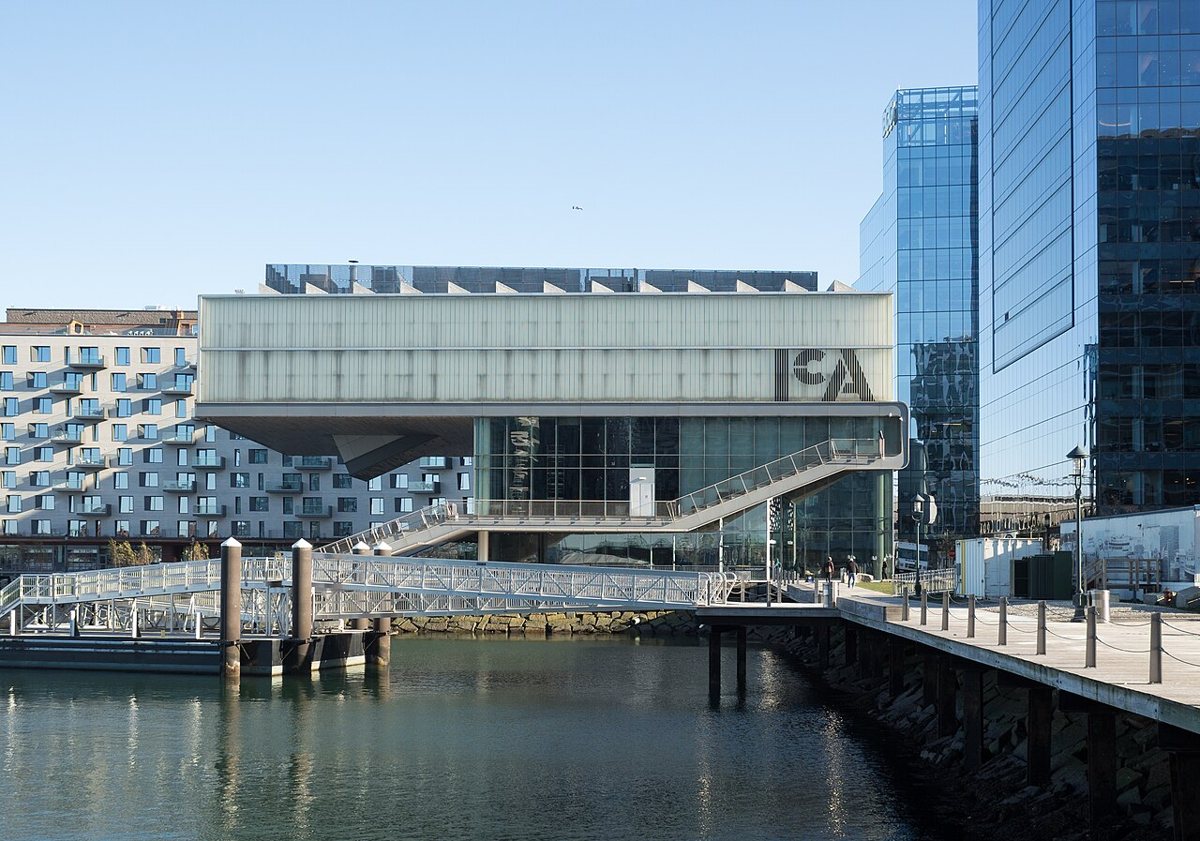
The Institute of Contemporary Art sits right on the water in the Seaport, in a building that cantilevers dramatically out over the harbor, and it's as much a summer destination for the view and the waterfront deck as for the art inside. The rotating exhibitions lean contemporary and often genuinely challenging, not just crowd-pleasing photo backdrops, and the harbor-facing back wall of windows is one of the better places in the city to sit with a coffee and watch the water. It anchors a Seaport waterfront that's transformed over the past decade from parking lots into a legitimate summer strip of harborwalk, restaurants, and public art. Check what's showing before you go, since the exhibitions rotate and some draw much bigger crowds than others. The museum also runs a second, less-known space across the harbor, the ICA Watershed, set inside a former copper pipe factory at the East Boston shipyard, open only in summer and reachable by a short water shuttle. It's usually free and almost always emptier than the main building, which makes it one of the better summer stops in the city that most visitors never hear about.

Lawn on D, the fenced-in patch of green behind the convention center in South Boston, sounds like a strange thing to recommend next to a two-century-old public park, but it's become a real fixture of the Seaport summer calendar, with string-lit swings, lawn games, food trucks, and occasional live music or movie nights. It's manufactured in a way the Common isn't, built specifically to activate an underused stretch of the Seaport, but it works, and on a Thursday evening it's packed with a mix of convention-goers, Seaport office workers, and locals who've decided to stop pretending it's not fun. Go for the giant illuminated swing set alone, it photographs better than it sounds. There's usually cornhole, ping pong, and a rotating cast of food trucks parked along the edge, and the whole space is small enough that you can show up without a plan and still find something happening.
The Practical Part: T, Heat, and What's Actually Free
The humidity is the real enemy here, not the temperature. Boston summers rarely crack the mid-90s for long, but the air off the harbor holds moisture in a way that makes 85 degrees feel considerably worse, especially downtown where the brick and asphalt trap heat into the evening. Plan outdoor time for morning or after 6pm when you can, and don't underestimate how much shade matters at places like Spectacle Island or Revere Beach that have almost none. Bring water everywhere. The heat itself rarely gets dangerous, but a full day of walking parks and waterfront with no shade and no plan for water will wreck an afternoon faster than the thermometer suggests it should.
- The T gets you to most of this list directly: Blue Line to Revere Beach, Green Line to Fenway and the Esplanade, Red Line toward Broadway for Castle Island (plus a bus or a walk), Orange Line toward Forest Hills for the Arboretum and Jamaica Pond, and the Silver Line or a walk for the Seaport and ICA.
- Bluebikes, the regional bike share system, has stations near most of these spots and is often faster than driving for anything inside the Esplanade-to-Seaport stretch, especially once you factor in parking.
- Free or effectively free: the Esplanade, Hatch Shell lawn concerts, the Greenway, Boston Common, the Public Garden (aside from the Swan Boats), Castle Island, Jamaica Pond, the Arnold Arboretum, Revere Beach, and SoWa's entry, though you'll spend money once you're inside any of them.
- The harbor ferries and the Swan Boats charge fares, and ferry schedules shift with the season, so check before you build a day around them.
- Parking downtown and in the Seaport in summer is genuinely bad. The T or a bike is almost always the better call for anything on this list.
- Duck Boat tours run through the summer and are aimed squarely at visitors. Locals mostly know them as the thing that honks in traffic near the Common, not as a summer plan of their own.
None of this requires the Freedom Trail, and most of it requires almost no planning at all, which is sort of the point. Boston in summer isn't a checklist city, it's a show-up-and-see-who's-there city. The Esplanade doesn't care if you brought a plan. Sullivan's line doesn't move faster because you're a tourist or slower because you're not. Pick a neighborhood, follow the people who look like they know where they're going, and don't be shy about doing the same thing three weekends in a row. That's not lack of imagination. That's just what a short summer teaches you to do with it. Ask five people from five different neighborhoods for their favorite summer spot and you'll get five genuinely different, genuinely defended answers, a Southie guy for Castle Island, a JP lifer for the pond, someone from the South End who won't shut up about SoWa. Nobody here is going to agree on the best one, and nobody should have to. That argument, more than any single park or beach, is the actual local experience.