Spring Things to Do in Boston: A Local's Guide
The swan boats are back, the magnolias on Comm Ave are doing their one good week, and Fenway smells like fried dough again. A local's route through the season.
Anyone searching for spring things to do in boston should know the first real Saturday of the season does not announce itself politely. One week the Charles is the color of a nickel and everyone is still wearing the coat they bought in November, and the next, without warning, the Esplanade is wall to wall with people who have not seen their own knees in months. Runners who spent the winter on treadmills reappear on the river path looking startled by sunlight. Someone is always grilling on Castle Island a full month before it makes sense. The deal with spring here: it is short, it is stingy, and when it finally shows up you drop everything, because in three weeks it will be ninety degrees and everyone will be complaining about that instead. The honest answer is that the city does not do subtlety this time of year. It does magnolias, swan boats, Opening Day, and patios that were shuttered under snow banks two months earlier, all more or less at once.
The guide below is organized the way a local actually experiences the season: outdoors and blooms first, because that is what everyone is starving for, then neighborhoods, then culture, then sports, then food, then the practical stuff about weather and getting around. Nothing here requires you to walk the Freedom Trail. Nothing here is invented. Some of it requires a raincoat you will resent carrying.
Spring Things to Do in Boston Start Outside: Blooms and the Waterfront
The whole city goes outdoors the second the temperature clears fifty-five degrees with any consistency. The instinct is universal and a little frantic. Get outside before it rains again, before it's ninety, before the window closes.
The Public Garden and the Return of the Swan Boats
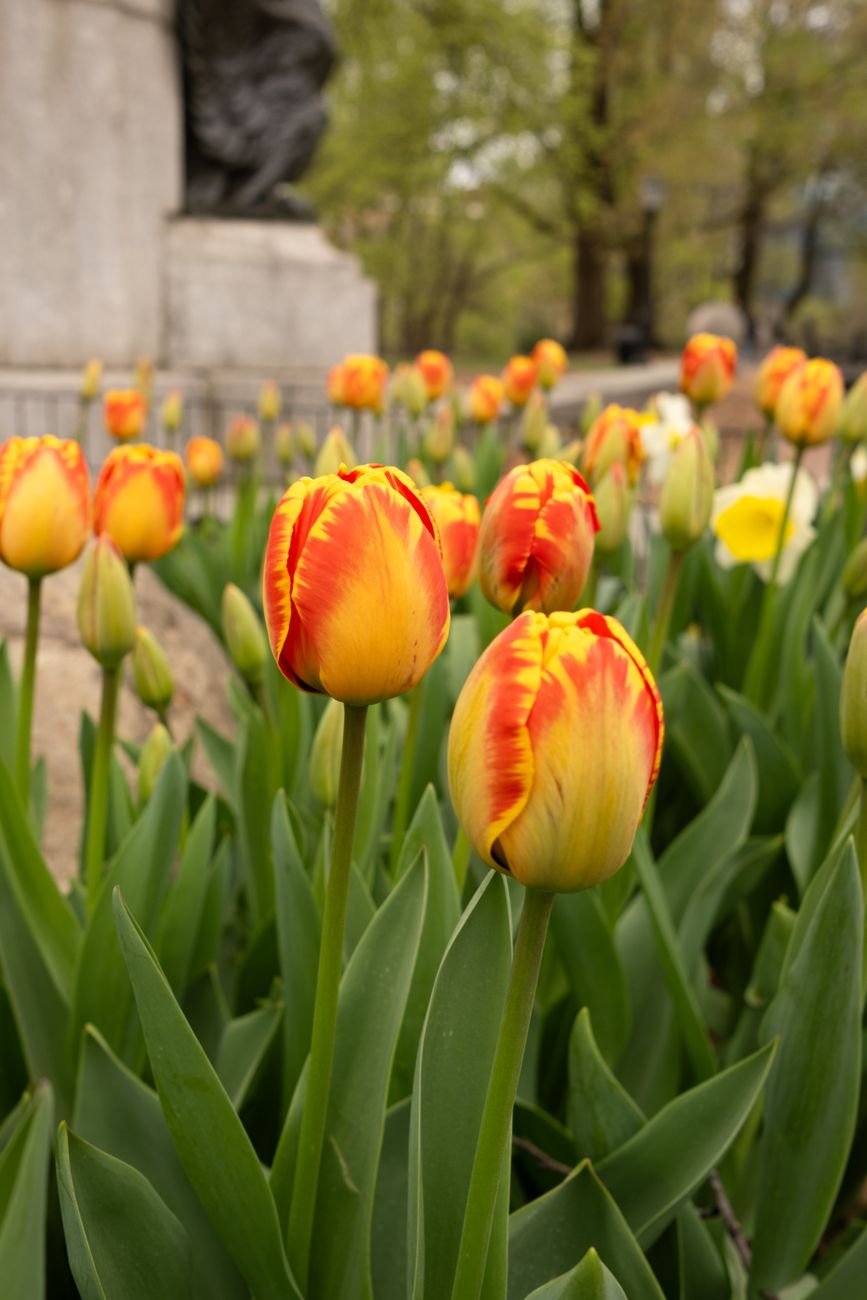
The Boston Public Garden earns its reputation honestly every April, when the swan boats go back into the lagoon after a winter in storage and the tulip beds along the paths get replanted in the kind of aggressive color that looks almost fake against the brownstones on Beacon Street. The swan boats themselves are a low-tech, slightly absurd institution, pedal-powered, decades old in concept, gliding tourists and grandparents in slow loops around a duck pond, and that is exactly the point. Go on a weekday morning if you want the paths mostly to yourself, or accept that weekends mean strollers and engagement photos and a line for the boats. The Make Way for Ducklings statues near the Charles Street gate are a magnet for small children and a decent gauge of how crowded the Garden is about to get. Insider tip: the magnolias just across the street on the Common side bloom slightly before or after the Garden's own trees depending on the year, so if one crowd disappoints, walk fifty yards. It is Beacon Hill adjacent territory, technically its own historic district, and it is free to walk through any day the gates are open.

Magnolias on Commonwealth Avenue
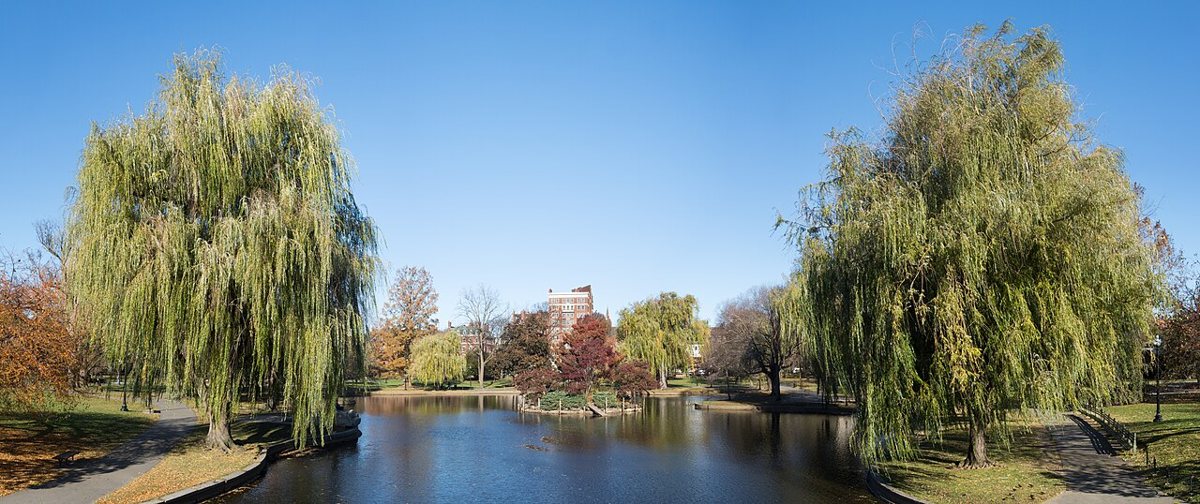
The Commonwealth Avenue Mall, the tree-lined median running through the Back Bay, puts on a magnolia display every spring that locals plan actual walks around, because the bloom window is genuinely short, a week, maybe ten days, weather dependent, and then it's over. The trees run for blocks, underplanted with the same municipal tulips as the Public Garden, with the brownstone facades as a backdrop that no other American city can really claim. A slow walk down the mall in the late afternoon catches the light coming in low. This is not a secret among Boston residents, so expect other people with the same idea and the same phone camera out, especially on the blocks closer to Arlington Street. The tip that actually helps: check a tree or two before you commit to the whole walk, because different blocks bloom on slightly different days depending on sun exposure.

Lilac Sunday at the Arnold Arboretum
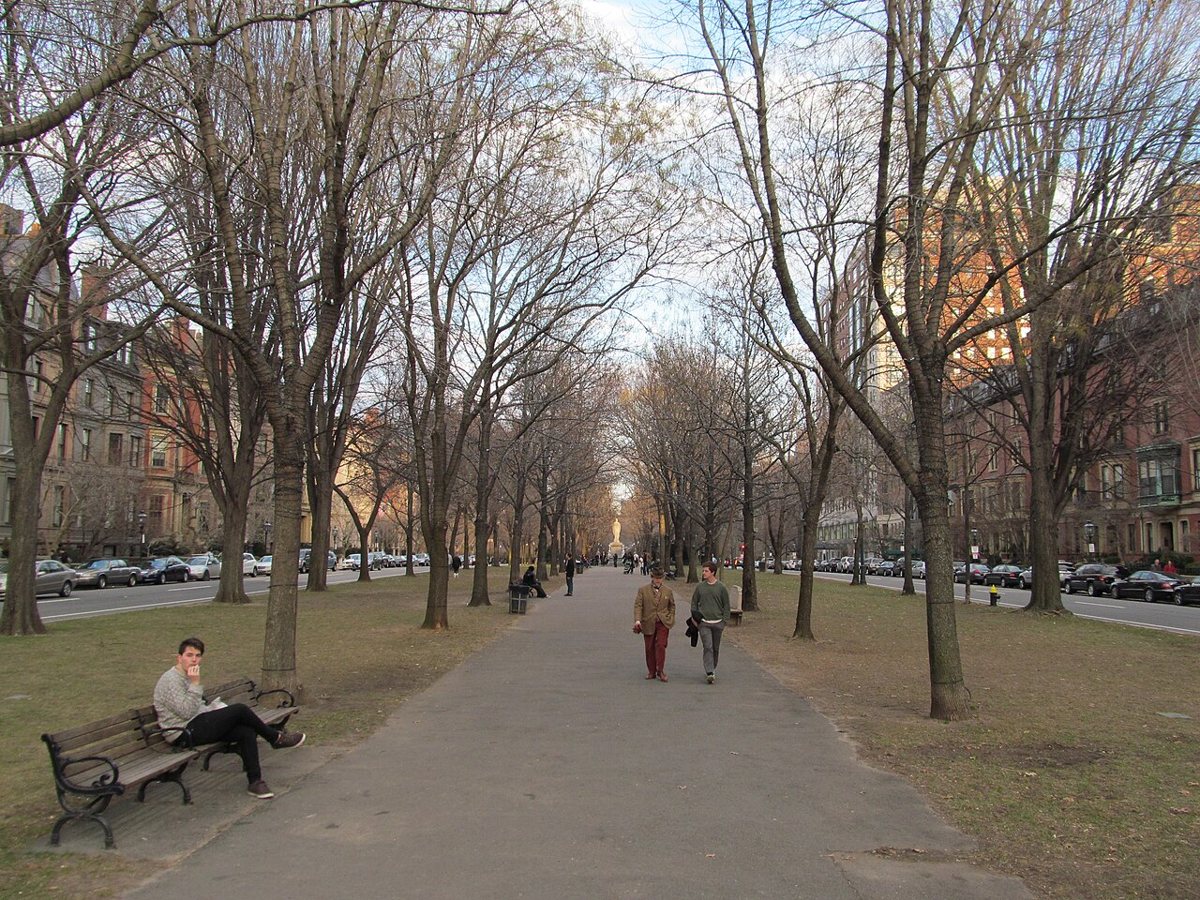
The Arnold Arboretum, in Jamaica Plain and run jointly with Harvard, holds one of the best free spring rituals in the city: Lilac Sunday, which falls in May and turns the arboretum's lilac collection, one of the largest in North America, into a genuine destination, with picnic blankets spread across Bussey Hill and families who have been coming for generations. The rest of the arboretum is worth a visit on any spring day regardless, with its magnolia collection arguably rivaling Comm Ave's and considerably less crowded. This is Jamaica Plain's backyard, and JP treats it that way, proprietary, a little skeptical of outsiders who show up only for the one Sunday and never come back. Bring a blanket, bring food, and walk further than the lilac grove itself; the conifer paths above are where the neighborhood actually goes to get away from the crowd.
The Esplanade Wakes Up
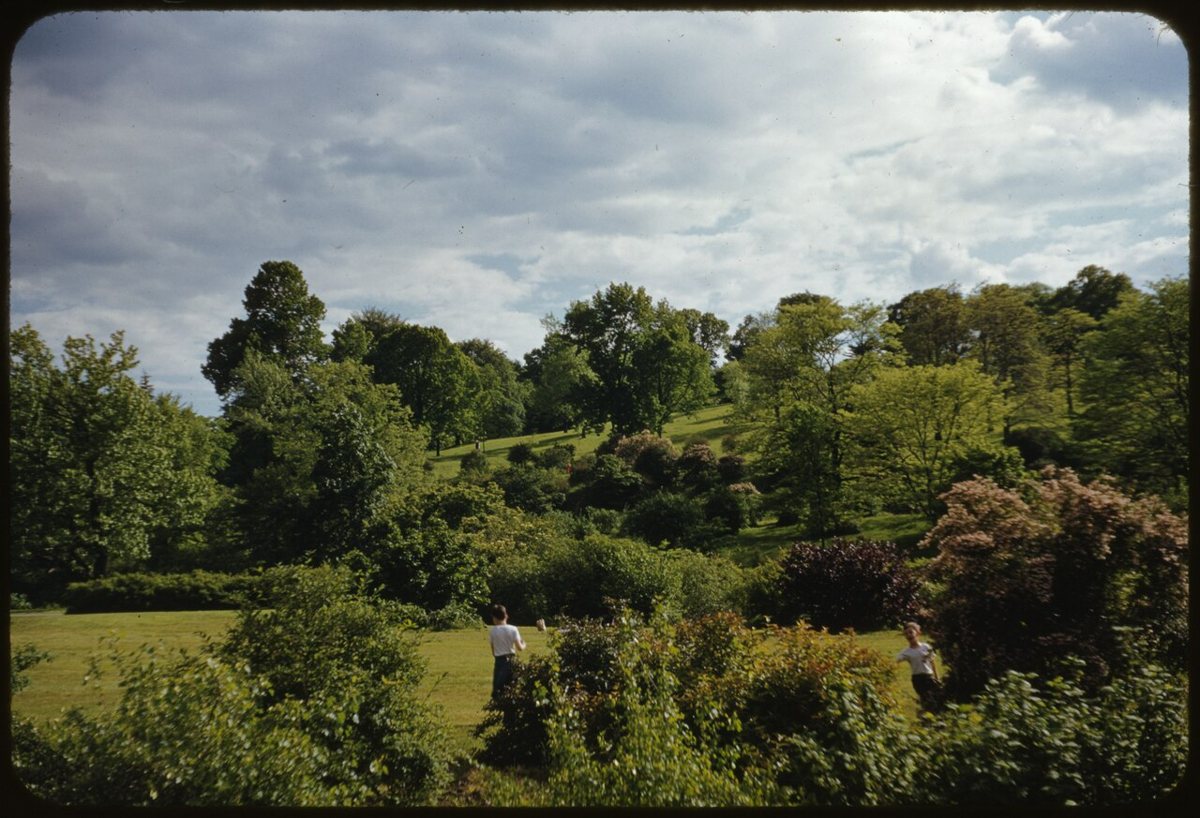
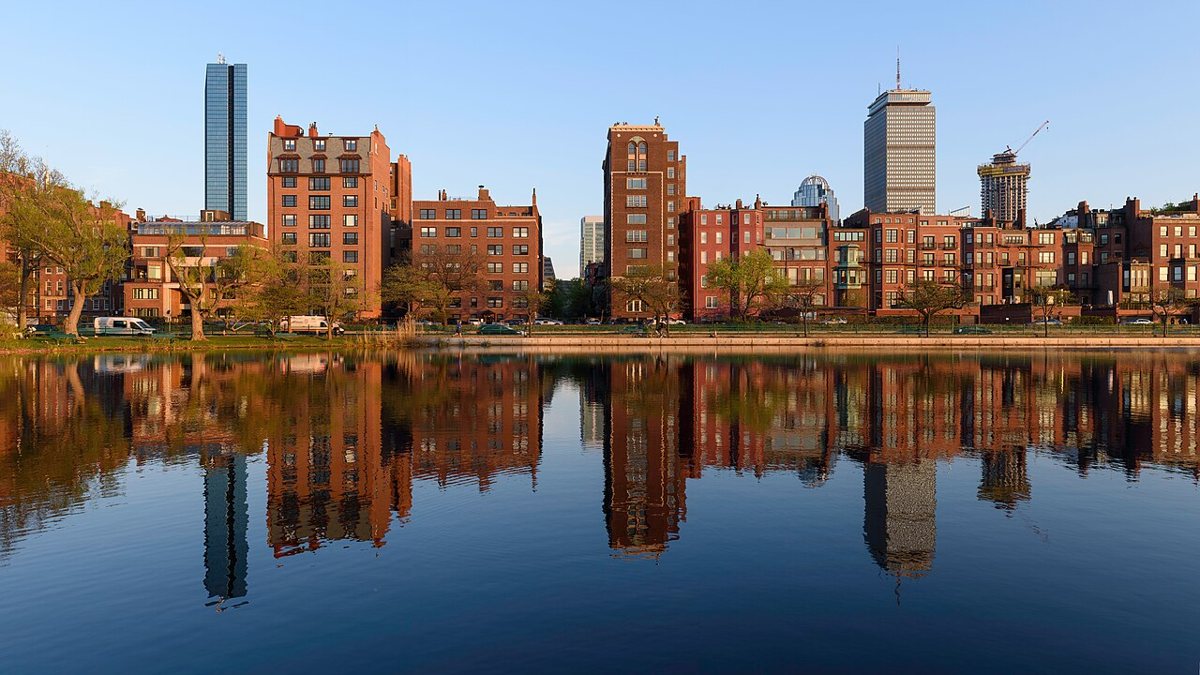
The Charles River Esplanade is the city's shared front yard, and spring is when it stops being a wind tunnel and starts being usable again. Runners, cyclists, people doing tai chi with real commitment, dogs that have clearly been cooped up too long, it all returns at once. The Hatch Shell, the outdoor amphitheater along the river, starts gearing back up for its season of free public events as the weather allows, though exact programming varies year to year and is worth checking closer to the date rather than assuming. The real move in spring is simpler: walk or run the path between the Longfellow Bridge and the BU Bridge on the first genuinely warm weekend and watch the entire city's pent-up energy get released in one afternoon.

Head of the Charles Territory and the Rowing Season
Spring is when the crew teams come back out onto the Charles in force, long before the fall's Head of the Charles regatta, and watching eight-person shells slice across the water at dawn from any of the river's bridges is one of those free, unbothered Boston pleasures nobody advertises. The stretch between the Weeks Footbridge and the Eliot Bridge, closer to Cambridge and Harvard, tends to have the heaviest rowing traffic because of the boathouses clustered there. Walk or bike the Cambridge side of the river for a different, quieter angle than the Boston-side crowds get.
Neighborhoods Worth a Spring Walk
Boston in spring rewards neighborhood wandering more than any single itinerary, because every part of the city handles the thaw differently.
South End Patios and SoWa's Return
The South End, with its dense stretch of restored brownstones and restaurant row along Tremont Street, is where patio culture reopens hardest every spring. Tables appear on sidewalks that were snowbanks weeks earlier, and the neighborhood's restaurant density means you can walk for ten minutes and pass a dozen options. The SoWa Open Market, the neighborhood's open-air market and art walk, typically resumes its outdoor season in spring after a winter indoors, bringing craft vendors, food trucks, and a genuine art-walk crowd back to the SoWa district on weekends. Check current schedules before you go, since exact opening dates shift year to year, but the general pattern holds: as soon as it's viable outdoors, SoWa moves outdoors.
Castle Island Comes Back to Life
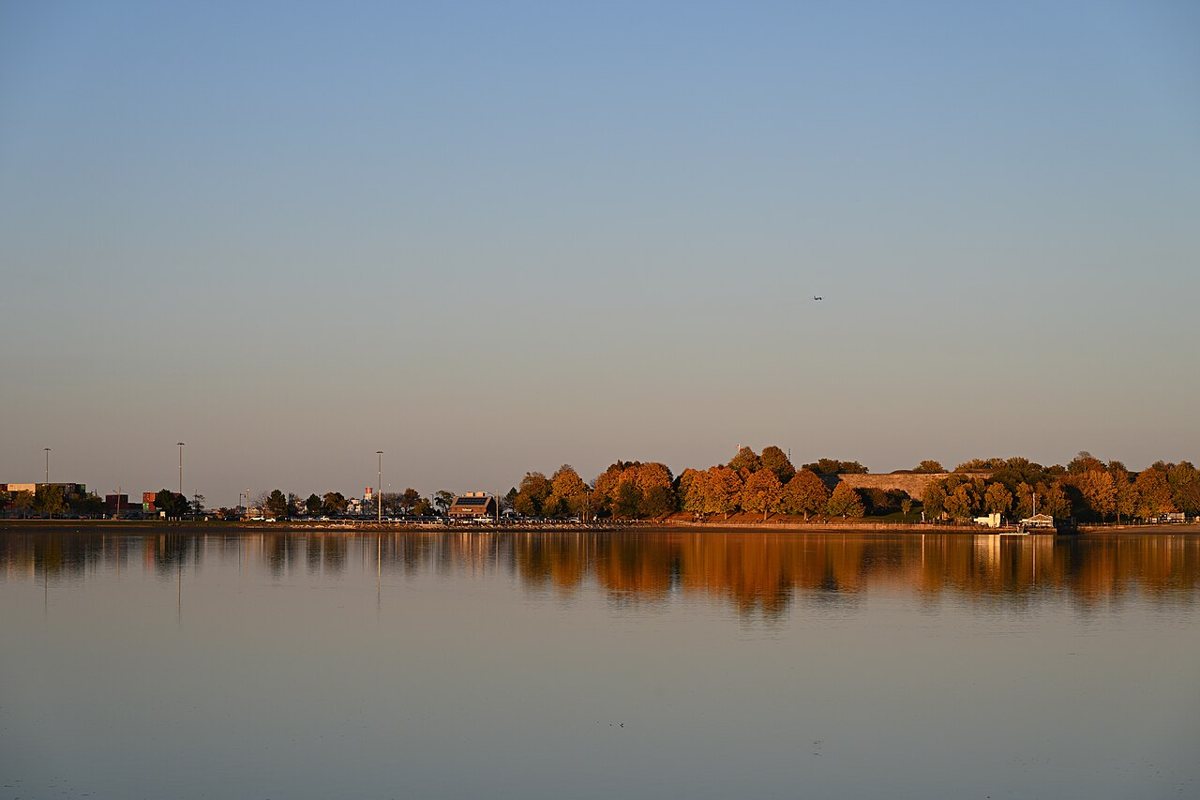
Castle Island in Southie is a genuinely strange and wonderful piece of the city, a historic fort on a spit of land jutting into the harbor, ringed by a walking path that locals use for everything from marathon training to first dates to just standing at the end of it staring at planes landing at Logan across the water. Spring is when it stops being a windswept, empty loop and starts filling back in, with the walking path busy again and the harbor breeze finally pleasant instead of punishing. Southie treats the Island as a birthright, not a tourist stop, and you'll feel that proprietary energy if you go on a weekend afternoon. Take the full loop around the fort rather than cutting back early. The harbor views on the far side are the whole point.

Cambridge and Somerville Wake Up Too
Cambridge, which likes to remind you it is its own city and not a Boston neighborhood, gets its own spring surge around Harvard and MIT as students spill outdoors and the squares fill back up. Somerville's Davis and Union Squares do something similar on a smaller, less academic scale, with the craft beer scene that Somerville and Cambridge have built over the past decade finally moving its overflow crowds outside onto patios and beer gardens. If you want a spring afternoon that has nothing to do with tourist Boston, this is it. Walk Davis Square, get a beer somewhere with outdoor seating, and watch a genuinely different city operate at its own pace.
Culture and Free Things Worth Doing
The Museum of Fine Arts and the Isabella Stewart Gardner Museum
What's inside the Museum of Fine Arts or the Isabella Stewart Gardner Museum doesn't change with the season, but the experience of getting there and leaving does, since both sit close enough to the Fenway area's green space that a museum visit can bracket a walk through the Back Bay Fens without much extra effort. The Gardner Museum's interior courtyard, filled with seasonal plantings that change throughout the year, is worth timing a visit around in spring specifically, since the courtyard's spring display is among the most photographed indoor spaces in the city for good reason. Check current hours before planning a visit, since both museums adjust seasonally.


The Boston Public Library's Courtyard
The Boston Public Library's central branch in Copley Square has an interior courtyard modeled on an Italian palazzo that most visitors to Boston never learn exists, tucked behind the main reading rooms and usually open and free to wander. Spring is when it becomes genuinely pleasant to sit in rather than just architecturally interesting to glance at. It is one of the better quiet, free spring stops in the city precisely because so few people outside Boston know to look for it.
Fenway and the Rivalries That Matter in Spring
Red Sox Opening Day at Fenway Park
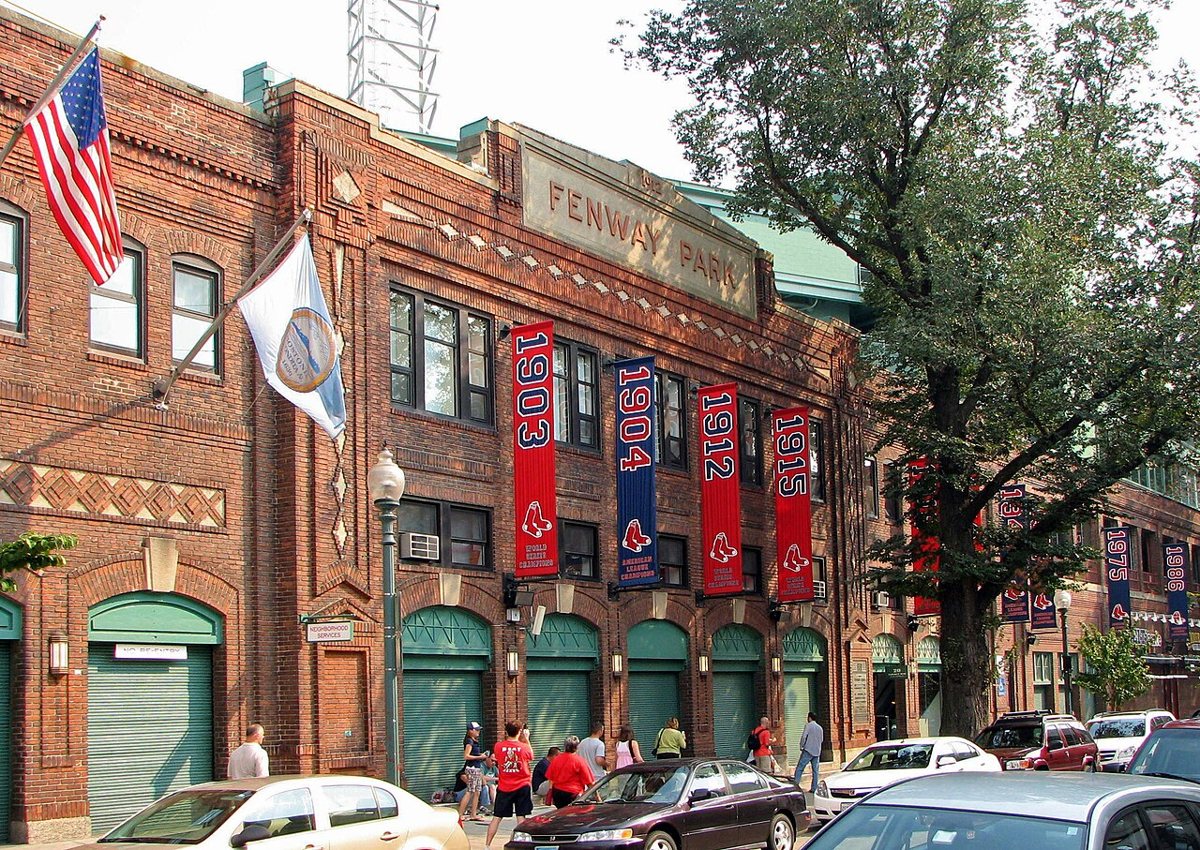
The Red Sox open at Fenway Park in early April most years, and Opening Day at Fenway is as close to a religious observance as this city gets. The ballpark itself, wedged into the Fenway-Kenmore neighborhood since the early twentieth century, fills the surrounding blocks with a game-day energy that starts hours before first pitch. Even outside Opening Day specifically, spring is prime time to catch a game at Fenway before summer humidity sets in, with the Fenway-Kenmore neighborhood's bars and rooftop patios operating at full tilt on any game day. The tip locals actually use: walk the concourse behind the Green Monster seats even if your ticket is elsewhere in the park, and get to Lansdowne Street early if you want a pregame spot without a wait. It is genuinely tribal in a way outsiders underestimate. The loyalty here isn't performative, it's structural to how the neighborhood organizes its calendar.

Spring Food: What to Actually Eat
The North End's Bakeries Are Best Walked, Not Rushed
The North End's Italian bakeries do their best business in spring and early summer, when the neighborhood's narrow streets fill with people willing to stand in line for pastry, and a spring walk through the North End works better than almost any season because the heat hasn't yet made the crowded sidewalks miserable. Skip the obvious main-drag spot if there's a line out the door and duck onto a side street instead. The neighborhood rewards wandering more than any single named bakery does.
Lobster Rolls, Done Correctly
Spring is early season for lobster roll weather, but it's worth saying plainly for anyone new to the region: it should arrive cold, dressed in mayo, not drenched in butter and served hot. The butter-roll version is a Maine thing and a fine one, but it is not what a Boston kitchen means when it says lobster roll. A handful of harborside and market spots around the city do a genuinely correct version, and if you're hunting for it, it's worth reading up on what actually counts as a cold lobster roll before you order somewhere that gets it wrong.
Clam Chowder Has One Correct Form
Chowder here is thick, cream-based, and unapologetic about it. A clear broth version might be a legitimate soup somewhere else in New England, but ordering it in Boston and calling it chowder will get you an argument, not a meal. Most harborside restaurants and plenty of neighborhood spots do a reliable version, and spring, before the outdoor seating crowds peak, is a comfortable time to sit inside with a bowl and not feel rushed.
Dunkin' Runs Are Non-Negotiable
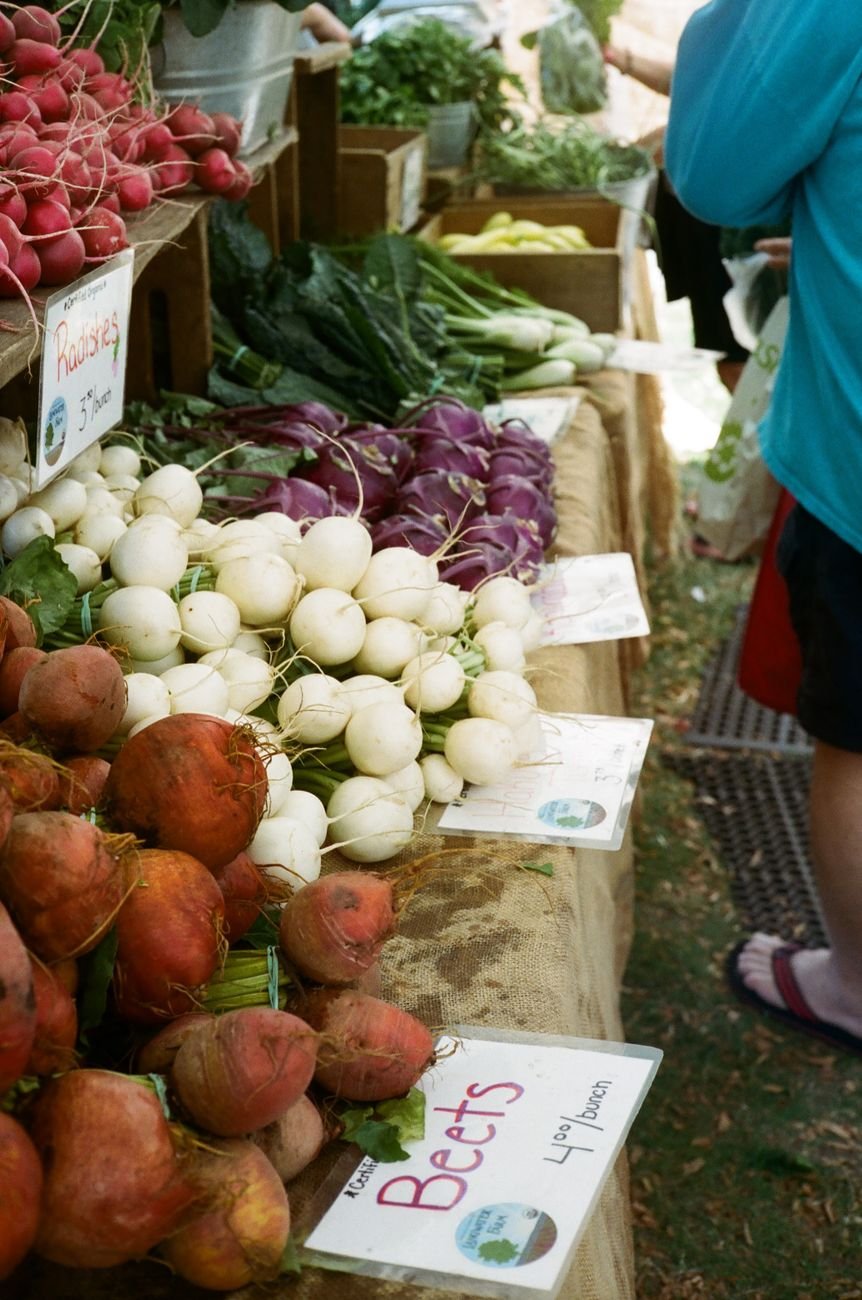
Dunkin' isn't a coffee chain here so much as a civic utility, and the drive-through lines on the first genuinely warm Saturday morning of the year are proof that the whole city treats an iced coffee as the unofficial start of the season. It's worth mentioning if only because visitors sometimes underestimate how seriously this is taken. Ordering a "regular" coffee here means cream and sugar, and getting that wrong marks you as an outsider faster than anything else on this list.
Practical Spring Boston: Weather, the T, and What's Free
- New England spring weather is genuinely unreliable. A sixty-degree afternoon can be followed by a raw, windy morning two days later, so layer and carry a light rain shell rather than trusting any single forecast.
- The MBTA, universally called the T, is generally the easiest way to reach the Public Garden, Fenway, the North End, and the South End without dealing with parking, though service and schedules shift periodically, so check current MBTA service alerts before relying on a specific line.
- Much of the best spring activity in this guide is free or close to it: the Public Garden, the Commonwealth Avenue Mall, the Arnold Arboretum, the Esplanade, Castle Island, the Boston Public Library courtyard, and watching crew teams row the Charles all cost nothing beyond getting there.
- Museum and attraction hours shift seasonally, so it's worth checking current hours directly before building a day around any single stop.
- Patio and outdoor seating availability at restaurants in the South End, Somerville, and Cambridge depends heavily on weather even in peak spring, so having an indoor backup plan isn't overcautious, it's just realistic for this climate.
The Bottom Line on Spring in Boston
In Boston, spring is a negotiation, not a guarantee. The city doesn't ease into it the way places with gentler climates do. It holds out, stays gray and stubborn past the point of reason, and then flips almost overnight into magnolias and swan boats and a ballpark full of people who have been waiting since October. The smart move isn't picking one perfect weekend and hoping the weather cooperates. It's treating every clear, mild day between April and June as the day, because you genuinely do not know how many more you're going to get before summer's heat and crowds change the character of all of this. Go to the Arboretum before Lilac Sunday gets crowded. Walk Comm Ave the day the buds look ready, not the day after. This city rewards people who show up when it finally does.