Best Parks in Boston: A Local's Guide
Boston's parks aren't decoration around the buildings, they're where the city actually happens, and a local's list has to include the ones nobody puts on a postcard.
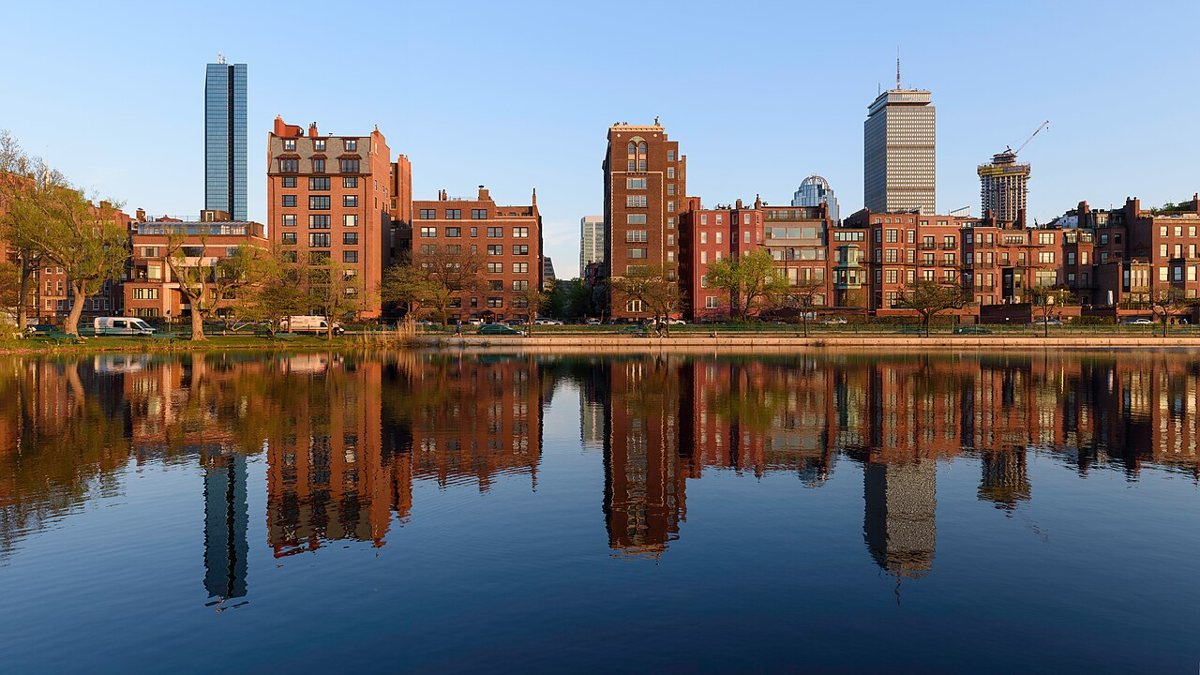

Six-thirty on a Tuesday morning in July, the fog hasn't burned off Jamaica Pond yet and there's already a line at the boathouse for the rowboats, mostly retirees who've been doing this loop since the Carter administration. A guy in a Bruins cap is fishing off the dock even though everyone knows you're not supposed to eat what comes out of there. A woman does tai chi on the grass without a mat. Nobody is filming any of this for anyone, and that is the point: the best parks in Boston are the ones that work like this at an hour with no audience. That's the tell for whether a green space in this city is actually loved or just photographed: does it work at 6:30 a.m. on a Tuesday when there's no one to perform for. That distinction matters, because this is a city with an unusual amount of real, functioning park space, not just lawns between monuments, and the good ones earn their keep every single day.
What follows is organized the way someone who's lived here would actually think about it: the Emerald Necklace chain that strings the city together, the downtown greens everyone starts with, the waterfront, and then the neighborhood spots that don't make the tourist lists but should. Along the way, a note on a good local coffee shop or two near a couple of these, because a park walk in this climate usually starts or ends with a cup of something.
The Emerald Necklace: The Spine of the Best Parks in Boston
Frederick Law Olmsted designed a chain of connected green space running from the Common down through the Fens, Olmsted Park, Jamaica Pond, and into the Arnold Arboretum and Franklin Park, and the fact that it still mostly works as a continuous system a century and change later says something about how the city was built before cars took over the conversation. You can walk or bike most of it in an afternoon. Few visitors do. Fewer locals do the whole thing either, honestly, but everyone has their favorite link in the chain.
The Back Bay Fens
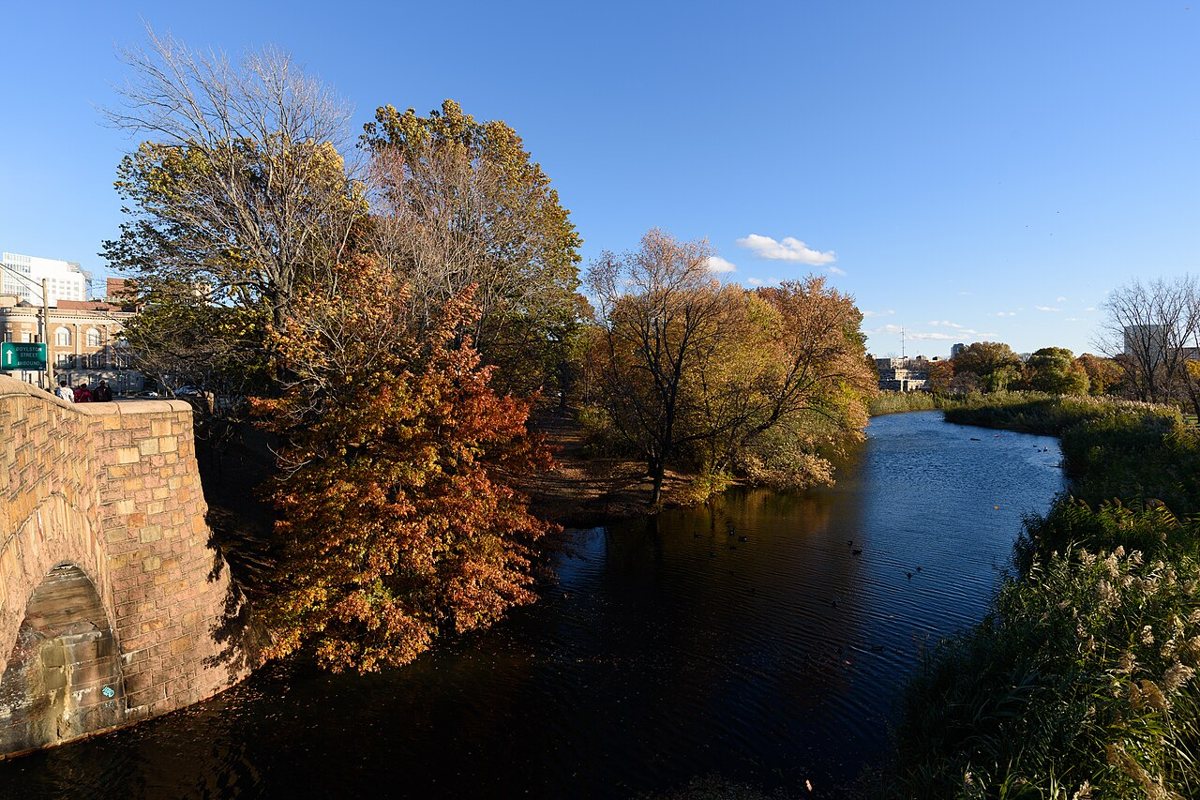
The Fens gets treated as an afterthought next to the Common, which is a mistake. This is a working landscape: community garden plots that predate victory gardens and are still tended by families with decades-long waiting lists, a winding path along the Muddy River, plus enough reeds and marsh grass that it feels genuinely wild in patches, ten minutes from Kenmore Square. Come for the Fenway Victory Gardens in June when everything's blooming, stay to sit near the rose garden by the Forsyth entrance, and if you're near Fenway Park on a game day, cutting through the Fens is a smarter approach than fighting the crowds on Brookline Ave. A local move: the paths get quiet and a little sketchy after dark near the underpasses, so plan Fens visits for daylight.

Jamaica Pond
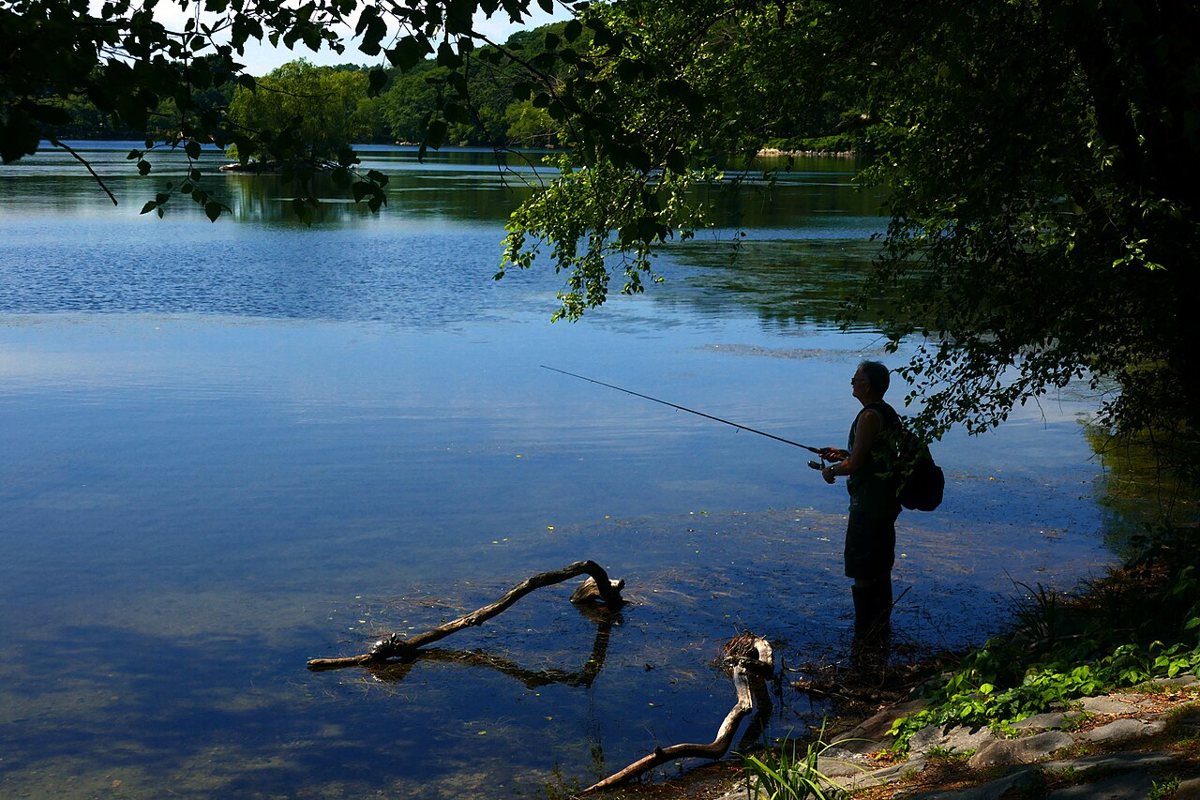
The pond is a kettle hole left by a glacier, which is a strange thing to know about a place where you can rent a sailboat on a Saturday afternoon. The 1.5-mile loop around it is flat and paved, busy with runners and stroller brigades and dog walkers from six in the morning until well after dark, since it's lit the whole way around. The boathouse rents rowboats and sailboats seasonally at low, evergreen prices, and there's a small dock where people fish for stocked trout every spring. Locals do the loop as a matter of routine, not a special occasion, which is exactly the point. Worth knowing: the bench-lined section on the western side, away from the boathouse, is where you go if you actually want quiet.

Olmsted Park
The connector nobody talks about, running between Jamaica Pond and the Riverway, with Leverett Pond and Ward's Pond tucked into it like something out of a different, quieter town. It's narrow and easy to miss if you're driving the Jamaicaway, but on foot it's one continuous shaded corridor. Good for a short loop when Jamaica Pond feels crowded.
Arnold Arboretum
Run by Harvard, open to everyone, and free every day of the year, the Arboretum is 281 acres of collected trees on hills that give you one of the better unofficial skyline views in the city from the top of Peters Hill. Lilac Sunday in May draws a legitimate crowd, but any weekday the rest of the year you'll have long stretches of path to yourself among specimen trees collected from all over the world for a century and a half. Bikes are allowed on the main roads through the grounds, which makes it one of the few arboretums anywhere you can actually cover on two wheels. One tip: park near the Centre Street gate rather than the main South Street entrance and you'll beat the weekend crowd to the good hills.
Franklin Park
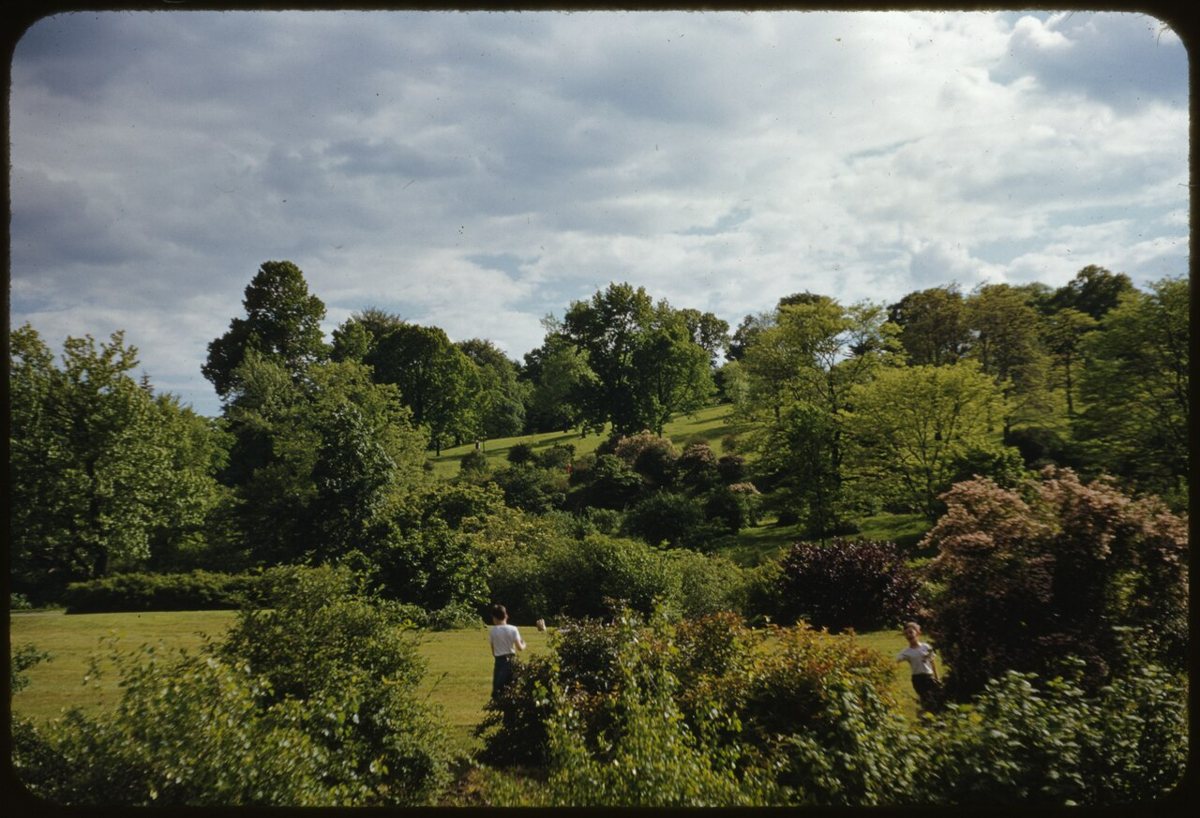
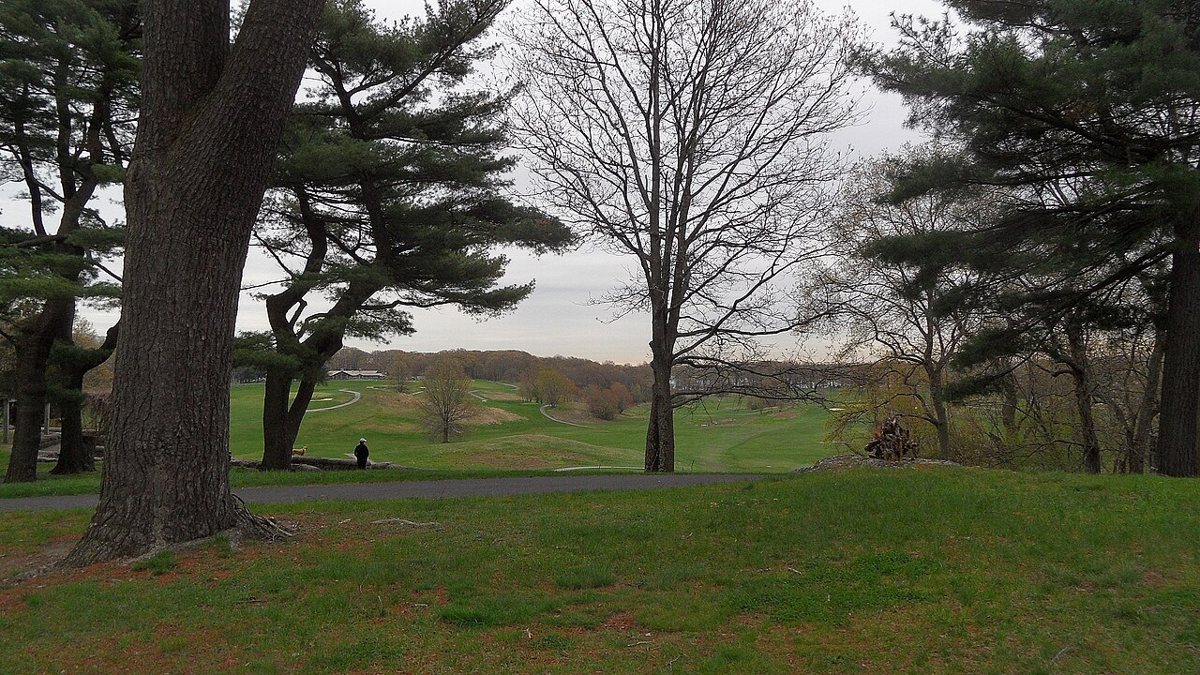
The biggest of Olmsted's Boston projects and the most underrated, full stop. Franklin Park has a public golf course, the zoo, cross-country trails used by high school teams from half the city, and enough open meadow (the Playstead) to run a soccer league without anyone tripping over anyone else. It has had a rougher reputation than it deserves for years, mostly outdated, and the city has poured real money into renovating it recently. Go on a Saturday when a men's league soccer match is underway on the Playstead and you'll see Boston's actual demographics in a way the tourist neighborhoods don't show you. Do this: the Wilderness section, on the park's western side, has some of the closest thing to real forest hiking inside city limits.

Downtown and the Public Gardens: Where Everyone Starts
These are the parks that show up in every guidebook, and they earn it, but a local knows how to use them without acting like a tourist.
Boston Common
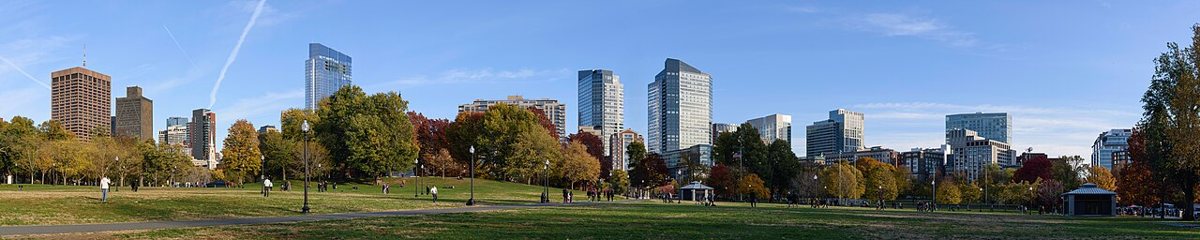
Any conversation about the best parks in Boston has to start here, because it's the oldest public park in the country and it still functions as the city's actual living room, not a museum piece. In summer there's Frog Pond wading and free concerts; in winter, the pond becomes an ice rink with skate rentals. It's also where protests and farmers markets and food trucks and softball games all happen within shouting distance of each other most weekends. Skip the horse-drawn carriages lined up on Charles Street unless you enjoy being overcharged for something you can do on foot in fifteen minutes.

The Public Garden
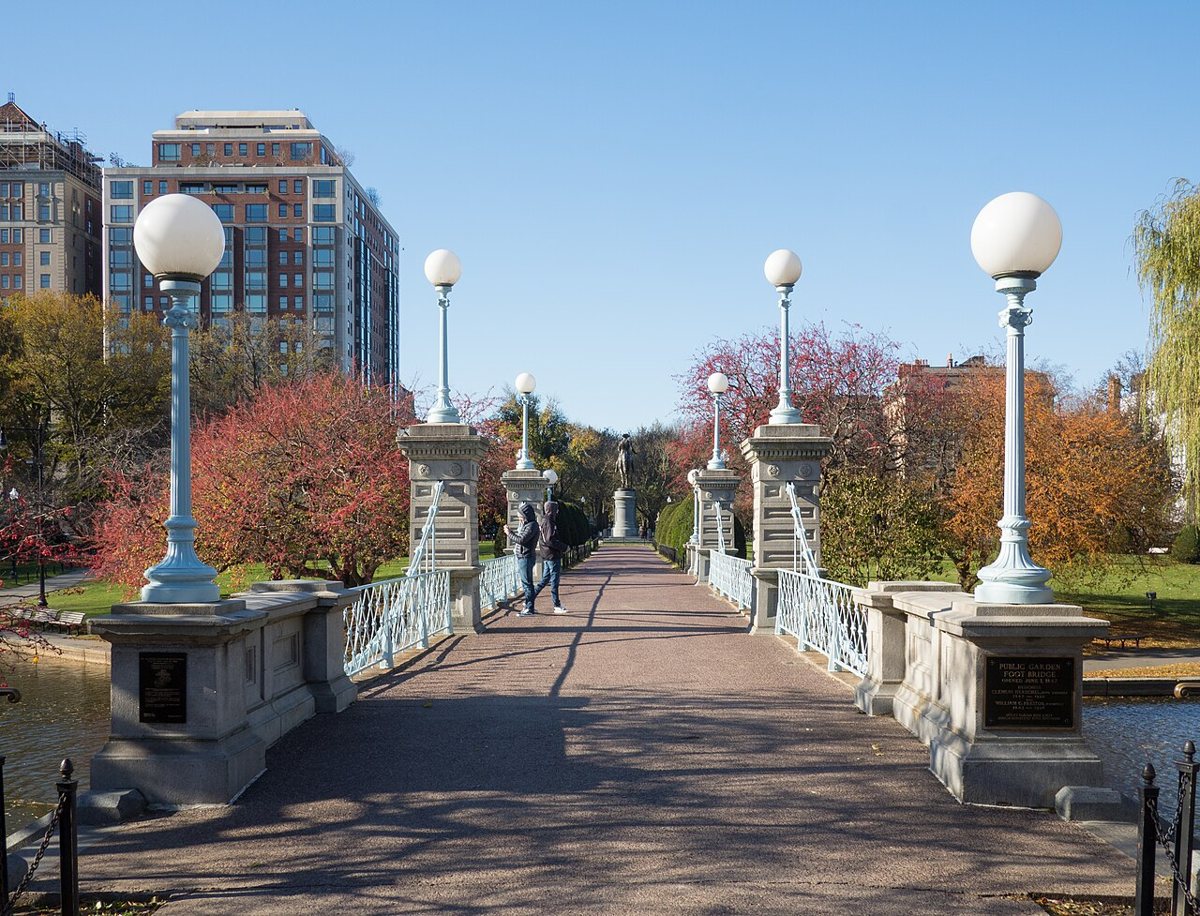
Adjacent to the Common but a different animal entirely, formal where the Common is scrappy. The swan boats have been running since 1877 and are worth the short ride once, especially with kids, even if the line looks silly. The real draw for a lot of locals is just the flower beds, which the Parks Department turns over seasonally, and the Make Way for Ducklings bronze statues that generations of Boston kids have climbed on for their first photo. Cross the little suspension bridge over the lagoon at dusk when the willows are lit and you'll understand why this patch of land is worth more per square foot than most of downtown.

The Rose Kennedy Greenway
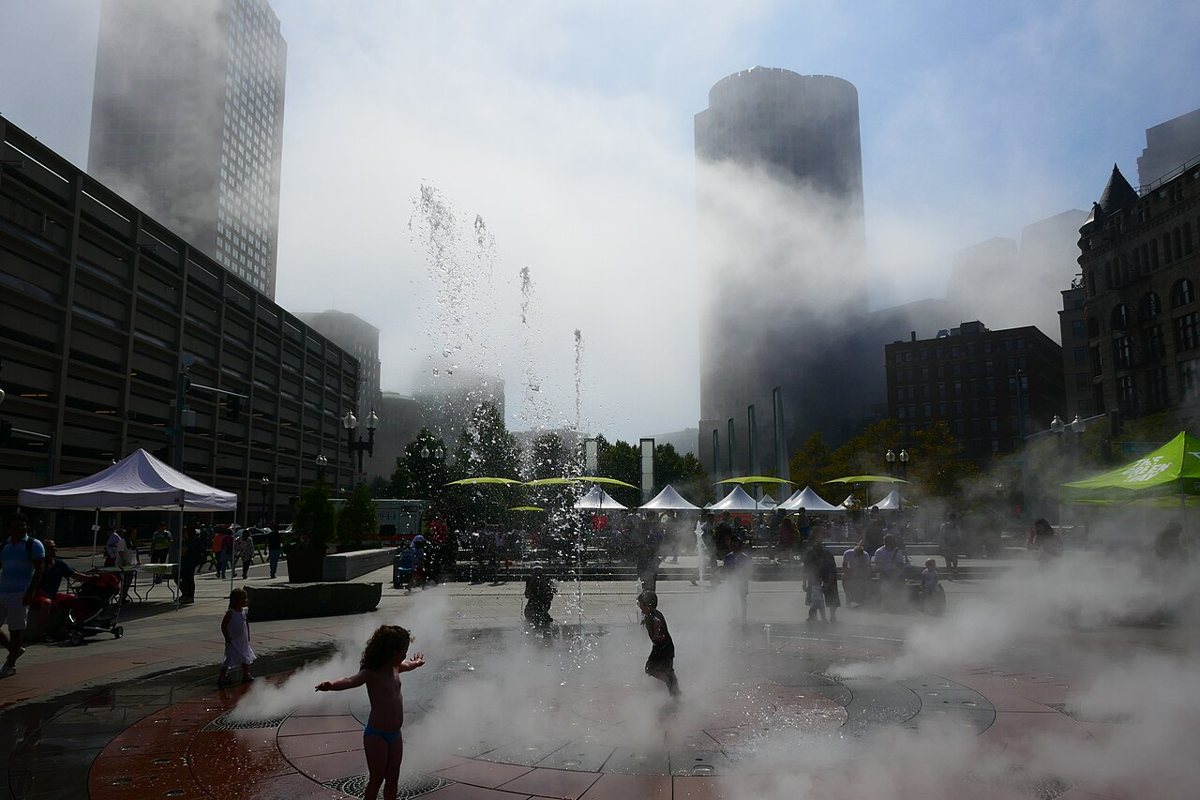
Built on top of where the old Central Artery used to choke off the North End and downtown from each other, the Greenway is still finding its full identity two decades in, but it works. There's a carousel with Boston-specific creatures instead of horses, a rotating public art program, food trucks clustered near Dewey Square at lunchtime, and a fountain kids run through all summer near the North End. It's less a destination park than connective tissue, and that's fine. Use it to walk between the North End and the Seaport without dealing with traffic.

The Water: Esplanade, Harbor, and Castle Island
Boston's relationship with its water took decades to fix and the payoff shows in these three spots.
The Charles River Esplanade
The Esplanade is where Boston goes to pretend it's more athletic than it is, and also where it actually becomes more athletic, since enough repetition of that lie turns into truth. The Hatch Shell anchors the whole stretch and still hosts the Fourth of July concert and free movie nights in summer, evergreen Boston traditions even if specific dates change year to year. The paved path along the river is packed with runners and cyclists from Back Bay out toward BU and beyond, with sailboats from the community boating program cutting across the water all summer. Cross over to the Cambridge side on one of the footbridges for a different angle on the skyline that most tourists never bother to find. Small thing: the grassy stretch just west of the Hatch Shell is where locals actually lay out blankets, since the area right in front gets reserved for events.

Christopher Columbus Waterfront Park
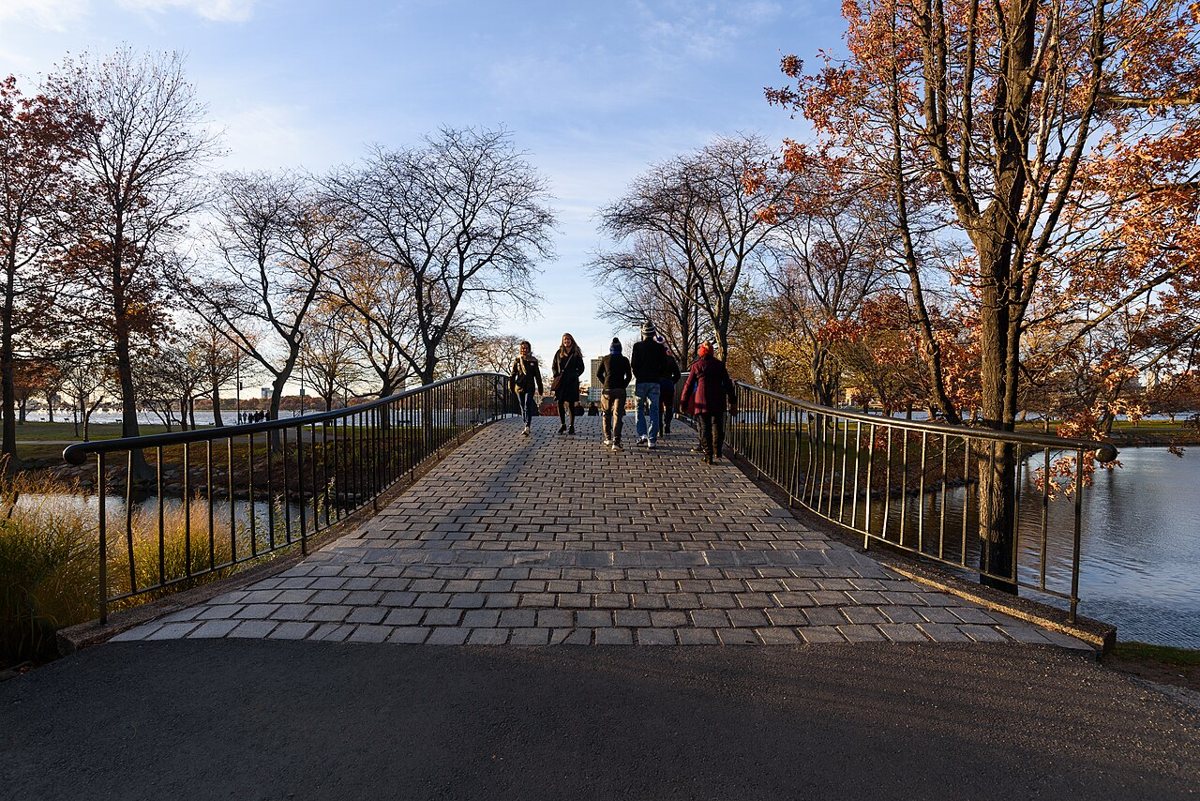
A small, often-overlooked strip along the harbor between the North End and the Aquarium, with a trellis walkway of wisteria that blooms hard for about two weeks every spring and is worth timing a visit around if you can. It's a good place to sit with something from a North End bakery and watch the harbor traffic, and it connects easily into the Harborwalk if you want to keep going.
Castle Island and Fort Independence
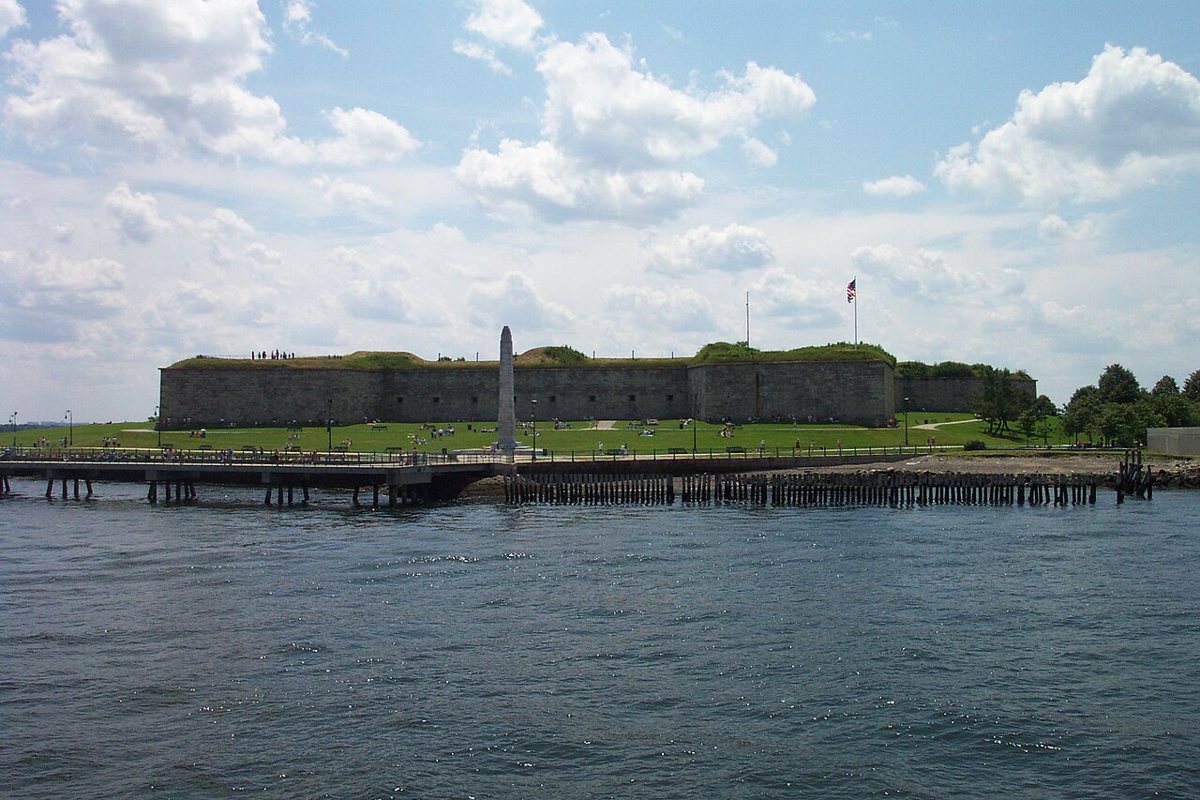
South Boston's Castle Island isn't actually an island anymore, connected to the mainland by landfill decades ago, but it functions like a peninsula escape from the rest of the city. Fort Independence, the granite fortification at its center, dates back to a string of forts on the site going to the 1600s, and it's open for free tours seasonally. The real draw for most locals is the walking loop with harbor and plane-watching views toward Logan, plus a stop at Sullivan's, the seasonal clam shack by the entrance that's been feeding this neighborhood fried food and soft serve for generations. Go at sunset. Insider tip: parking fills fast on summer weekends, so this is a better bet on a weekday evening.

Neighborhood Parks Locals Actually Use
The following don't get magazine spreads, and that's precisely their appeal. They're where actual Bostonians spend actual Saturdays.
Peters Park
A compact South End green space that punches above its size, with a dog park that functions as an unofficial neighborhood social club, a skate park that draws kids from well outside the South End, and a farmers market presence in warmer months. It's flanked by some of the neighborhood's better restaurants, so it works as a bookend to dinner.
Southwest Corridor Park
A four-and-a-half-mile linear park built over the Orange Line where it runs underground between Back Bay and Forest Hills, threading through the South End, Roxbury, and Jamaica Plain. It has basketball courts, community gardens, playgrounds, and a bike path that functions as a genuine commuter corridor, not just a recreational nicety. It's one of the more honest cross-sections of the city you'll find on a single path, since it touches so many different neighborhoods back to back.

Millennium Park
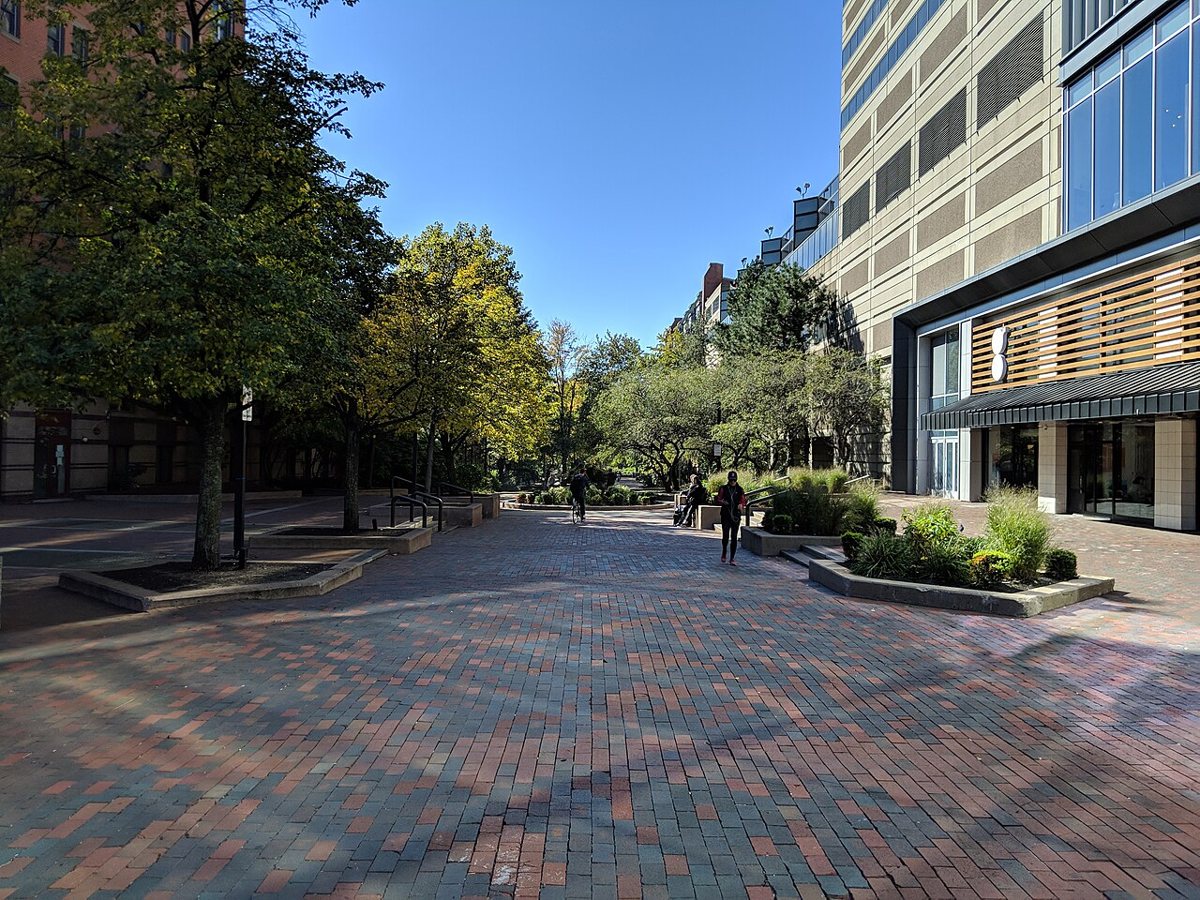
West Roxbury's answer to the fact that not every good park needs to be old or famous. Built on a former landfill, which the city doesn't hide from and honestly plays up as an environmental success story, it has soccer and softball fields, a boat ramp onto the Charles, and some of the better sunset views over the river you'll find anywhere in the city, largely because almost no one from outside West Roxbury bothers to go.
Crossing the River: Cambridge and Somerville
Cambridge is its own city and Somerville will tell you the same thing without being asked twice, but both are close enough, and their parks good enough, that a serious guide to the best parks in Boston's orbit has to include them.
Danehy Park
Another former landfill turned into genuinely excellent recreational space, Danehy has sports fields, walking loops, a skate park, and sledding hills that draw families from across Cambridge and Somerville the second there's snow on the ground. It's less scenic than the Charles River parks and more purely functional, which is fine, because functional is what a lot of neighborhoods actually need.
The Case for Actually Using All of Them
The instinct with a list like this is to crown one winner, and that instinct should be resisted, because the whole point of Boston's park system is that it isn't one park, it's a network built specifically so that no matter which of these neighborhoods you're standing in, something green and unmonetized is a short walk away. The Common gets the tourists and deserves some of that attention. Franklin Park and Millennium Park get almost none of it and deserve more than they get. The honest advice, from someone who's walked most of this list more times than is reasonable, is to stop treating parks as a checklist of sights and start treating them as the errand: the actual reason to leave the house on a Saturday, not the scenery on the way to something else. Bring a book to Jamaica Pond instead of your phone. Take the long way through the Fens instead of the direct route to the game. The city built this network on purpose, over a century, at real expense, precisely so people would use it that way, and it still holds up. For more of that same instinct applied elsewhere in the city, there's a broader list of things to do around town that follows the same logic: skip the performance, do the thing.