Things to Do in Boston Locals Recommend
Locals know Boston best — and they're not sending you to the Freedom Trail.
On a Tuesday morning in late September, the Head of the Charles course markers go up along the river banks and every JP coffee shop fills with coaches in fleeces clutching paper cups. That's the week the city snaps back into itself, students settled, summer tourists gone, and Bostonians briefly proud of the place again. The things to do in boston that actually matter to people who live here rarely make the rack cards at Logan. They're a neighborhood food counter that's been there forty years, a museum collection that rewards a third visit more than a first, a park that functions differently for the person coming from the South End versus the one coming from Roxbury. This guide is for that version of Boston.
The Best Things to Do in Boston, by Neighborhood
The Fens and the Museum Mile
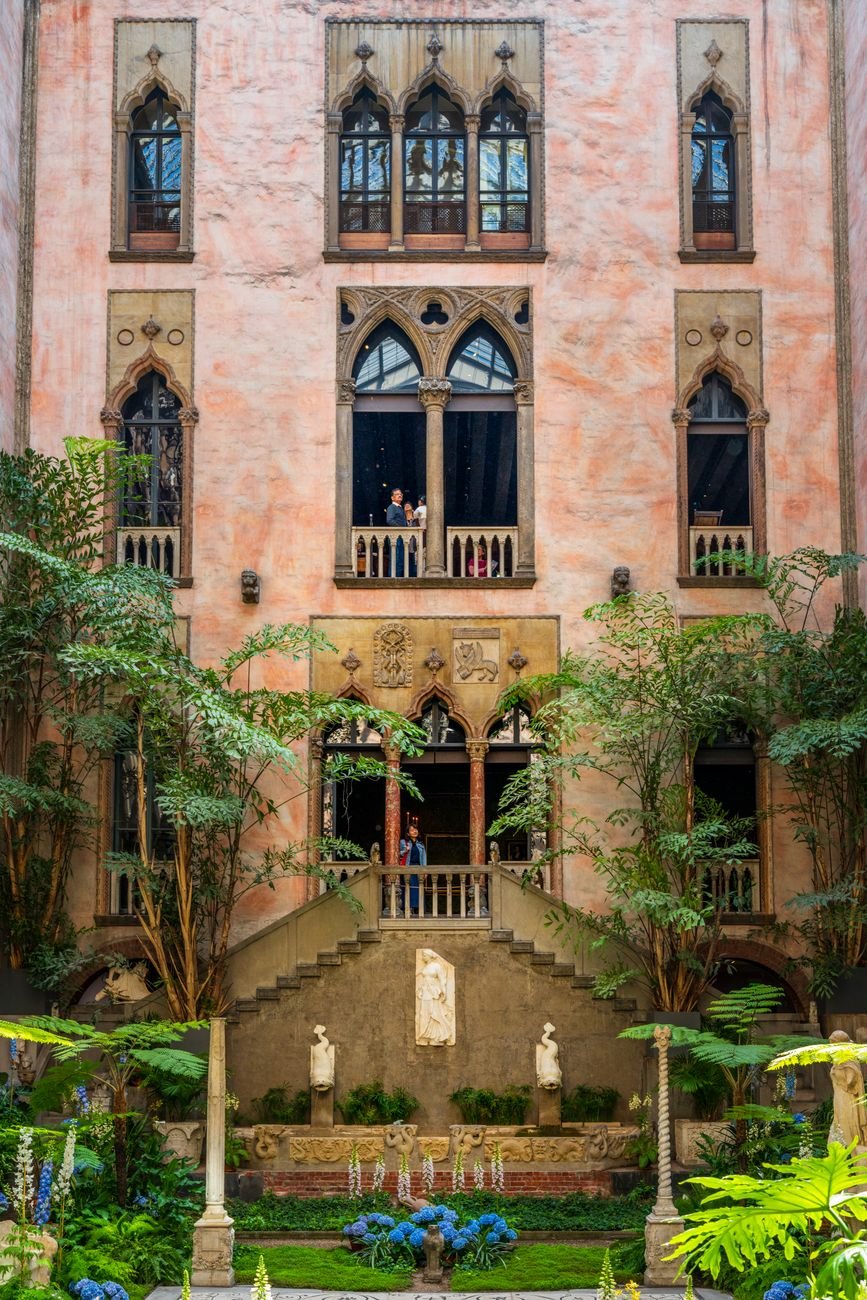
The Isabella Stewart Gardner Museum is the non-negotiable. Gardner built the place as a Venetian palace, filled it with a collection that spans Titian, Rembrandt, Vermeer, and Sargent, then legally required that nothing ever be rearranged after her death in 1924. That rule holds. Frames hang empty where the Vermeer and the Rembrandts were stolen in 1990, the largest unsolved art theft in history, and the museum leaves them that way. The effect is genuinely eerie. The interior courtyard, planted with seasonal flowers and open to the upper-floor galleries, is one of the most quietly beautiful spaces in the city. Go on a weekday when the light is right. The new Renzo Piano wing is worth a look for the architecture alone, and the café is better than it has to be.
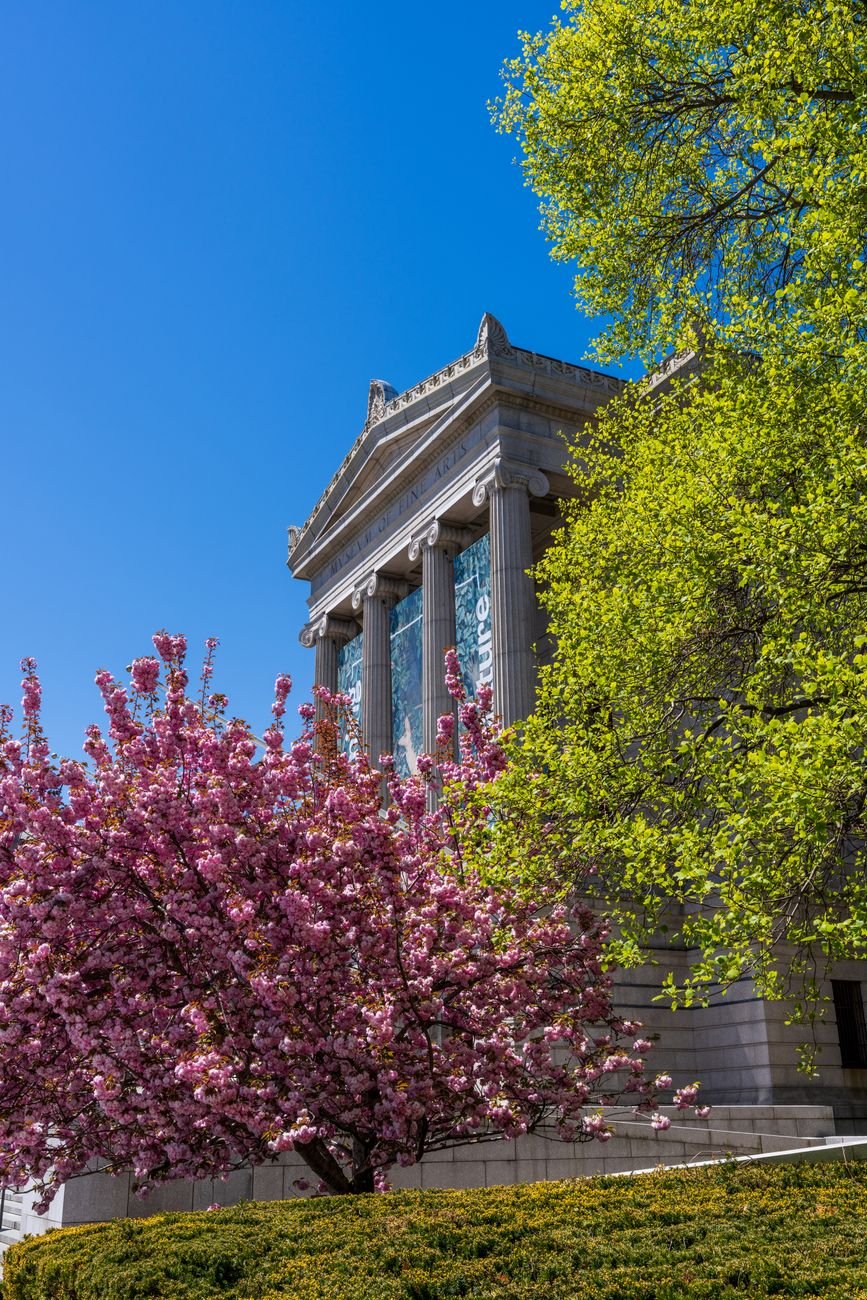
Down the Avenue of the Arts, the Museum of Fine Arts is large enough to absorb a half-dozen visits without repeating yourself. The American wing is underrated, the colonial portraits and early Federal furniture hold up as well as anything in the European galleries, and the collection of John Singer Sargent murals in the Rotunda is one of the more staggering things most people walk past without stopping. If you're in town with any kind of regularity, a membership pays for itself in two visits and gets you in for free on the way back from a game. The MFA also runs a strong film program and, in summer, a free Friday evening concert series on the lawn that draws a genuinely mixed crowd from Fenway to Roxbury.
Fenway Park
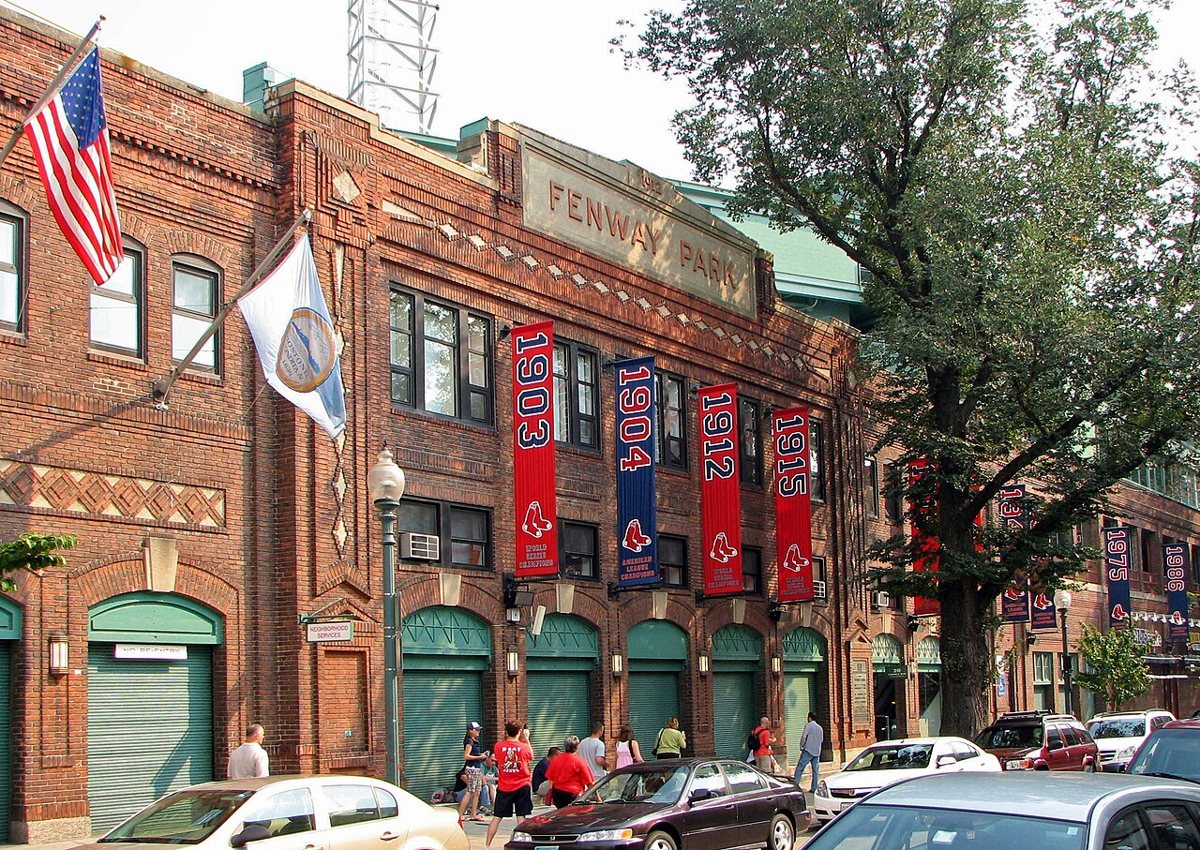
Fenway is over a hundred years old, the smallest park in the major leagues by capacity, and genuinely uncomfortable in a way that requires no apology. The sightlines from the upper grandstand are odd; the seats face a direction that made sense in 1912; Lansdowne Street is directly behind left field in a way that would never be permitted today. None of this matters. On a night when the Sox have a lead going into the seventh and the crowd on Yawkey Way, sorry, Jersey Street, has been at it since before first pitch, there is nowhere better. Locals know to get there early, not for batting practice but because the neighborhood fills up and parking is a lost cause. Take the Green Line to Kenmore. The bleachers in right field are the cheapest seats and, counterintuitively, often the loudest. Insider detail: the Monster Seats atop the Green Monster have a long waitlist, but day-of standing room tickets go fast online and put you in the ballpark legally for significantly less.

Jamaica Plain
The Arnold Arboretum gets overlooked because it's administered by Harvard and located at the end of the Orange Line, but it functions as the best park in the city for people who actually use parks. The 281-acre landscape was designed by Frederick Law Olmsted as part of his Emerald Necklace system, and the collection of trees, including specimens over 150 years old, is one of the oldest living scientific tree collections in North America. Lilac Sunday in May brings the one seasonal crowd, but the rest of the year the place is largely empty by Boston standards. The bonsai collection in the Larz Anderson Bonsai Collection building is unexpectedly engrossing. Take the Orange Line to Forest Hills and walk in from the South Street gate.
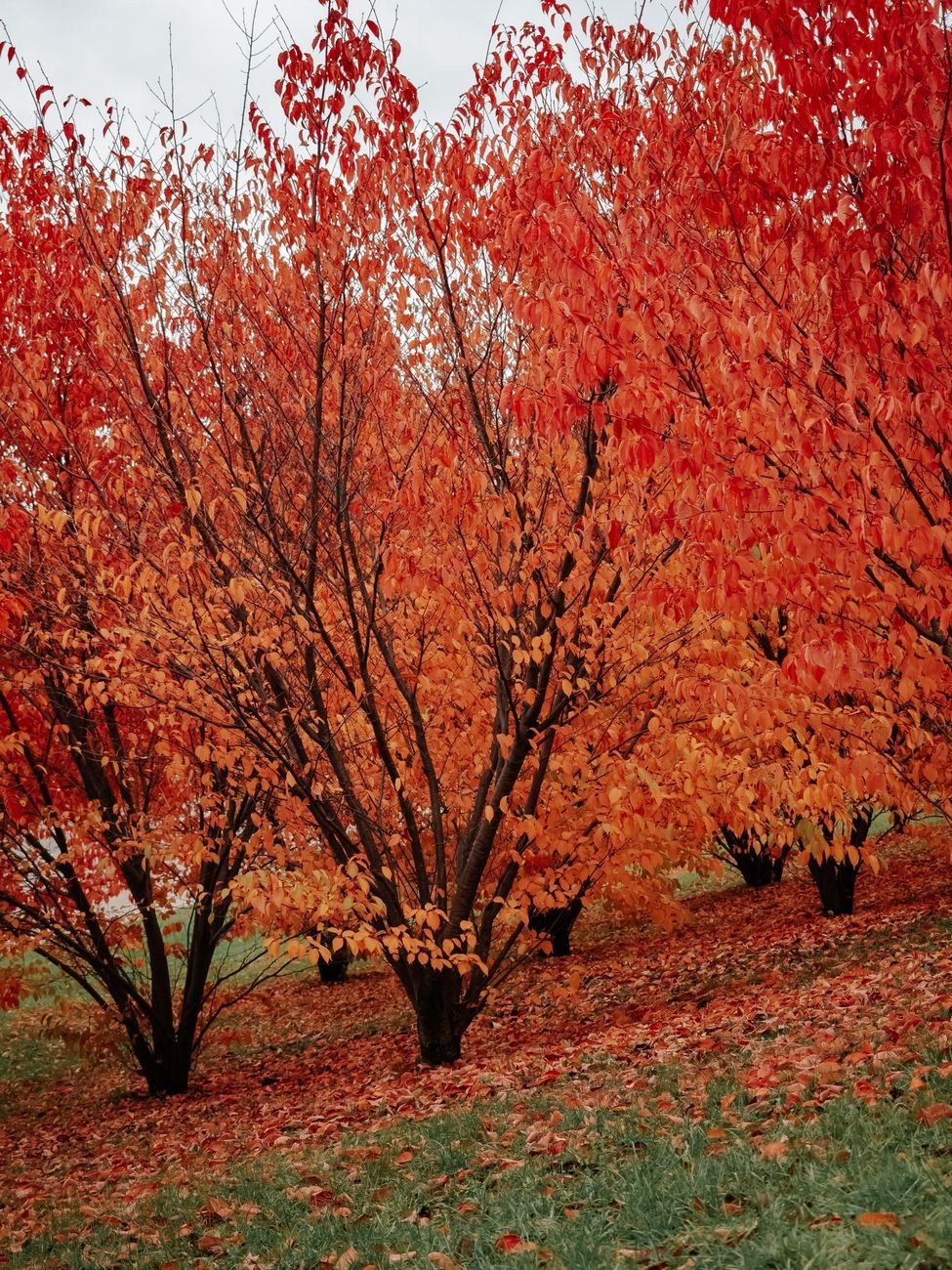
Jamaica Plain's Centre Street is the closest thing Boston has to a main street where actual neighborhood life still happens. The Brewery Complex on the old Haffenreffer site anchors the south end of the strip and houses a rotating mix of food, maker, and taproom tenants. The stretch north toward the pond has the local bars, the bookstore, the music venue (the Midway Cafe anchors the local scene), and enough sidewalk foot traffic on a Friday evening to feel like a neighborhood that hasn't entirely been swallowed by development. JP consistently ranks as one of the most livable neighborhoods for a reason that has less to do with real estate and more to do with the fact that people still walk to things.
The South End
Tremont Street between East Berkeley and Massachusetts Avenue is where Boston actually eats, and has been for thirty years. The South End restaurant row is one of the densest concentrations of serious cooking in New England, without the tourist pricing of the North End or the expense-account remove of the Back Bay. Myers + Chang anchors the east end of the corridor and has been doing it reliably for years. Toro, Ken Oringer and Jamie Bissonnette's Spanish spot, is the kind of neighborhood restaurant that stays relevant a decade in, which in this city is a real accomplishment. The side streets hold their own: Blackbird Doughnuts on Washington Street, Flour Bakery with its Saturday line that extends down the block, the various iterations that have occupied corner spaces over the years and either lasted or quietly shut. The South End also has the best brunch infrastructure in the city, which is both its distinction and its weekend liability. The SoWa Art + Design District on Harrison Avenue is active on the first Friday of each month and on summer Sundays when the outdoor market runs in the parking lots behind the gallery buildings. The permanent galleries are open through the week and worth a circuit even outside market hours; the mix of commercial photography studios, fine art spaces, and design showrooms gives the district a working character that art districts in other cities have mostly lost. The Sunday market also draws a strong food-truck component that keeps things moving even when gallery-hopping feels like effort.
The North End
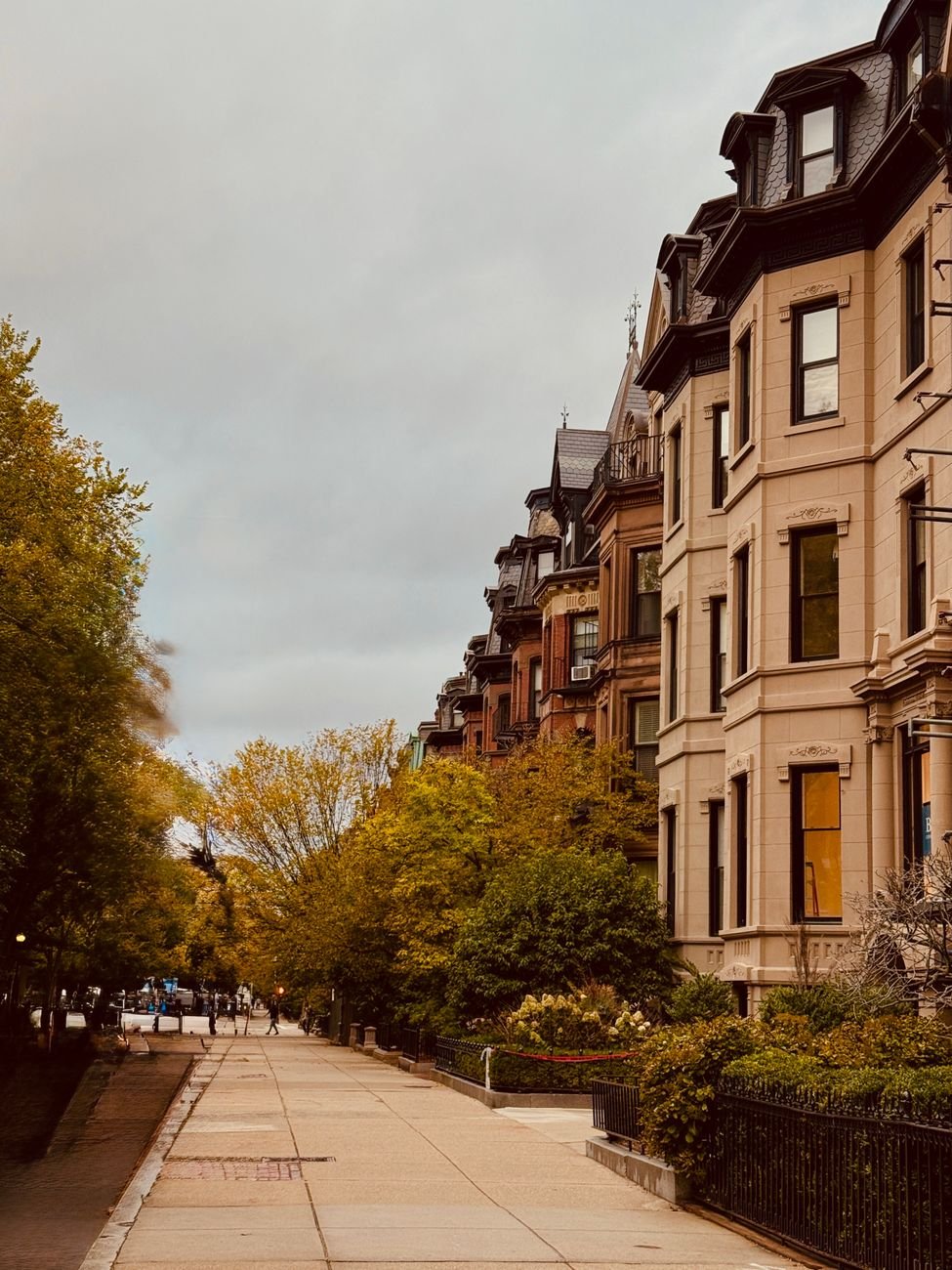
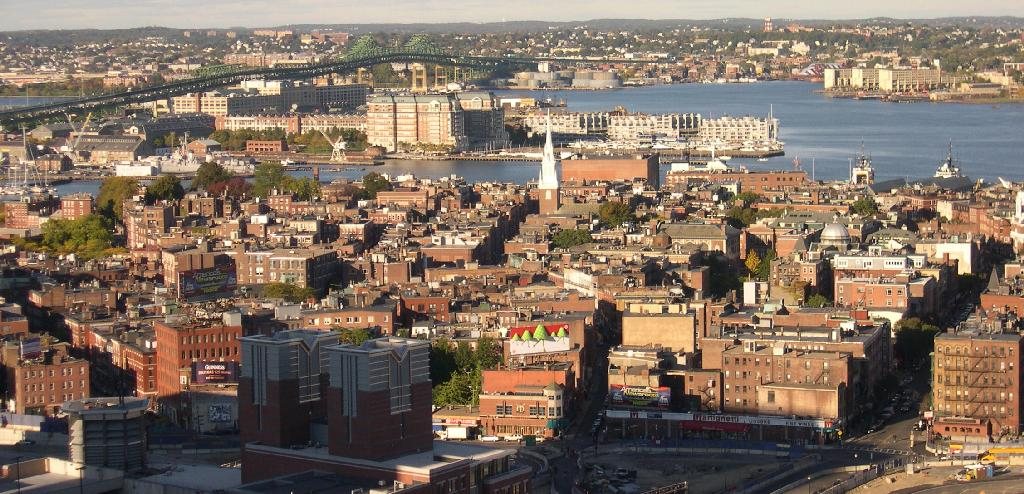
The North End's Italian bakeries are not a cliché, they are a functioning neighborhood institution, and the correct move is to take them seriously. Mike's Pastry and Modern Pastry have competed across Hanover Street for generations; both are genuinely good; the debate is a loyalty test, not a taste test. What matters more is the sequence: cannoli from whichever side you've committed to, an espresso at one of the small bars on Salem Street, and then a walk that gets you off Hanover quickly. The residential streets north of the main drag (Hull Street, Snowhill, Charter) hold the actual neighborhood, the small parish church that's been there since the 1800s, and the kind of urban density that most American cities have paved over. Locals also know that the North End's best food isn't always the most famous restaurants. The smaller lunch counters and the deli counters on Salem Street are often where to eat.

Cambridge and Somerville
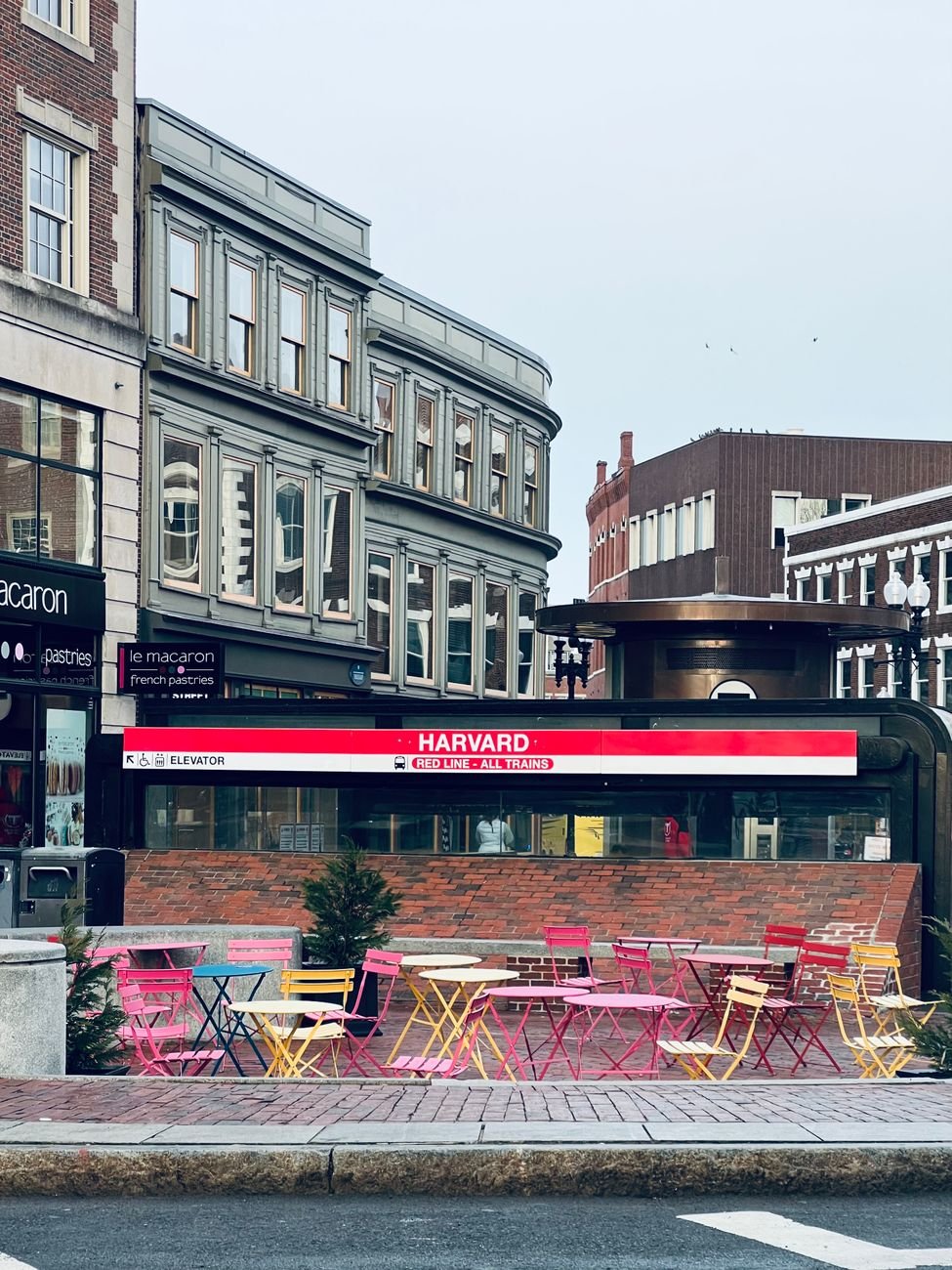
Harvard Square is a separate city technically and a different planet temperamentally, but it earns its place on any honest list of things to do in Boston. The Square itself has been grievously over-chained in the past two decades, but the institution underneath it, the used bookstores, the Brattle Theatre, the Out of Town News kiosk (now closed as a newsstand but still there as architecture), the general density of people arguing about things, persists. The Brattle is one of the last real revival film houses in New England and runs serious programming: retrospectives, foreign films, the classic film series that has been going since 1953. Harvard's art museums (the Harvard Art Museums, combining the Fogg, the Busch-Reisinger, and the Arthur M. Sackler) are technically free for Massachusetts residents on certain days and generally less crowded than the MFA, with a Renzo Piano building of their own that uses natural light as a structural idea.
Davis Square in Somerville is where the bars and music are. The Burren has been doing Irish sessions on weekend afternoons for decades; the crowd is genuinely mixed between old-Somerville and new-Somerville in a way that's increasingly rare. The branch of the Diesel Café on Holland Street is the kind of coffee shop that serves as the neighborhood's living room, where people bring laptops on Monday mornings and newspapers on Sunday afternoons, and the conversations at adjacent tables are audible and often worth listening to. Union Square, about a mile south of Davis, has developed more quickly and self-consciously. The Assembly Row corridor up by the Mystic River has changed the city's sense of where Somerville ends, and the development pressure has remade blocks that were light-industrial a decade ago. But Union Square itself holds: the distillery on Somerville Avenue, the produce importers, the restaurant that was too good for its location when it opened and has since been vindicated. The whole stretch rewards an afternoon rather than a quick stop, which is the model for Somerville generally. The Green Line's extension to Union Square has made it more accessible than it's been in decades.
The Waterfront and Greenway
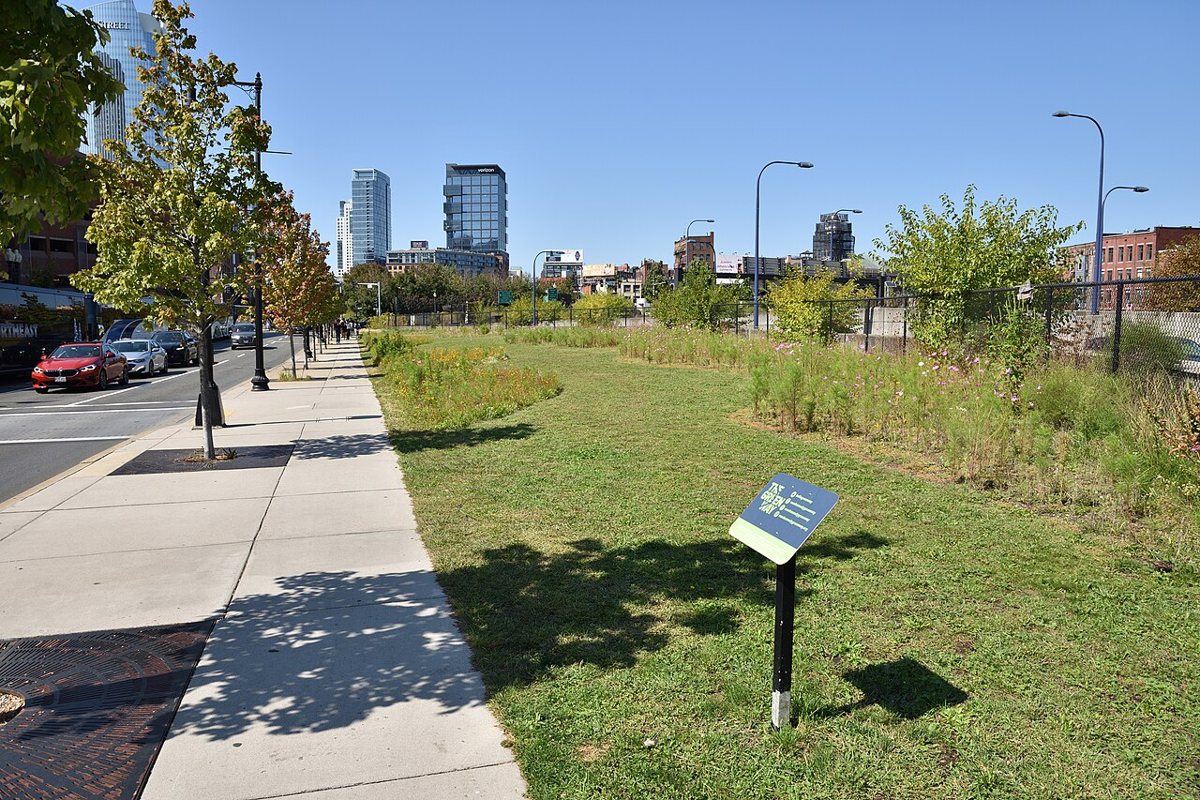
The Rose Kennedy Greenway was built on the footprint of the old Central Artery, the highway that ran on a raised structure through downtown Boston for fifty years, cutting off the waterfront from the rest of the city. When the Big Dig buried the highway underground and the concrete came down in the early 2000s, the city planted a linear park in its place, stretching from the North End to South Station. It functions best as connective tissue rather than destination, the way to walk from the Aquarium to the North End, or from South Station up toward Faneuil Hall, without going underground. The carousel in the middle of the Greenway is not ironic; it is just a carousel, and it is excellent. The weekend farmer's markets along the path are among the better ones in the city. In summer, the Greenway Conservancy fills the space with food trucks and rotating public art installations that range from genuinely serious to unambiguously festive, and the whole corridor comes alive in a way that reminded Bostonians that their waterfront existed.

The New England Aquarium sits at the waterfront edge of the Greenway and is better than its tourist-attraction designation might suggest. The Giant Ocean Tank (a four-story cylindrical reef ecosystem with sharks, sea turtles, and hundreds of other species) is one of the more technically impressive permanent exhibits in any American aquarium. The penguin colony on the main floor is exactly what it sounds like and remains effective regardless of how many times you've seen it. Locals take kids here; locals without kids also come, which is its own endorsement.

The Esplanade and the Public Garden
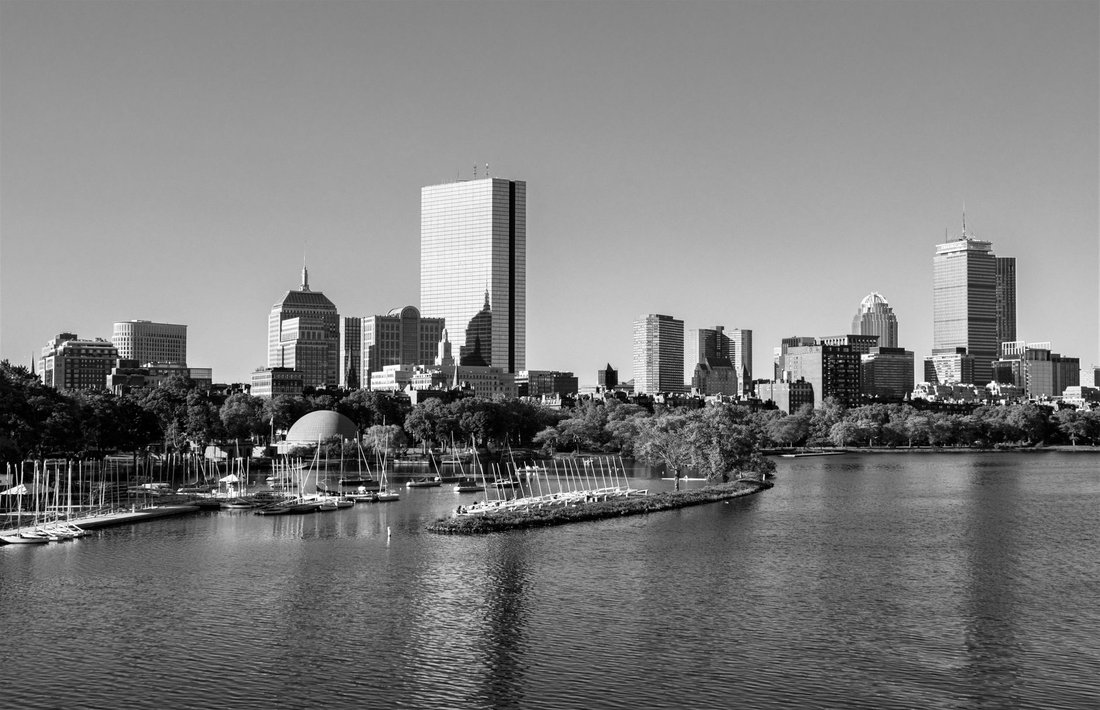
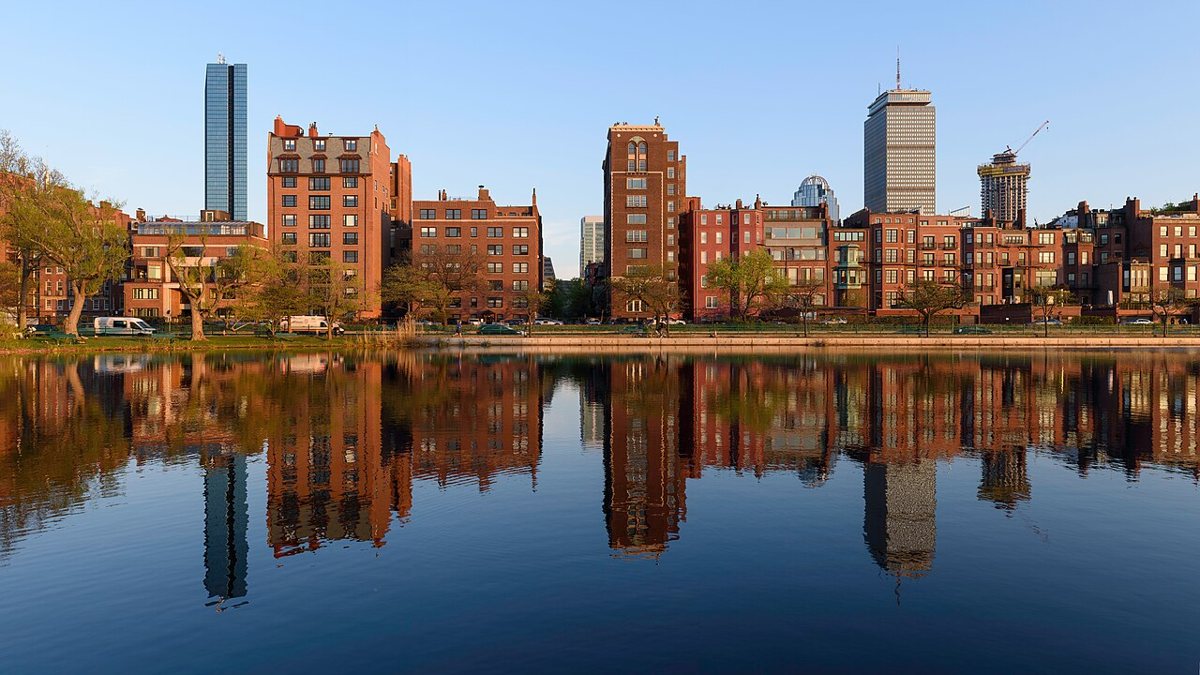
The Charles River Esplanade is the city's backyard in a way that Bostonians take entirely for granted until they leave. The path from the Museum of Science bridge down to the BU Bridge (past the Hatch Shell, the community sailing center, and the stretch that fills with runners and cyclists every morning) is four miles of usable waterfront that most cities would consider a miracle. The Hatch Shell hosts the Boston Pops Fourth of July concert, which is the event most worth attending if you can get there early enough to claim grass, and genuinely worth skipping if you can't. On any other summer weekend, the Esplanade is simply where people go. For outdoor activities in Boston, the Esplanade is where residents start.

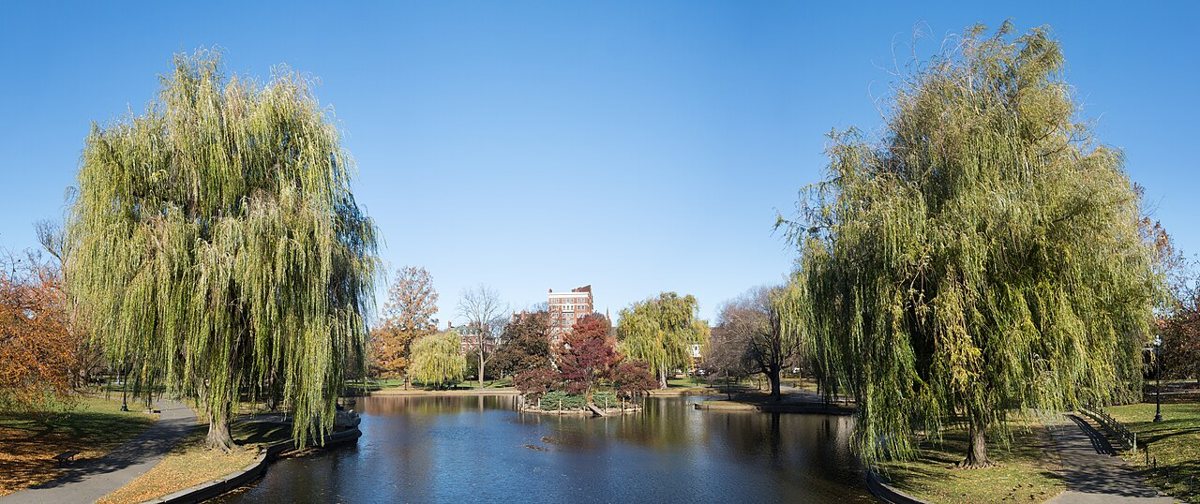
The Boston Public Garden is the formal half of the Common-Garden complex and is best experienced early in the morning before the Swan Boats launch and the tour groups form. The weeping willows along the lagoon, the formal flower beds, the suspension footbridge, it's one of the few places in the city that actually looks like its postcards, and it's free. The Swan Boats themselves, operated by the Paget family since 1877, are genuinely slow and genuinely pleasant and require no further justification. The bronze Make Way for Ducklings sculpture near the Charles Street entrance is where every child in the city has been photographed at some point, and the tradition continues without irony.

Practical Notes for Getting Around
The T
- The MBTA subway, the T, covers the core of the city adequately and the outlying neighborhoods badly. For the places in this guide, the relevant lines are: Green Line (Fenway, Kenmore, Science Park for the Esplanade), Orange Line (Jamaica Plain, Back Bay, Ruggles), Red Line (Cambridge, South Station, Harvard Square), Blue Line (Aquarium, Airport).
- The T is slower than it should be and more reliable than it sometimes gets credit for. Off-peak midday is the best time to use it. Rush hour on the Green Line is a test of character.
- CharlieCard (the reusable tap card) is cheaper per ride than a paper ticket and available at station vending machines. Buy one if you're staying more than a day.
Timing
- September through November is the best stretch of months in Boston. The summer crowds thin, the light is good, the foliage in the Arboretum and along the Esplanade is legitimate.
- Game days at Fenway and TD Garden change the character of Kenmore Square and the North Station neighborhood significantly. If you're not going to a game, adjust accordingly, or go toward the waterfront instead.
- January and February are the city's lowest months in terms of tourism and highest in terms of everything being open without a wait. The MFA in February on a Thursday afternoon is as close to having the place to yourself as Boston gets.
What's Free
- The Arnold Arboretum is always free (Harvard-administered, public access).
- The Boston Public Garden and Common have no admission.
- The Charles River Esplanade is public parkland.
- The Rose Kennedy Greenway is free and open continuously.
- The Harvard Art Museums offer free general admission for Massachusetts residents; check the museum's current policy before visiting.
- The MFA has community free hours on certain evenings and days; details on the museum's site.
A Local's Honest Assessment
Boston is a city that rewards stubbornness. The people who get the most out of it are the ones who pick a neighborhood and learn it properly (who know which coffee counter opens early, which bar still has the old jukebox, and which bakery's line is worth joining on a cold Saturday) rather than the ones who try to cover the checklist in a weekend. The Gardner is worth your time on its own. The Arboretum is worth getting lost in for a full afternoon. Fenway is worth the Green Line at game time even when the Sox are going nowhere. The South End is worth skipping the dinner reservation in favor of finding out what's actually good that week.
The city also requires a certain tolerance for people who are deeply sure of themselves. Bostonians will tell you with complete confidence that their clam chowder is the only clam chowder, that the T is perfectly manageable if you just know how to use it, and that every other American city lacks something they cannot quite articulate but know when they see its absence. Some of this is parochial in the tiresome sense. Some of it is accurate. The good news is that you don't have to accept the full package (the sports loyalty, the traffic opinions, the tendency to call everywhere outside of Route 128 either irrelevant or New Hampshire) to get something real out of the place. None of these experiences require a tour guide or a package deal. They require showing up and paying attention, which is more or less what Boston has always asked of the people who live here.