Best Things to Do in Boston You Shouldn't Miss
A neighborhood-by-neighborhood case for what's actually worth your time in Boston, argued by someone who has to live here after the tourists go home.
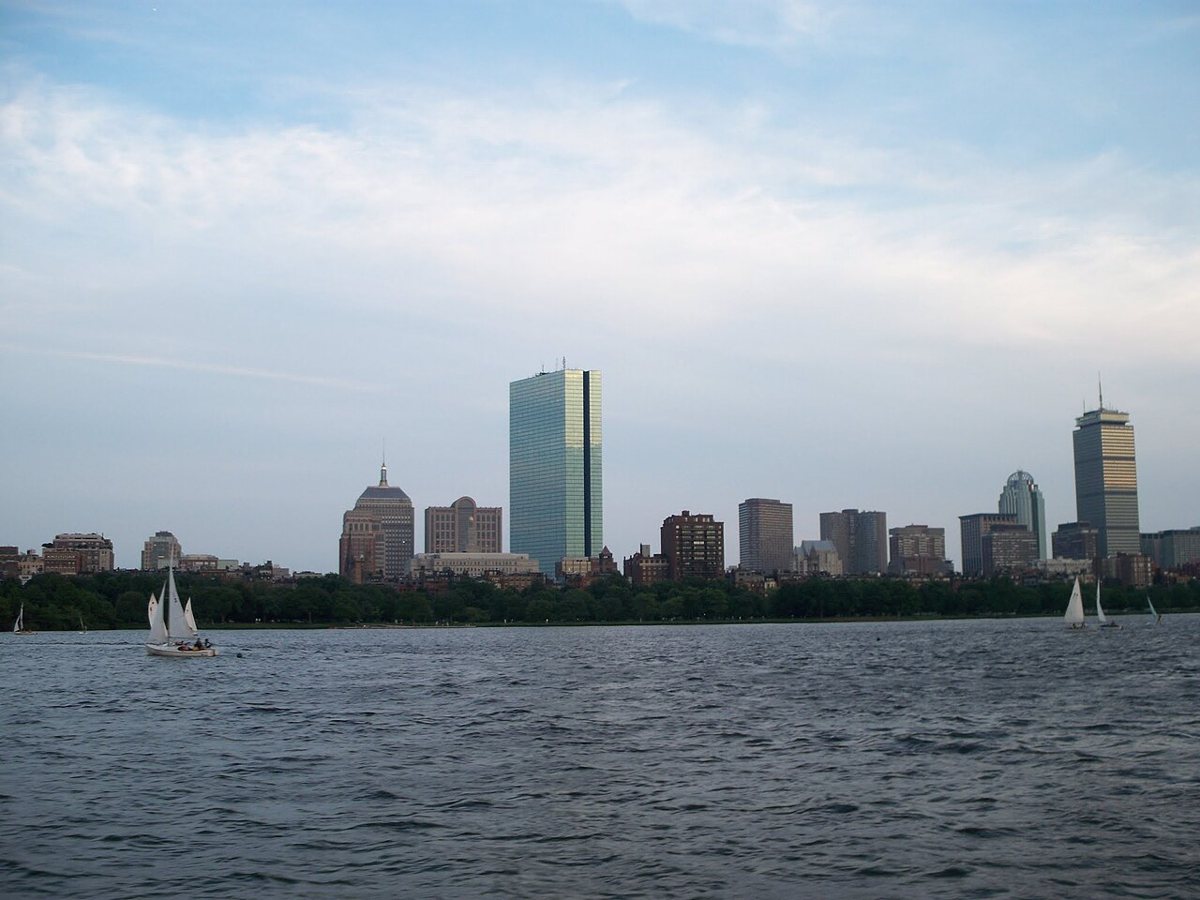

Quarter to seven on a Tuesday in May, and the Charles River Esplanade is already working. Eight-woman shells slide out from the boathouse near the Hatch Shell, a physical therapist runs tempo intervals past the Longfellow Bridge, two guys in Dunkin' polos argue about the bullpen while they stretch. Nobody out here is thinking about the Freedom Trail. They're doing what a big chunk of this city does before the office traffic starts: treating a strip of grass along a tidal river like the town square it actually is. That's the part visitors miss when they ask about the best things to do in Boston. The famous stops are famous for good reason, but the city's real character shows up at the seams, in the habits locals never bothered to advertise because they didn't think anyone else would want in.
This guide covers both. The marquee attractions that earn their reputation, and the neighborhood texture that makes them worth visiting in the first place. Organized by area, because Boston is a city of villages that happen to share a subway map, and nobody who lives here thinks of it any other way.
The Best Things to Do in Boston Start With Knowing Which Neighborhood You're In
Ask someone from Southie for directions and someone from Cambridge for the same directions and you'll get two different cities. That's not a knock. It's the whole point. Below is a walk through the ones that matter most for a first, second, or twentieth visit, organized the way residents actually think about them rather than how a map legend would.
Downtown and the Waterfront: Where the Old City Still Runs the Show
Faneuil Hall Marketplace
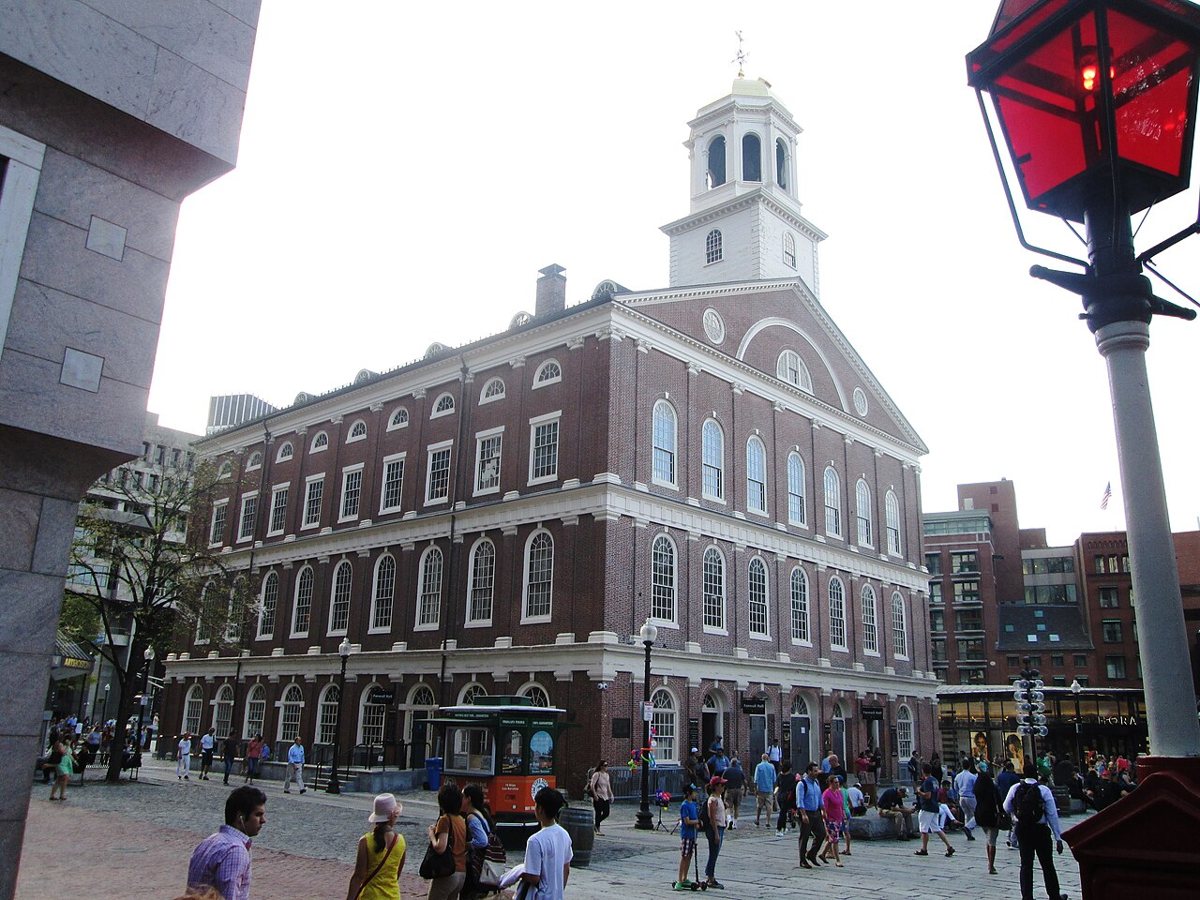
Skip the debate about whether this counts as touristy and just go. Faneuil Hall itself has functioned as a meeting hall and market since the 1740s, and the adjoining Quincy Market buildings still run a working food hall alongside the souvenir stalls. Street performers work the cobblestones between the colonnades most afternoons, and the crowd is a genuine mix of commuters cutting through on lunch break and out-of-towners taking photos. Go for the chowder counters inside the market building rather than the sit-down restaurants ringing the perimeter, and go on a weekday morning if you want to see it function as a market instead of a photo backdrop. The building anchors the walk between the Financial District and the waterfront, so treat it as a hub, not a final destination.

New England Aquarium
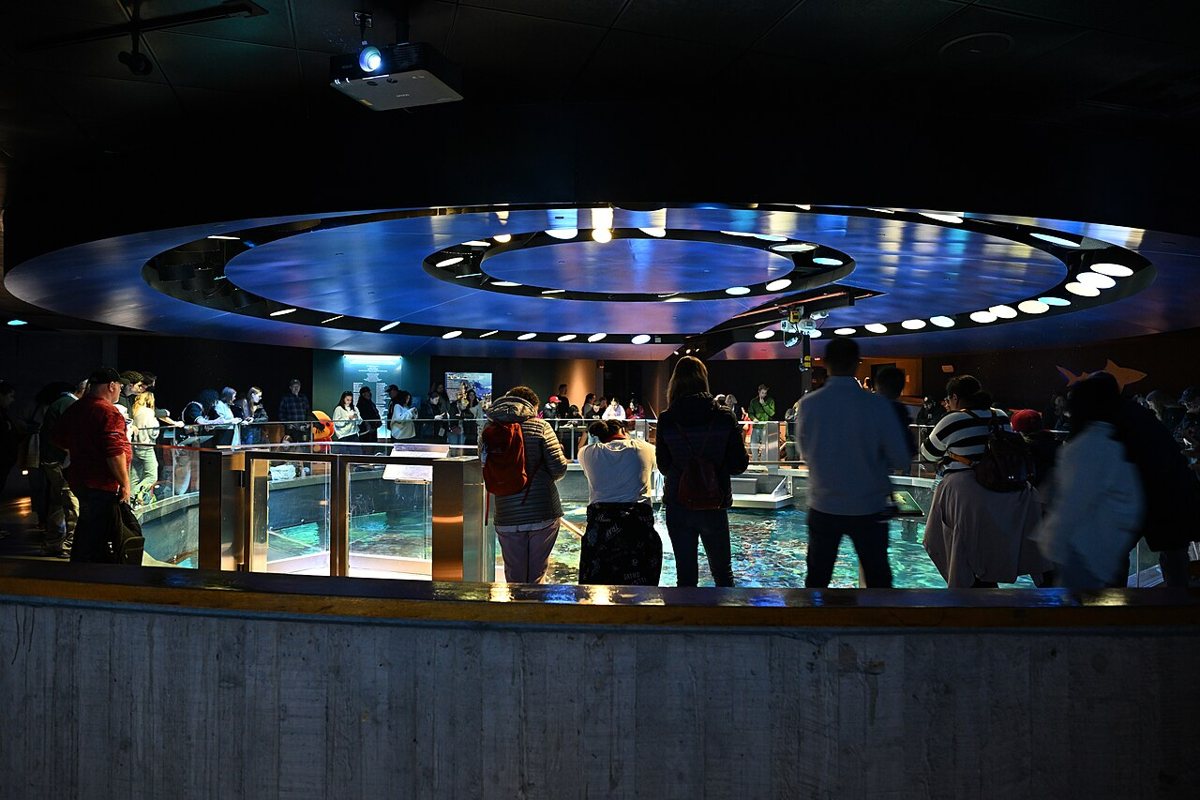
The giant ocean tank at the center of the building is the reason this place has stayed relevant for decades, a four-story cylinder you circle on a spiraling ramp while sea turtles and sharks pass at eye level. The penguin colony at the base draws the longest lines, and for good reason, since it's one of the only places in the city where you can watch African penguins at close range without glass fogging up your photos. Harbor seals hold court outside on the plaza and don't require any ticket at all, which makes the exterior worth a stop even if you're not going in. The waterfront location puts you steps from the harbor walk and the ferries out to the Boston Harbor Islands, an underused option for anyone who wants water without leaving the city.

Rose Kennedy Greenway
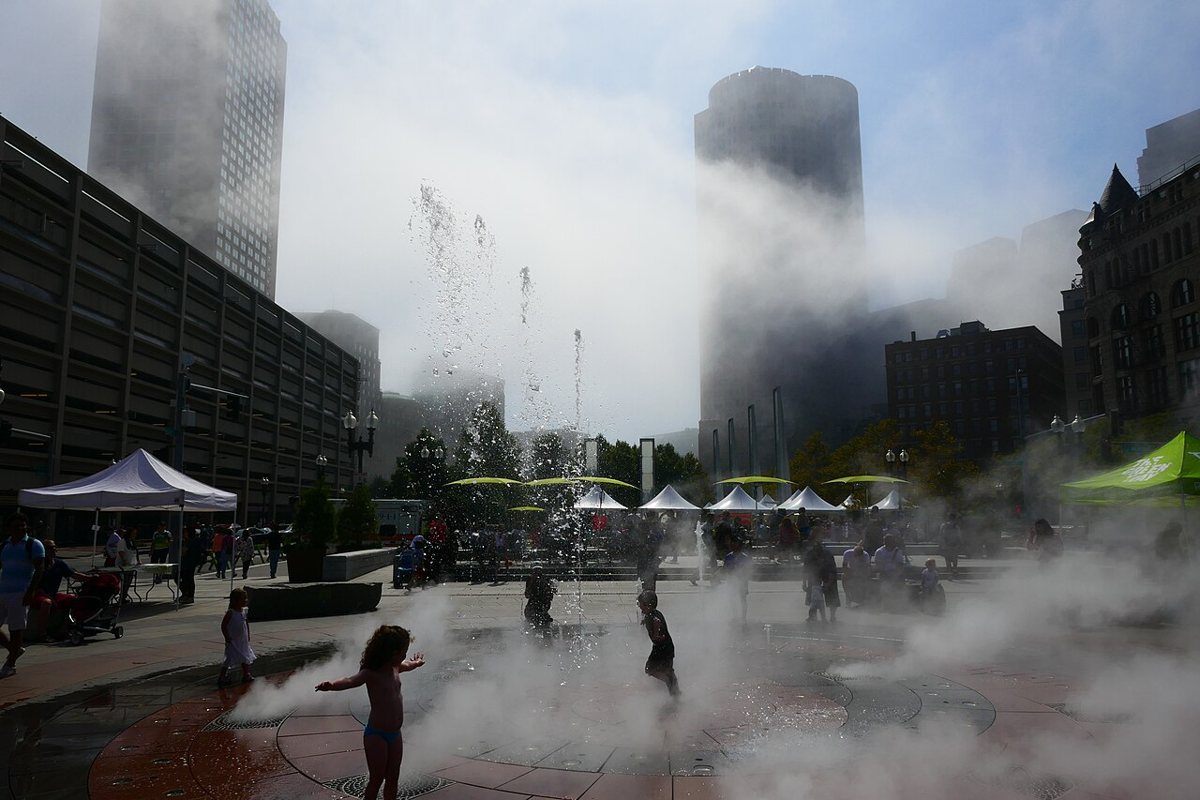
This is the linear park built over the old Central Artery, the highway that once ran overhead on steel stilts, and it stitches the North End back to the rest of downtown in a way that hadn't existed for half a century. The full length runs past rotating public art, a carousel with sea-creature figures instead of horses, fountains that kids run through in summer, and a lineup of food trucks that changes by season. The greenway isn't one attraction so much as connective tissue, but it's genuinely pleasant connective tissue, and locals use it as a shortcut, a lunch spot, and a place to sit that has nothing to do with any single landmark. Walk it in the evening when the trucks are still out and the light off the harbor buildings turns gold.

Back Bay and the South End: Brownstones, a Library Built Like a Palace, and Two Parks Worth Fighting For
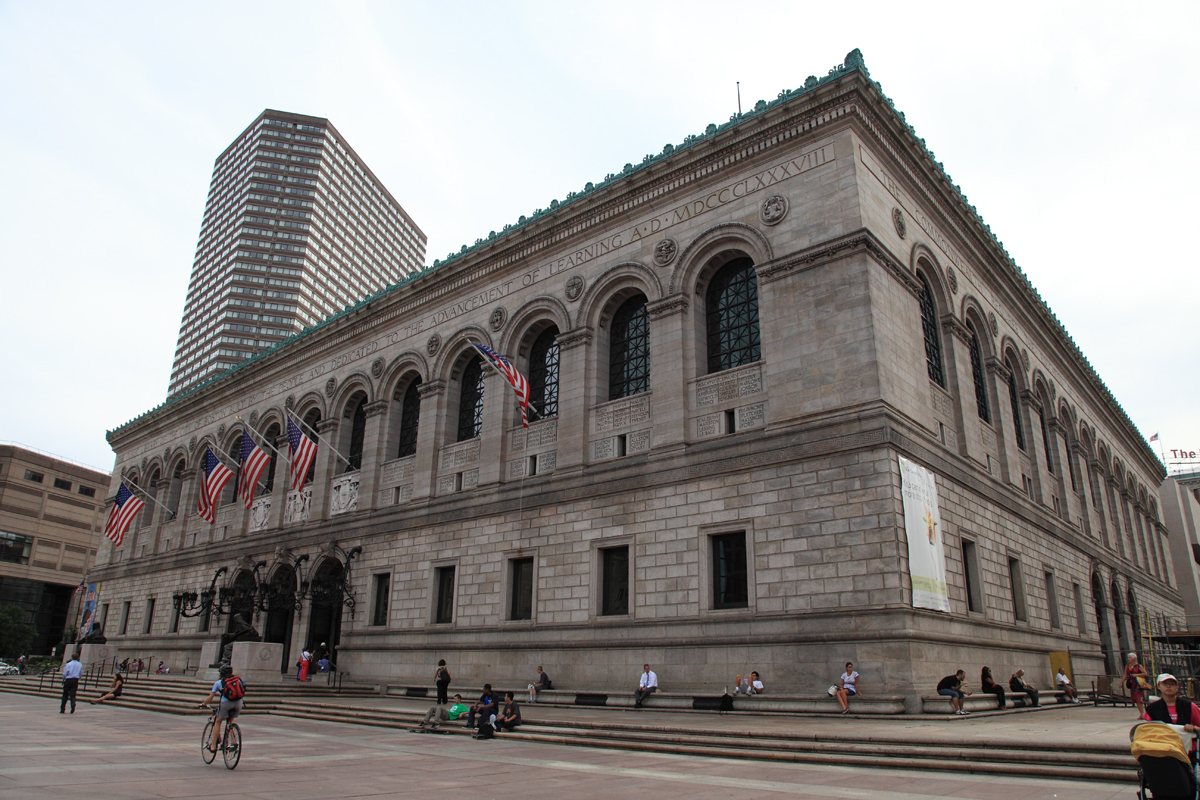
Boston Public Library
The Central Library in Copley Square is a working library first, which is exactly why it's worth visiting. Walk into the older McKim building and you'll find a courtyard modeled on an Italian palazzo, murals by Sargent and Puvis de Chavannes, and a reading room that puts most museums to shame for free. This is one of the least understood entries on any Boston list because people assume a library can't be a destination. It absolutely can. Bring a book, sit in the courtyard if the weather allows, and take the self-guided route past the murals on the upper floors. It sits directly across Copley Square from Trinity Church, so pair the two and you've covered some of the best architecture in the city in one stop.

Boston Common and the Public Garden
The Common is the oldest public park in the country and the Public Garden sits right beside it, separated only by Charles Street, but they behave like two different rooms in the same house. The Common is scrappier: dog walkers, a Frog Pond that's a wading pool in summer and a skating rink in winter, protest rallies, kids on the playground near Beacon Street. The Public Garden is the manicured one, with the swan boats gliding across the lagoon since the 1870s and the bronze ducklings from the children's book that every parent in the region has read out loud at least once. Do both back to back. The swan boats run seasonally and are worth the short ride if the line isn't absurd, but even skipping the boats, the garden's paths and the Common's open lawns give you the best free hour in the city.
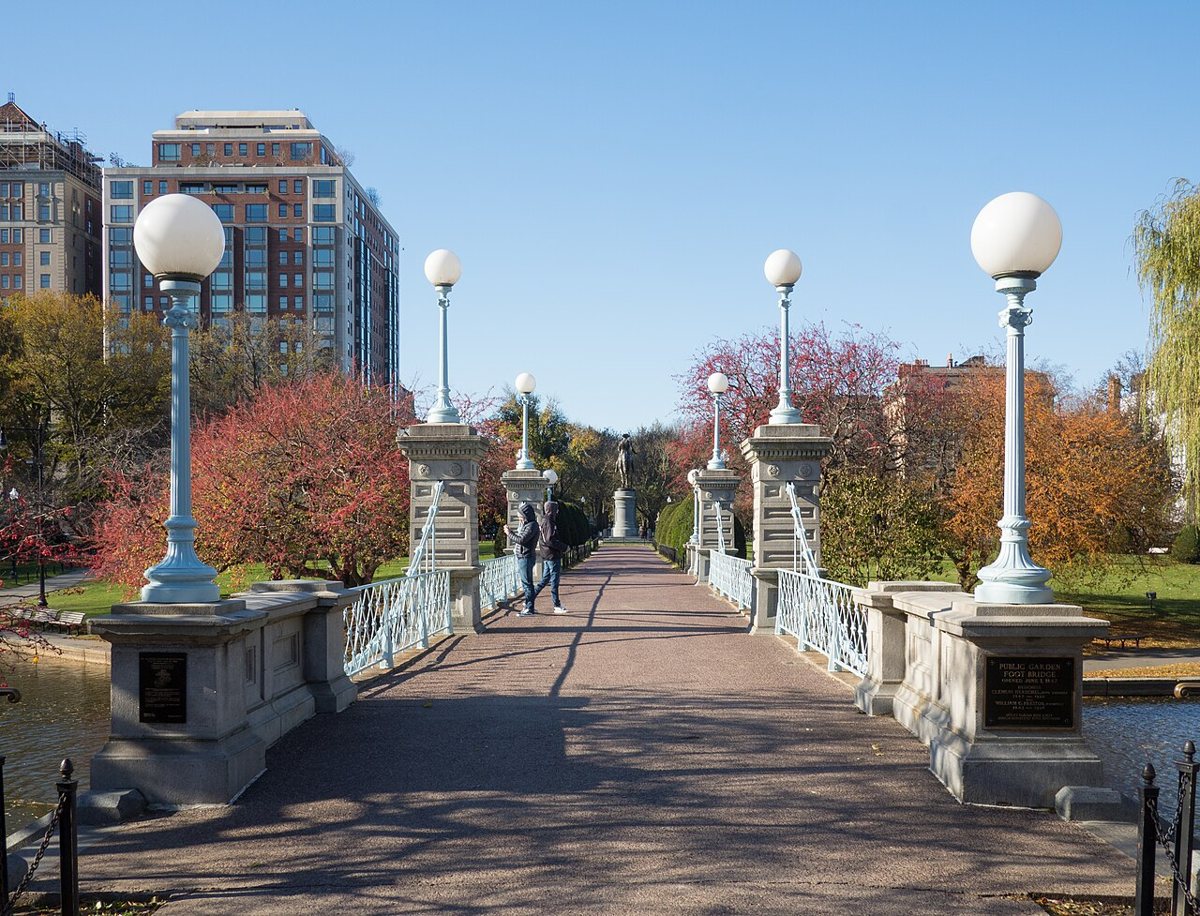

The South End proper, just south of here, is where the brownstones get more residential and the restaurant density gets serious, worth a wander for the architecture alone even before you sit down at one of the neighborhood's restaurants. Tremont Street is where a lot of locals go looking for a proper cold lobster roll, the kind served on a buttered, toasted split-top bun with the meat barely dressed in mayonnaise, no fuss, no fillers.
The Fens and Kenmore: Baseball, Art, and a Neighborhood Built Around Both
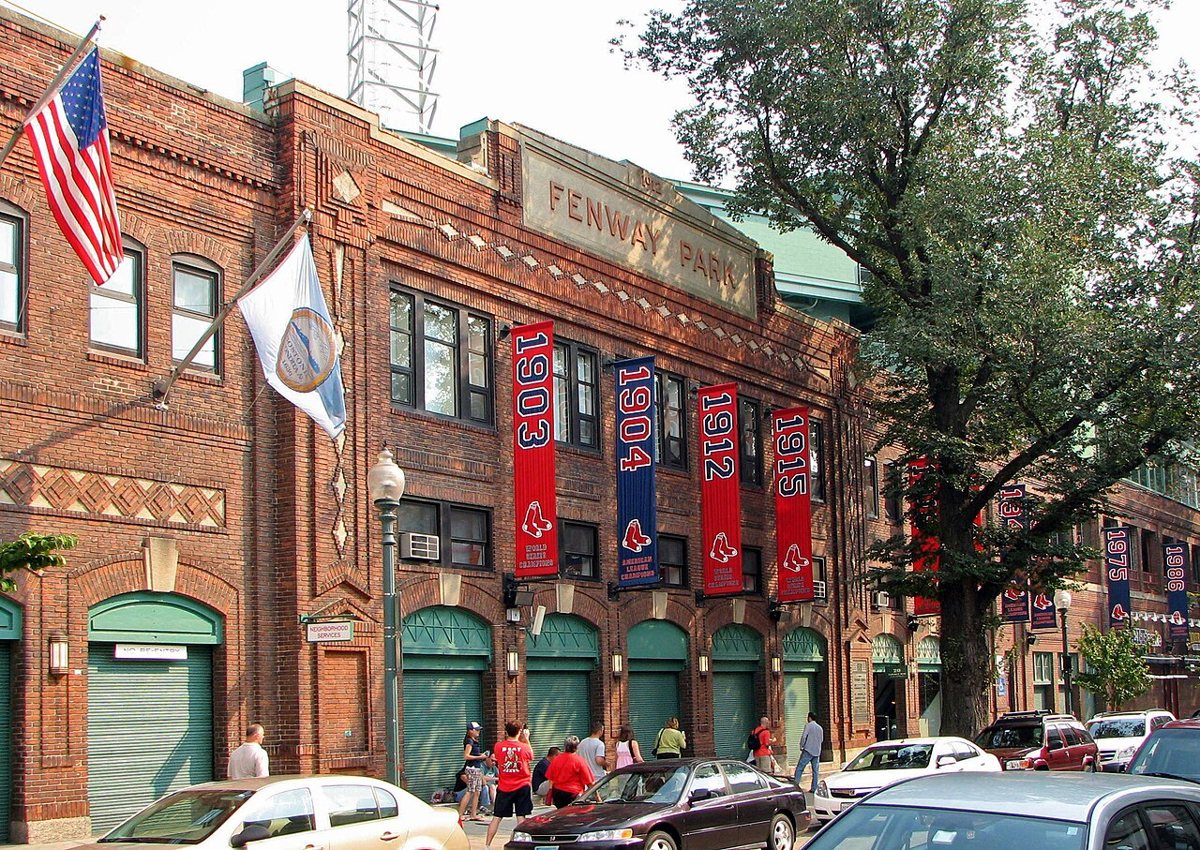
Fenway Park
The oldest ballpark in Major League Baseball opened in 1912 and hasn't moved an inch since, which means modern baseball gets crammed into a footprint designed for a different era. That's the appeal. The Green Monster looms over left field close enough to touch the game in a way stadium architecture stopped allowing decades ago, and seats behind the foul poles will genuinely obstruct your view, a fact the ballpark makes no apology for. Catching a game is the obvious move, but the ballpark tours run outside game days too, and they get you onto the Monster seats and into the dugout in a way ticket prices for actual games rarely allow. The neighborhood around the park turns into a street festival on game days regardless of loyalty, so even a non-fan will feel the pull of it just walking past on Lansdowne Street.

Museum of Fine Arts Boston
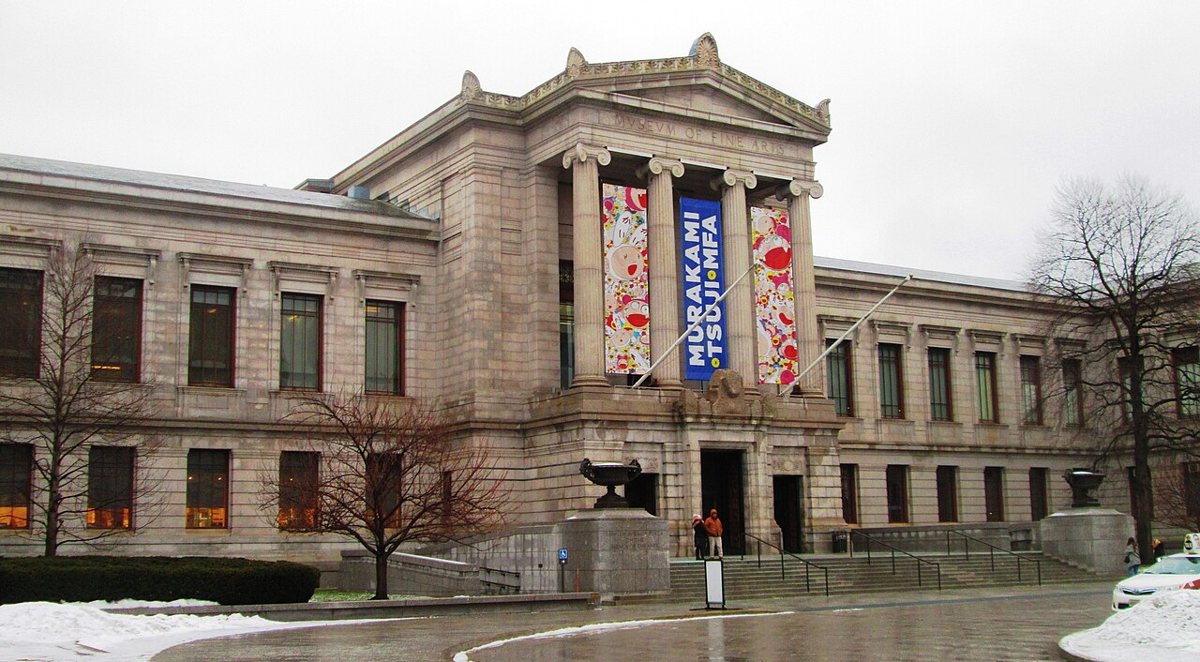
One of the largest art museums in the country, with a collection deep enough that you could visit monthly for a year and still not see everything on rotation. The Art of the Americas wing alone could eat an afternoon, and the Egyptian collection is one of the strongest outside Cairo and London. What separates the MFA from a lot of encyclopedic museums is that it doesn't feel like a mausoleum. There are frequent special exhibitions worth planning a trip around, a genuinely good café, and enough natural light in parts of the building that it doesn't feel like a bunker. Check current hours before you go, since the museum has occasionally offered discounted evening access, and don't try to see the whole building in one visit. Pick two wings and do them properly.

Isabella Stewart Gardner Museum
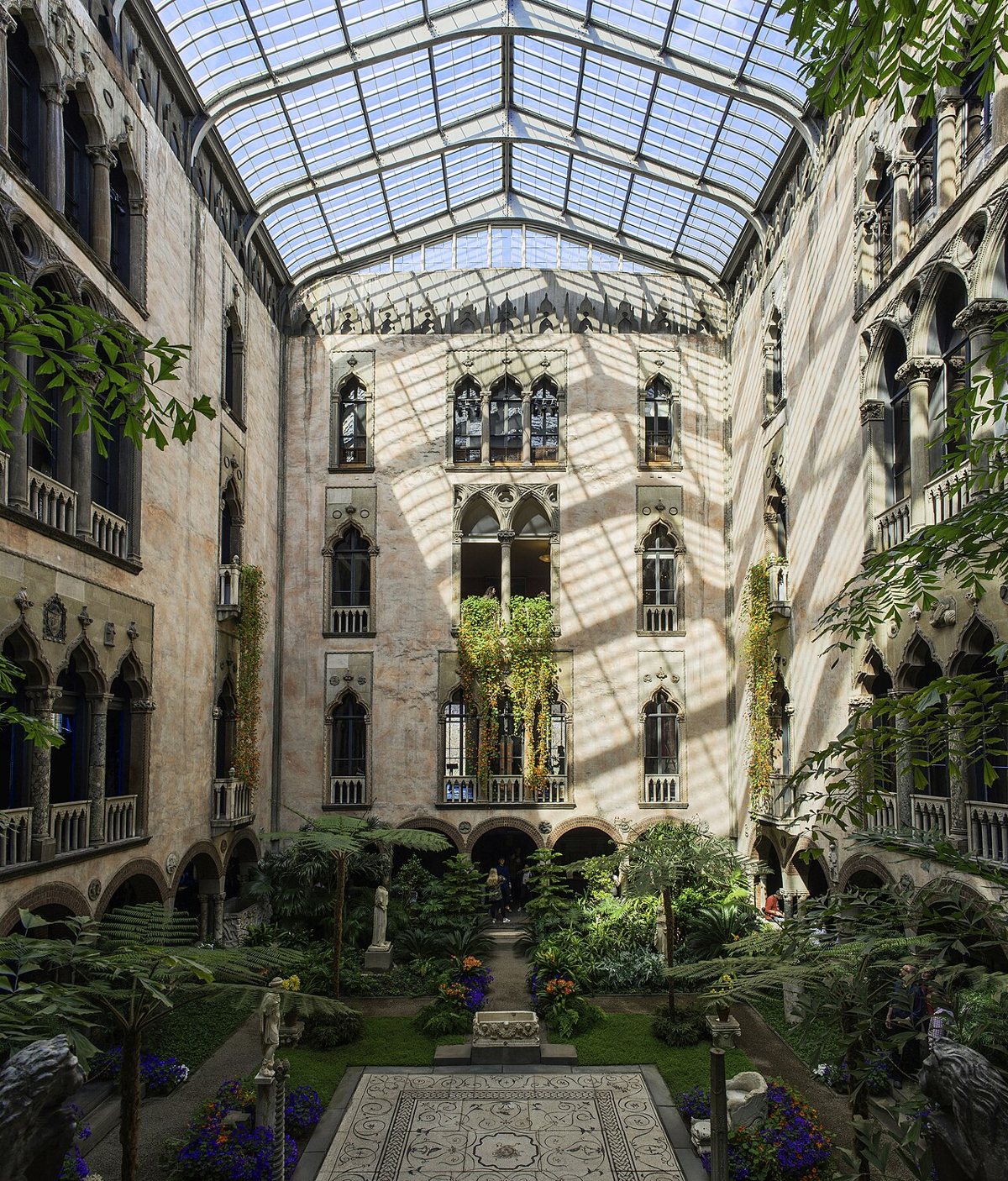
A few minutes from the MFA sits a completely different kind of museum, built around a Venetian-style courtyard that Isabella Stewart Gardner filled with flowers and light wells instead of hallways. The collection is arranged exactly as she left it in her will, which means paintings hang next to tapestries and furniture in a way no modern curator would ever choose, and that idiosyncrasy is the entire charm of the place. It's also the site of the unsolved 1990 art heist, still the largest property theft in U.S. history, and empty frames remain on the walls where the stolen works used to hang, a deliberate and slightly eerie choice. The courtyard alone, especially when the seasonal flower displays are in bloom, justifies the visit.

The Seaport and South Boston: New Money, Old Neighborhood
Institute of Contemporary Art Boston
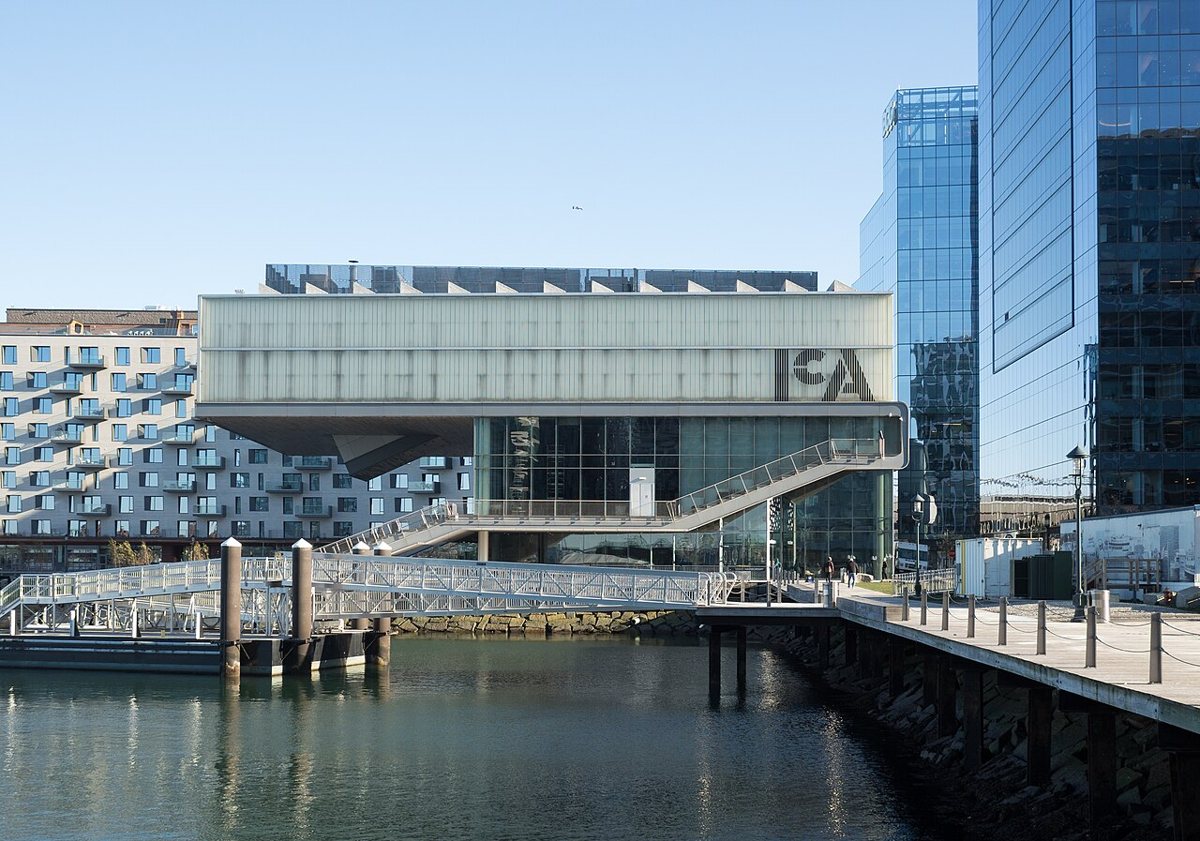
The ICA moved to its current glass-and-steel building on the waterfront and turned what used to be an industrial pier into one of the better contemporary art spaces on the East Coast. The building itself cantilevers out over the harbor, and the top-floor galleries give you water views alongside whatever exhibition is running, which changes often enough to reward repeat visits. The museum leans into performance, film, and installation work more than most, so don't expect wall after wall of paintings. Go for a rotating show, stay for the harborside deck. The surrounding Seaport neighborhood is the newest part of the city by a wide margin, glass towers where warehouses stood a generation ago, and it's worth a walk if only to see how fast Boston can still change when it wants to.

South Boston, just across the channel, still runs on its own clock. Castle Island draws walkers and joggers along the harbor path year-round, and the fried clam shack at its base has fed generations of Southie kids after Little League games. It's not glamorous. It's not supposed to be.
Jamaica Plain and Roxbury: Where Boston's Progressive Streak Lives
Arnold Arboretum
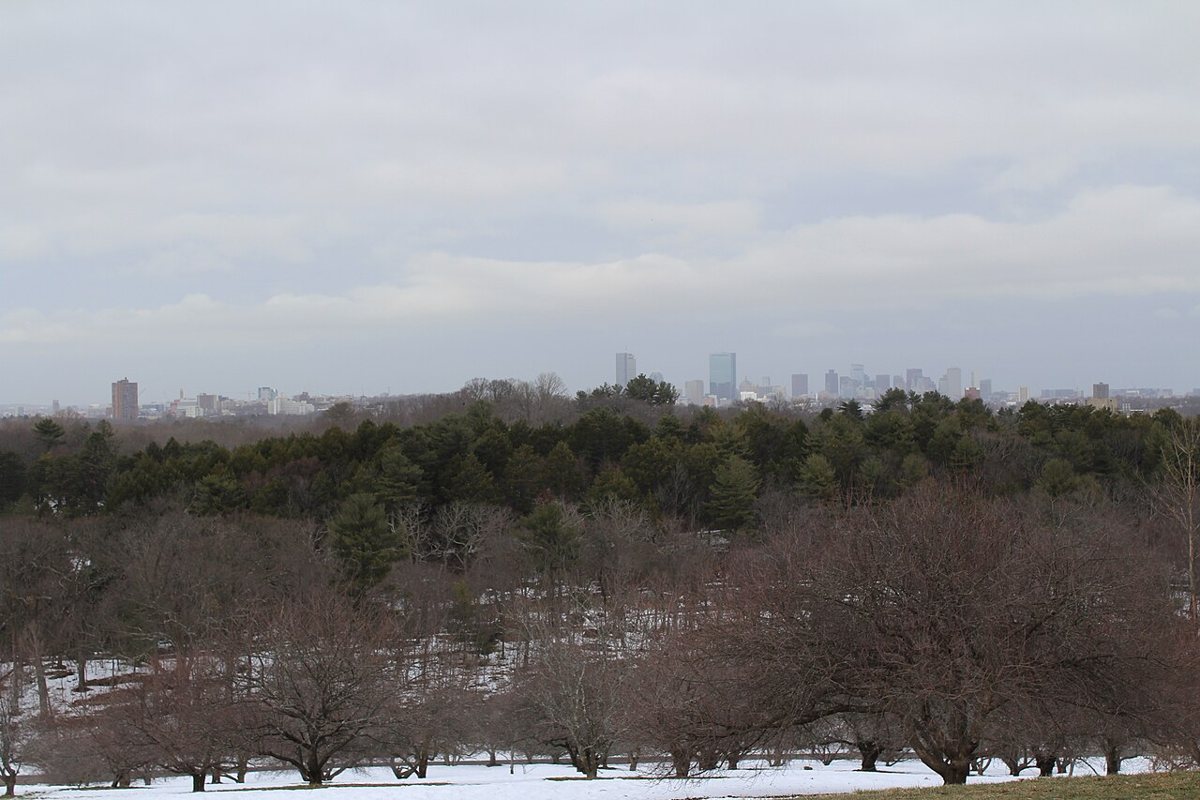
Run by Harvard but free and open to the public every day, the Arnold Arboretum is 281 acres of maintained forest and cultivated collections spread across Jamaica Plain and Roxbury, and it's the closest thing Boston has to genuine wilderness inside city limits. Lilac Sunday, an informal spring tradition rather than an official event, draws crowds to the lilac collection when it blooms, and the hilltop at Peters Hill gives a skyline view that most visitors never think to look for. Dog walkers, runners, families with strollers, and serious botanists all share the paths without much friction. Go in autumn if you can. The tree collection was assembled specifically for seasonal variety, and the foliage rivals anything in New England without requiring a car trip north.

Jamaica Plain itself carries deep Latino history alongside its reputation as an artist enclave, centered on Centre Street's mix of longtime family-owned restaurants and newer arrivals. Roxbury, the historic center of Boston's Black community, holds cultural institutions and architecture that rarely make the standard tourist itinerary but should. Neither neighborhood needs a marquee attraction to justify a visit. Walking them is the point.
Cambridge and Somerville: Not Boston, But You'll End Up There Anyway
Harvard Square
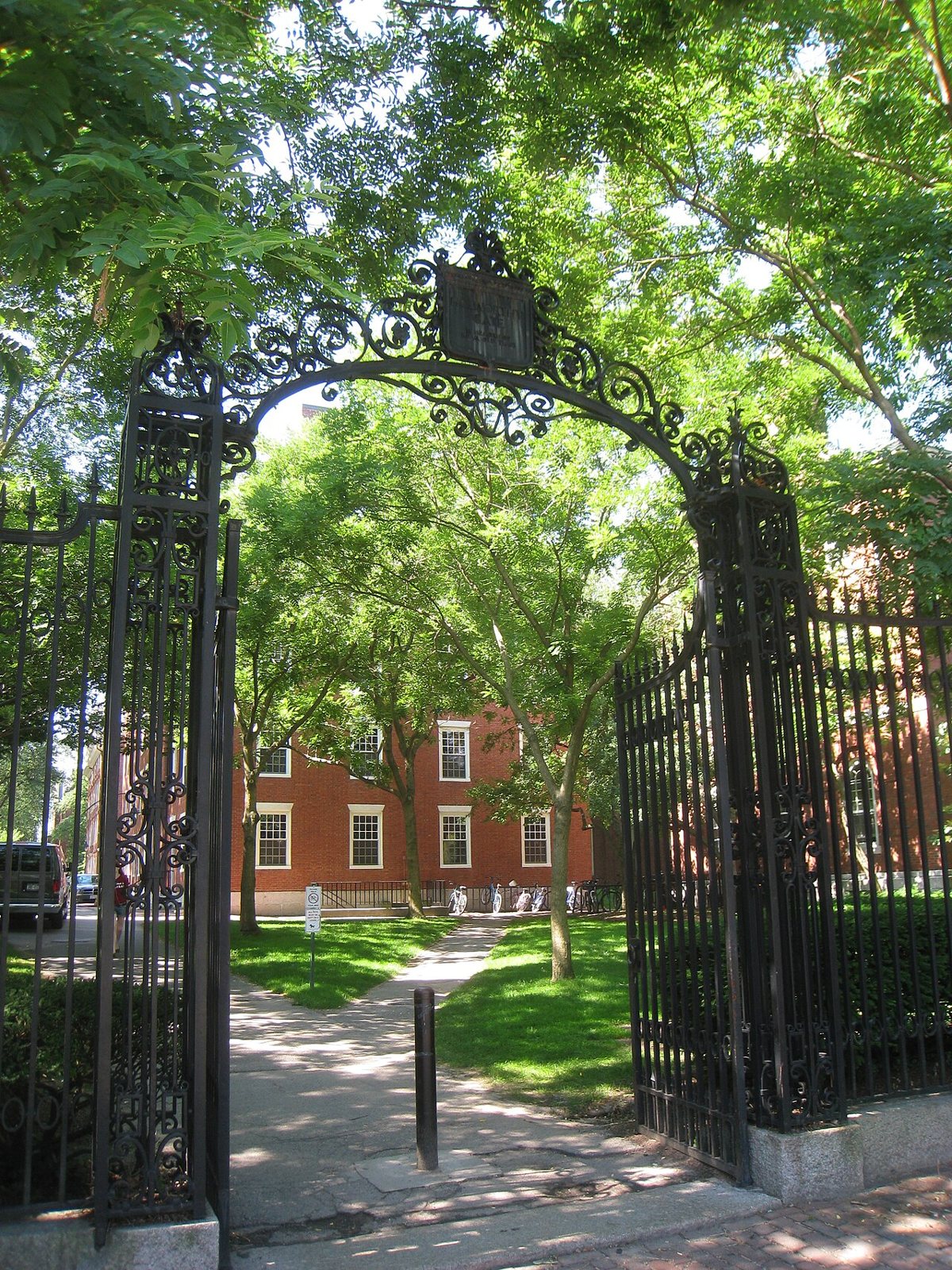
Cross the river and you're in a different city with its own government, and Harvard Square is its unofficial living room. Street musicians, secondhand bookstores that have survived decades of rent increases, and the gates of Harvard Yard itself, where you can walk the paths past University Hall without ever needing a ticket. The square gets crowded with students and tourists in equal measure, but duck a block off the main drag and you'll find the coffee shops and bars where actual Cambridge residents spend their time. The Harvard Art Museums sit right at the edge of the square if you want an indoor stop, and the Charles River is a short walk south if you'd rather stay outside.

Somerville, one T stop or a short walk further, runs on a different energy entirely, centered on Davis Square and Union Square, where the region's craft beer scene has planted some of its deepest roots. Neither square has a single landmark worth a special trip, but together they're where a lot of people who actually live here spend their Friday nights.
Getting Around, What's Free, and When to Go
The T, Boston's subway and bus system, covers most of what's listed here, and walking fills the gaps. The Green Line reaches Fenway and the Museum of Fine Arts. The Red Line connects downtown to Harvard Square and Cambridge. The Orange Line runs near Jamaica Plain. Boston itself is compact enough that entire days can be spent without a car, and parking downtown is expensive enough that you shouldn't bother trying.
- Free or effectively free: Boston Common, the Public Garden, the Rose Kennedy Greenway, the Charles River Esplanade, the Arnold Arboretum, the Boston Public Library's reading rooms and courtyard, the seal exhibit outside the New England Aquarium, and Harvard Yard.
- The MFA and other museums have offered reduced-price or name-your-price windows at various points, so check current hours and pricing before you plan around it rather than assuming a set rate.
- Spring and fall are the sweet spots for weather and crowds. Summer brings humidity and tourist volume, especially near Faneuil Hall and the Common. Winter is real winter, and the Common's Frog Pond turns into an outdoor skating rink to compensate.
- Marathon Monday, in April, reroutes half the city and turns Boylston Street into a wall of spectators, worth experiencing once but worth planning around if you have somewhere specific to be.
- Red Sox game days flood the Fenway-Kenmore area with crowds hours before first pitch. Budget extra time getting through the neighborhood, or better yet, arrive early and make it part of the experience.
The Charles River Esplanade, One More Time
Come back to where this started. The Esplanade runs along the Boston side of the Charles for miles, past the Hatch Shell where free concerts and movie screenings happen through the summer, past boathouses, past the pedestrian bridges that let you cross to Cambridge without touching a car. It's not a single attraction so much as a spine connecting several neighborhoods, and it's free every day of the year. Rent a kayak from one of the boathouses near the Esplanade in warmer months if you want to see the skyline from the water instead of the shore, a different angle on the city that most visitors skip entirely.
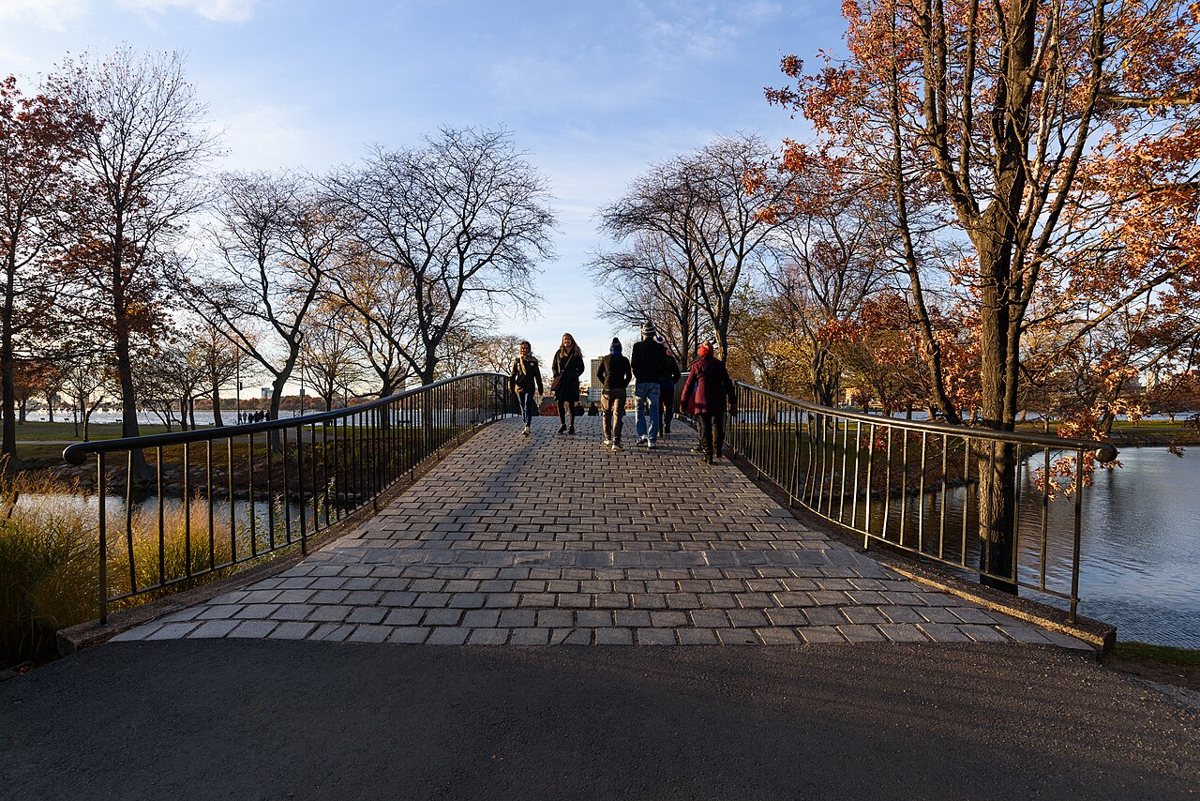

A neighborhood scene like the one at dawn on the Esplanade repeats itself all over this city in different forms: a bartender in the South End who knows your order by the second visit, a JP resident who has a strong and specific opinion about which panaderia on Centre Street does it right, a Southie regular defending Castle Island against anyone who suggests the beach at Revere is better. None of that shows up on a checklist, and none of it can be manufactured for a visitor's benefit. It's just how the city runs when nobody's performing for an audience. See the landmarks. They earned their reputation. But budget time to stand still in one neighborhood long enough to notice how it actually operates, because that's the version of Boston that the postcards never manage to capture, and it's the reason people who move here for two years end up staying for twenty.