Best Museums in Boston for 2026
From the Gardner's empty frames to the Glass Flowers in Cambridge, a no-hype rundown of where to actually spend a museum day in and around Boston.

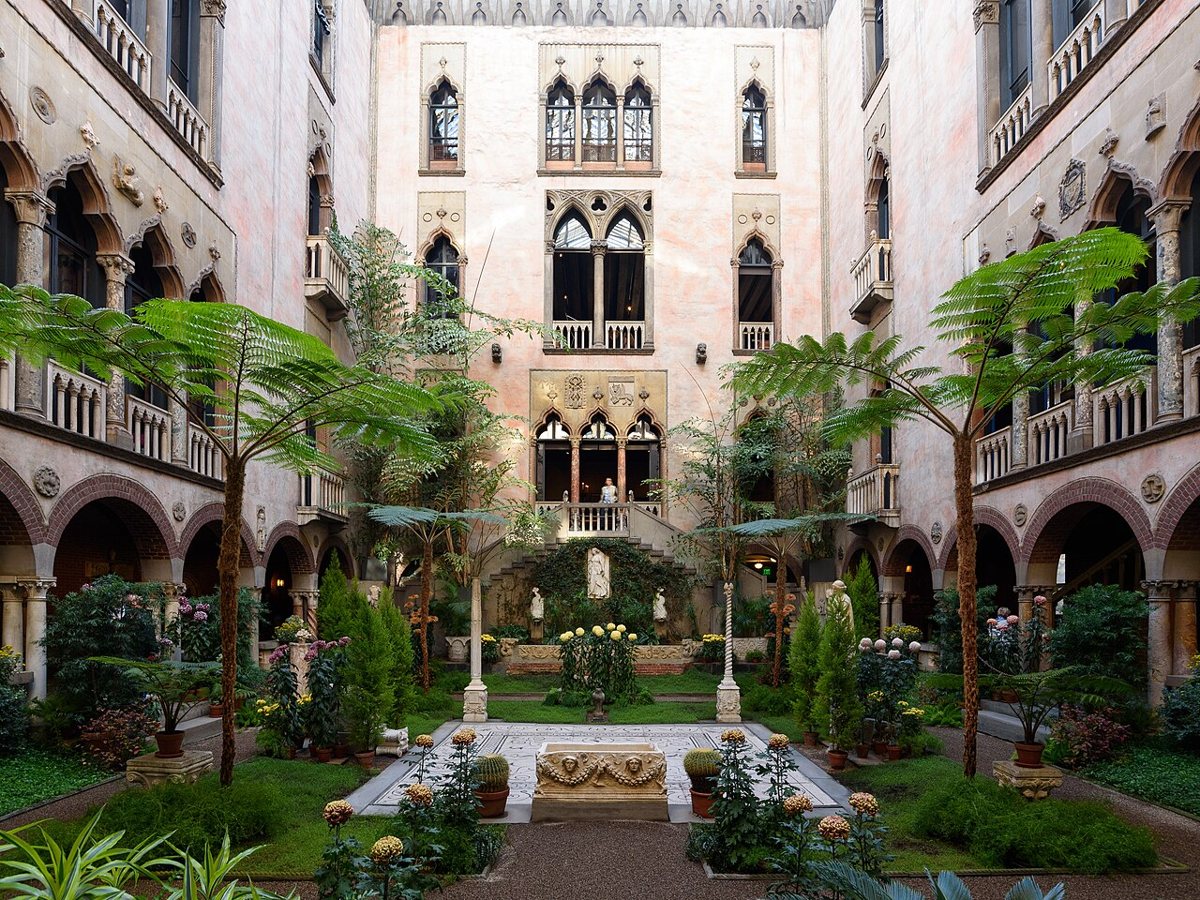
The nasturtiums in the courtyard of the Isabella Stewart Gardner Museum, one of the best museums in Boston, get pulled and replanted four times a year, a ritual that has outlasted most of that building's modern history. Upstairs, a guard still walks a route past two empty frames, spots where a Vermeer and a Rembrandt hung until March of 1990, when two men dressed as police officers talked their way in and walked out with thirteen works that have never surfaced. Gardner's will requires the frames to stay exactly where the paintings used to be, and nobody has found a workaround. It's the kind of story that comes up fast the moment anyone starts arguing about where to spend an afternoon here.
That empty-frame detail surfaces within thirty seconds of any conversation about where to spend a museum day here, because it captures something true about this town: real stakes, real history, not much patience for gloss. Boston has an unusual density of serious museums for a city its size, partly because of the money that came through shipping and textiles in the nineteenth century, partly because a cluster of research universities keeps feeding new collections and new funding into the mix. This guide runs the same way it would if you asked a longtime local over coffee, not the way a rental-car brochure would. It covers the art museums, the science and family stops, the house museums and one-room oddities an editor from Jamaica Plain would actually send you to, and the Cambridge institutions that count as Boston even though they sit across a river with their own zip codes and their own opinions about it. None of these get graded on hype. They get graded on whether the trip across town was worth it.
Best Museums in Boston for Art Lovers
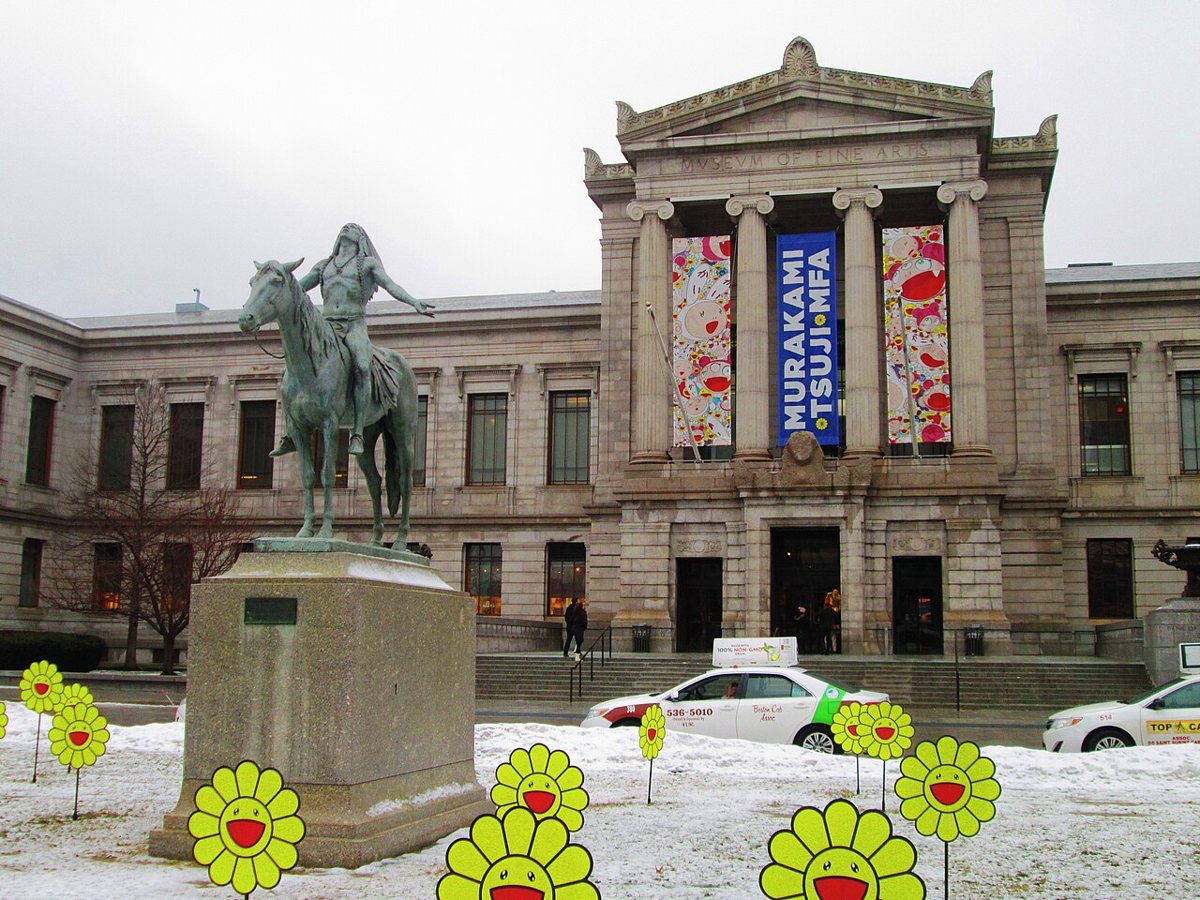
The Museum of Fine Arts sits on Huntington Avenue in the Fenway, close enough to the Longwood medical complex that you'll share the sidewalk with hospital scrubs at lunchtime, and it is simply too large to see honestly in one visit. People try anyway and leave exhausted. The smarter move is to pick two or three wings and let the rest go: the Art of the Ancient World galleries, the Monet holdings that rival what you'd find in Paris, the American wing with Copley's Revolutionary-era portraits, or the Japanese and Chinese collections that rarely get their due in write-ups obsessed with the European rooms. Weekday mornings run thinner than weekend afternoons, and the museum's own café and courtyard give you a real reason to linger instead of speed-walking the last few galleries out of fatigue. The museum also runs a members' hour before public opening on certain mornings, and evening hours a couple of nights a week that cut the daytime crush considerably, check current policy for which days apply when you're planning around it. Locals tend to buy the annual membership after their second or third visit, once the math of individual tickets stops making sense.
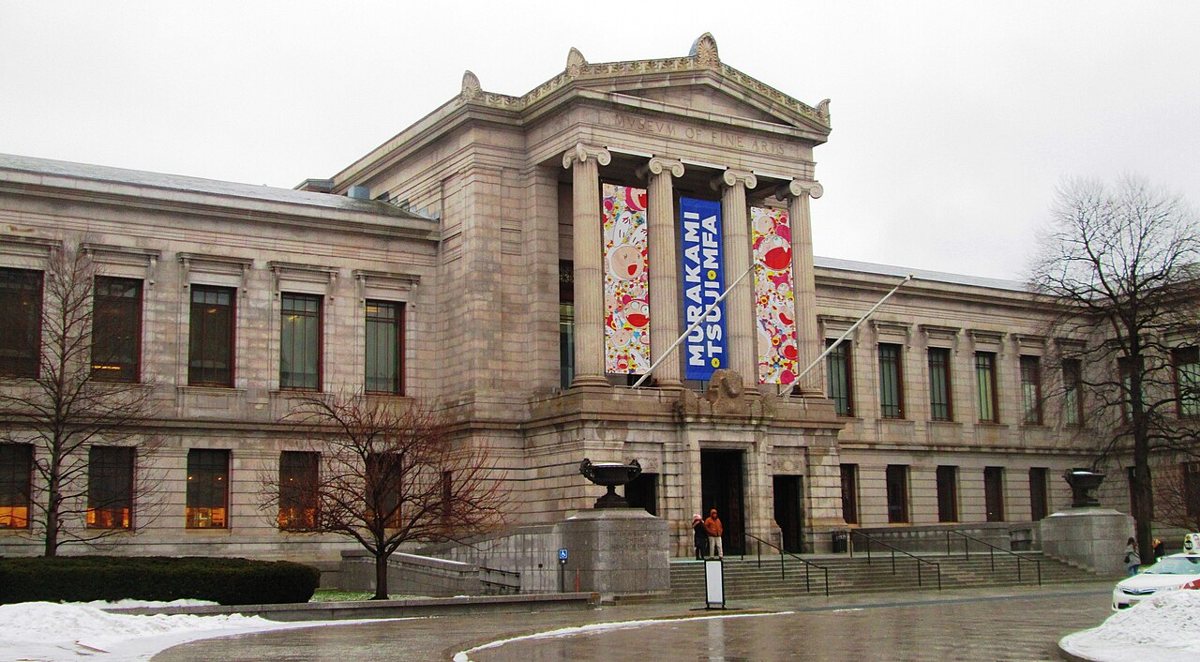

The Isabella Stewart Gardner Museum sits a short walk from the MFA, and it operates on a completely different logic. Gardner built the place as a Venetian-style palazzo around a glassed courtyard and arranged her collection herself, by eye, mixing a Titian with a chair with a fragment of textile with no interpretive labels to explain the choices. Her will froze the arrangement in place, which is why the museum still feels like a wealthy, opinionated person's house rather than an institution, and why those empty frames from the 1990 theft still hang where the paintings used to be. The newer wing, added in 2012, holds temporary exhibitions and a performance hall, but the old palazzo is the reason to come. Go on a weekday if you can. The courtyard gets loud with school groups by midday on weekends. Anyone with the last name Isabella gets in free on their birthday, a promotion that has been running for years and that regulars still bring up like it's insider knowledge, though it's printed right on the museum's own site. The palazzo's upper floors keep a hushed, almost residential quiet that the newer wing doesn't try to match, and it's worth sitting on one of the courtyard benches for ten minutes before you start moving through the galleries in earnest.

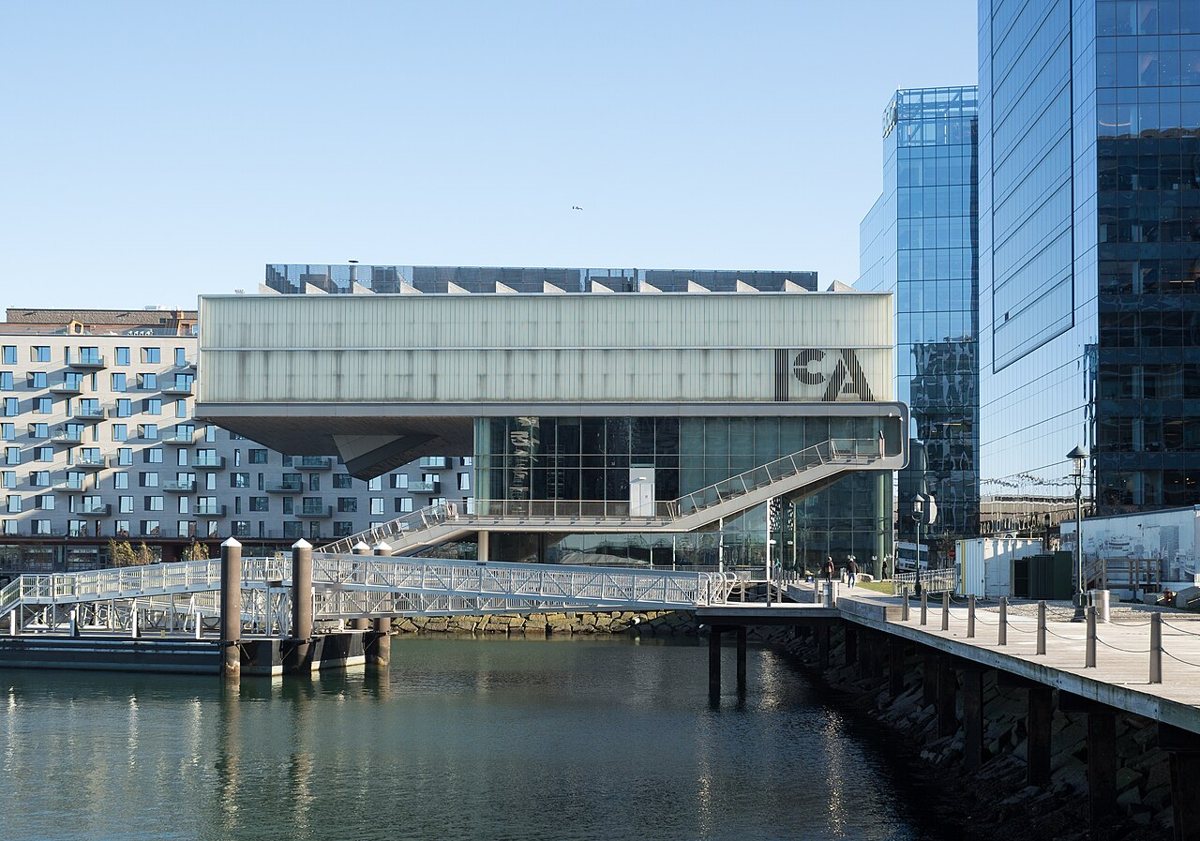
The Institute of Contemporary Art moved to the Seaport waterfront in 2006 and the building itself, a cantilevered glass box hanging over Boston Harbor, still draws people who have no plan to look at art once they're inside. That's fine. Go for the building and stay for the shows, which rotate on a schedule tied to living artists rather than a permanent collection of dead ones, so what you see one season won't be there the next. The harborside deck alone is worth the walk from the Silver Line stop, and the museum runs free days and discounted evenings that make it one of the easier institutions to hit on a budget, check current policy before you go since these programs shift. Seaport itself has gentrified hard and fast, glass towers and expensive lunch spots, which the ICA both benefits from and slightly floats above. The museum's Watershed space, a separate warehouse venue across the water in East Boston, opens seasonally for large-scale installation work that wouldn't fit in the main building, so it's worth checking what's on before assuming the harbor building is the whole story.

Science and Family Museums Worth the Trip
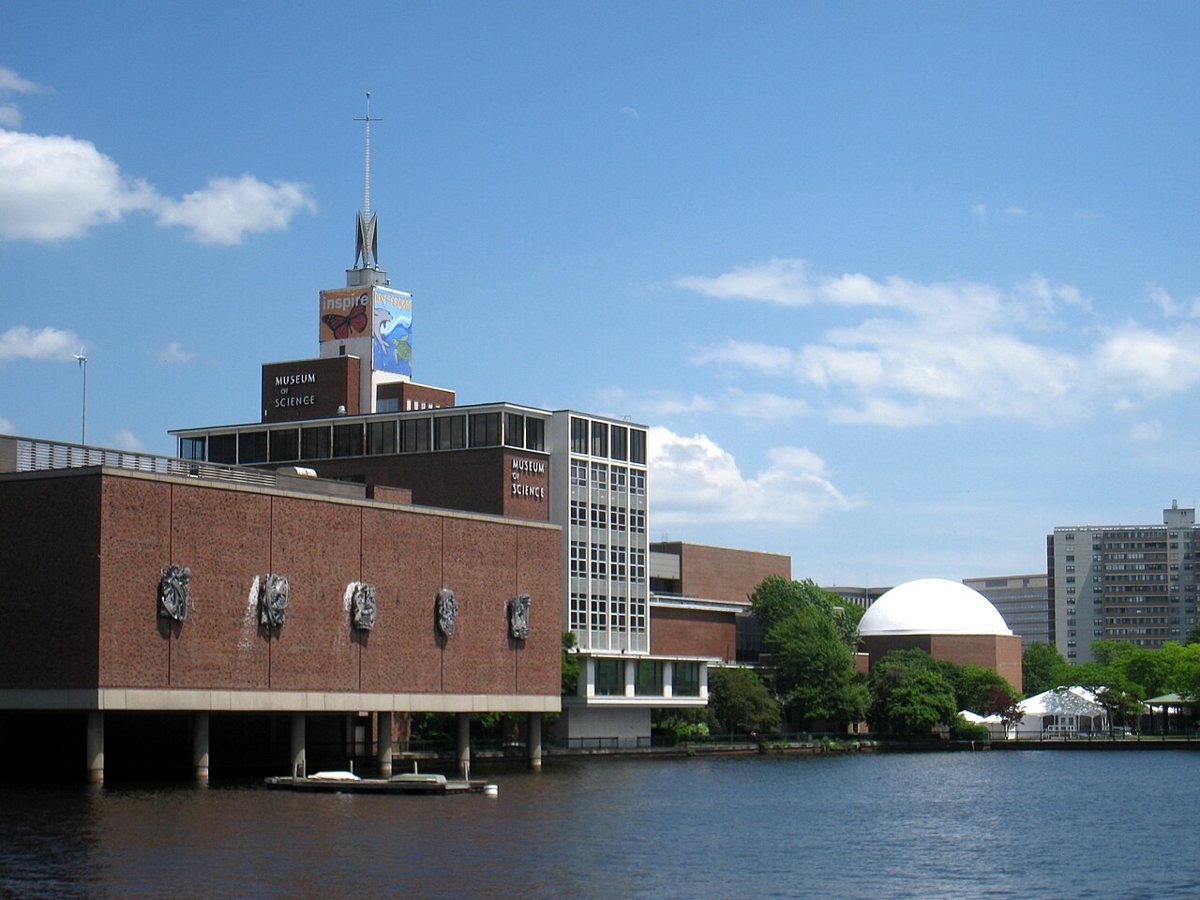
The Museum of Science straddles the Charles River Dam between Boston and Cambridge, which makes it one of the only major institutions here that genuinely belongs to both cities at once. It's an old-school science museum in the best sense, heavy on hands-on exhibits, a live lightning demonstration in the Theater of Electricity, a planetarium, and an Omni theater, built for school field trips but genuinely engaging for adults who show up without kids. The dinosaur skeletons and the human body exhibits draw the biggest crowds, so if you're coming without a school group in tow, aim for opening hour or the last two hours before close. Parking is expensive and the T stop, right at the museum's own station, is the better call almost every time. The Charles River Basin views from the museum's back windows are underrated, and the butterfly garden and live animal center tend to get overlooked by visitors racing toward the bigger-name exhibits. Membership here works out cheaper than a second visit for most families within a year, and reciprocal science-museum networks can extend it further if you're the type to plan ahead.

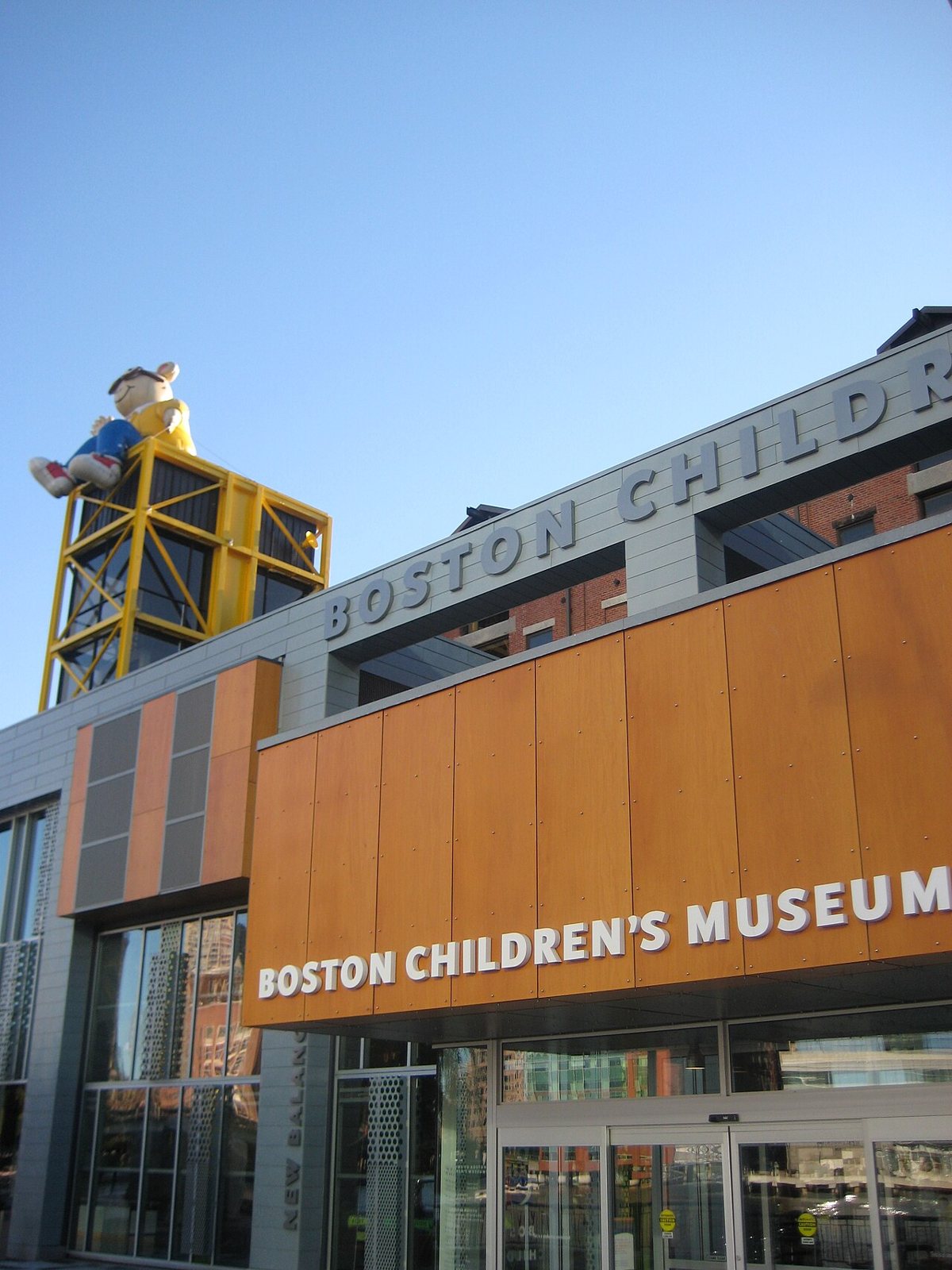
Boston Children's Museum sits on Fort Point Channel near the Seaport, in a converted wool warehouse with a giant milk bottle parked outside that's been a neighborhood landmark for decades. It's built for kids roughly ten and under, with climbing structures, water tables, and a full-scale recreated Japanese house donated by the city of Kyoto, but the design rewards adults who pay attention too. Weekday mornings are calmer than weekends, and the museum runs a reduced-admission evening slot a few nights a week that locals with young kids treat like an open secret, check current policy for the exact hours. Fort Point itself, once industrial, now holds art studios and design firms tucked into the same brick buildings, and an open-studios weekend each fall lets visitors wander into working artist spaces a few blocks from the museum. Stroller traffic here can back up fast in the main atrium on rainy Saturdays, so a rainy weekday is the better play if your schedule allows it.

History, Housed in Actual Boston Buildings
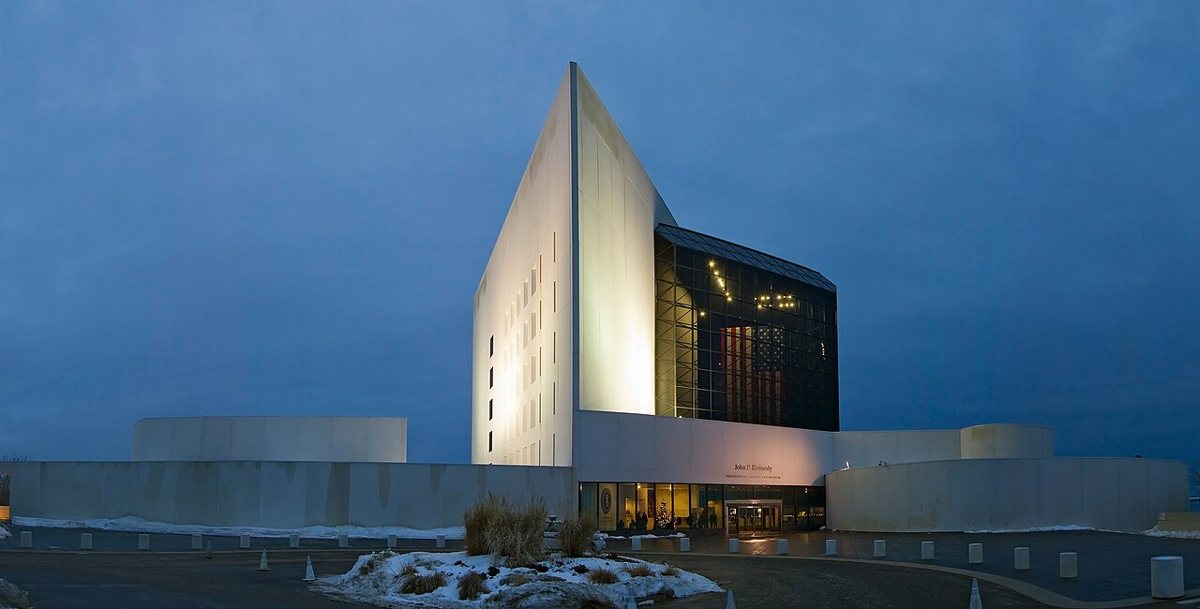
The John F. Kennedy Presidential Library and Museum sits on a point of land in Dorchester, at UMass Boston, with the harbor on three sides and a building designed by I.M. Pei that looks better in person than in photographs. The exhibits move chronologically through the Kennedy campaign and administration, heavy on original television footage and campaign artifacts, and the museum does not shy away from the assassination or from the family tragedies that followed it. It's a genuine trek from downtown without a car, best reached by the JFK/UMass Red Line stop and a free shuttle bus, so build in extra time. Dorchester itself gets skipped by most visitor itineraries entirely, which is a mistake locals have stopped bothering to correct. The building's glass pavilion, jutting out toward the water, was one of Pei's earlier American commissions and set the tone for the sharper geometric work he'd become known for later. Bring extra time for the harbor views alone, and don't rush the ride out; the Red Line trip through Dorchester is a decent introduction to a neighborhood most guidebooks flatten into a single line.

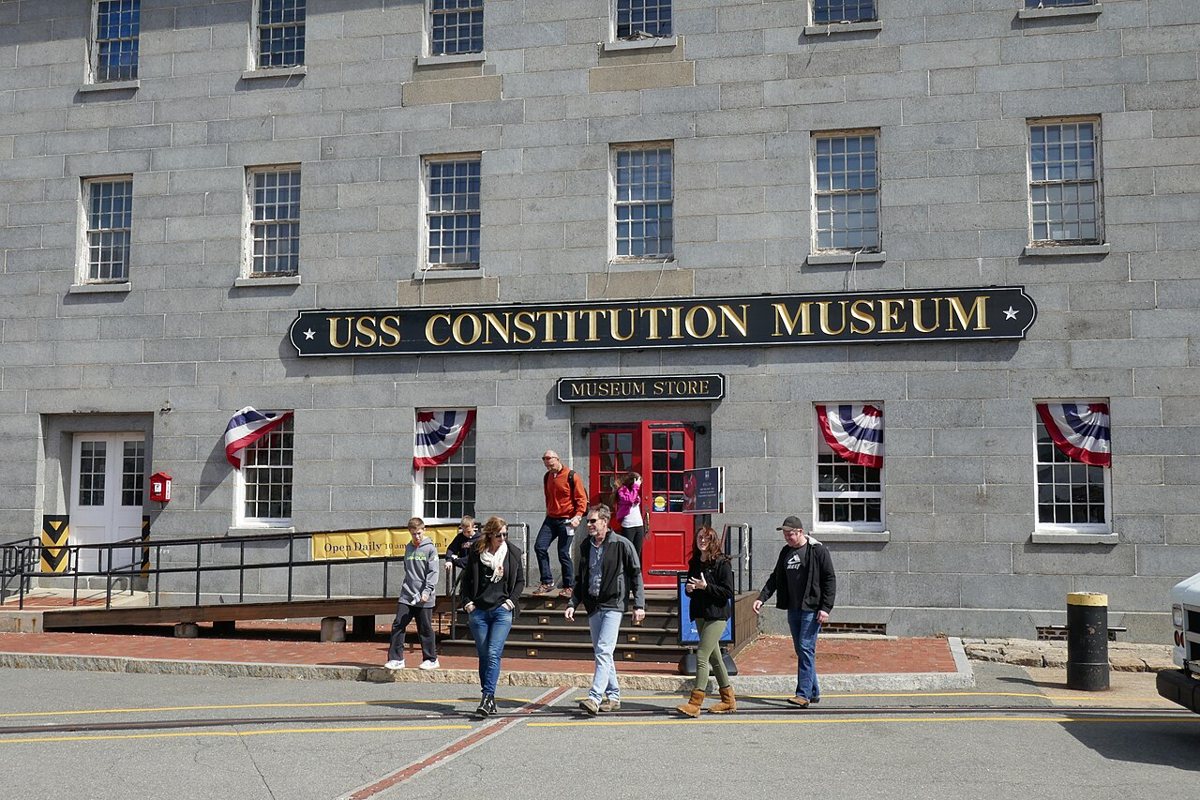
The USS Constitution Museum sits in Charlestown Navy Yard, next to the actual USS Constitution, the oldest commissioned warship still afloat, which you can tour separately and for free. The museum itself covers the ship's construction, its War of 1812 service, and the ongoing restoration work that keeps a 200-plus-year-old wooden vessel seaworthy, with hands-on stations that let kids haul on rigging and load a mock cannon. Charlestown gets folded into Freedom Trail itineraries constantly, and while the trail brings tourist volume through the Navy Yard, the museum and ship are worth separating from that framing entirely. Come by water shuttle from Long Wharf if you want the approach the sailors themselves would recognize, or walk it from North Station. The Navy Yard around it still has working piers and a genuine sense of place, not just a preserved backdrop, and the walk over the Charlestown Bridge on foot gives you one of the better skyline views in the city without a ticket required.

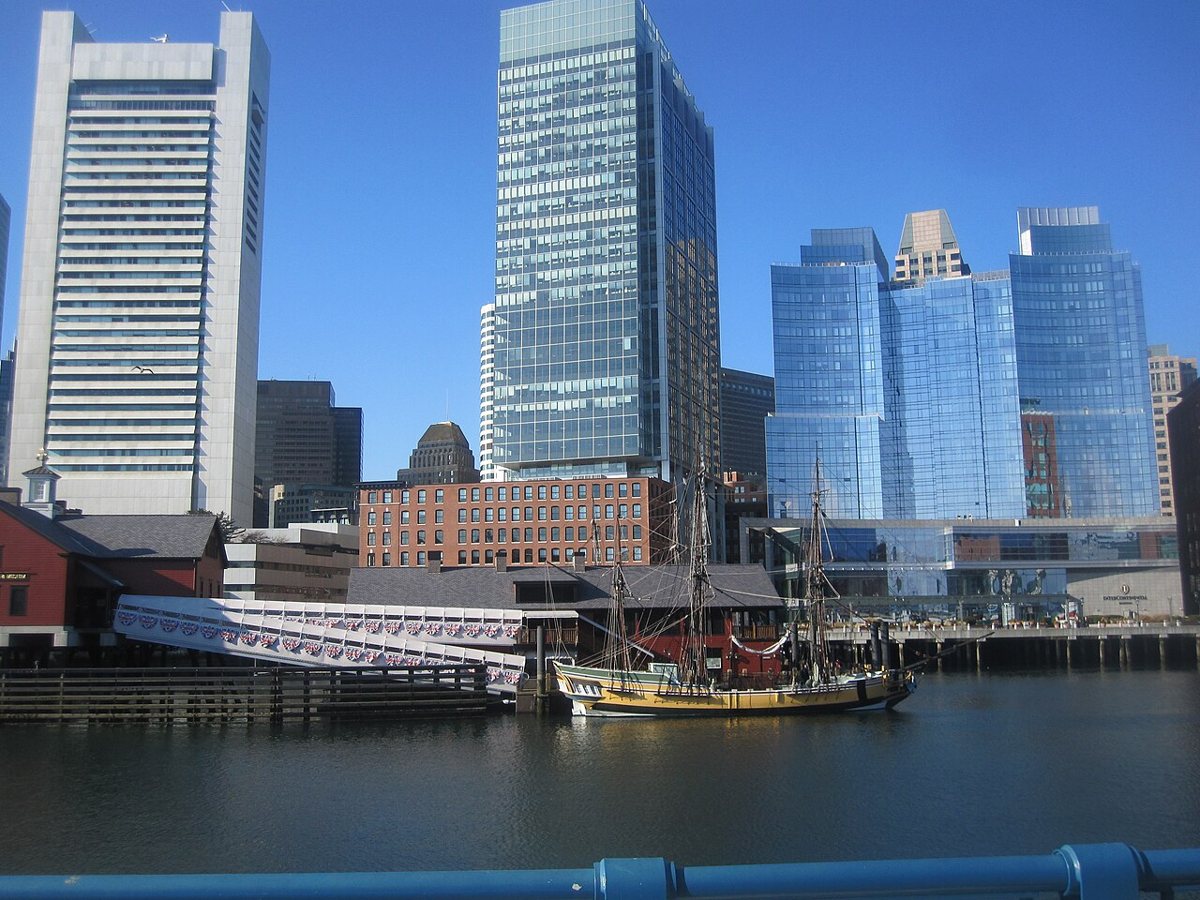
The Boston Tea Party Ships & Museum sits on the Congress Street Bridge downtown, floating reproductions of the Beaver and the Eleanor moored where the actual 1773 protest happened. It runs closer to living history than a traditional museum, with costumed interpreters walking you through the lead-up to dumping the tea and a reenactment you can take part in, tea chests and all. It's aimed squarely at families and out-of-towners, and it knows it, but the harbor setting is real and the story underneath the theater is the actual event, not a recreation built somewhere convenient. Go earlier in the day before tour groups arrive, and don't expect subtlety. Congress Street around it sits between the Financial District and the Seaport, an odd seam of a neighborhood that most walking tours pass through without stopping, which makes the museum feel a little more like a discovery than its tour-bus traffic would suggest.

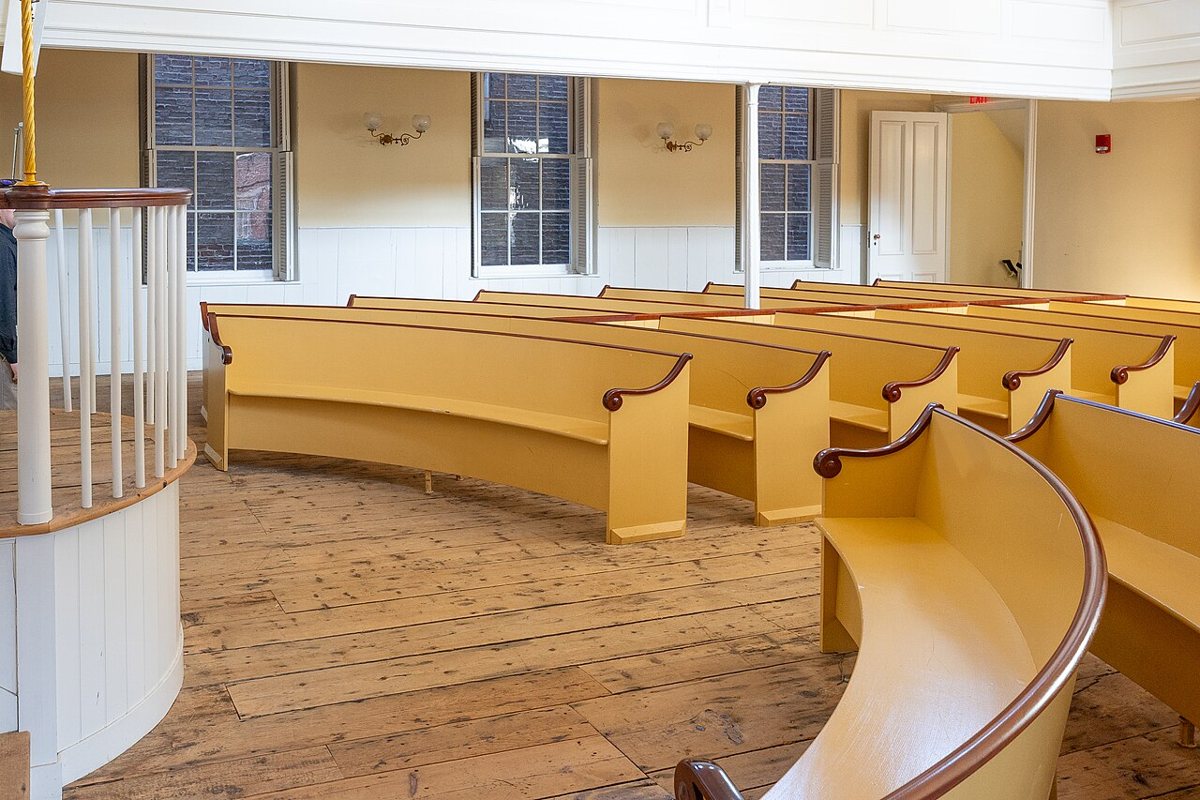
The Museum of African American History occupies two historic buildings on Beacon Hill, the African Meeting House and the Abiel Smith School, both central to Boston's role in abolition and to the free Black community that built the north slope of the Hill in the nineteenth century. The Meeting House is the oldest surviving Black church building in the country and hosted abolitionist speakers including Frederick Douglass. The museum is small, more like visiting two preserved rooms than touring a sprawling institution, and that scale is the point: it puts you inside the actual space rather than a reconstruction. Beacon Hill's cobblestones and gas lamps get plenty of postcard attention; this is the part of that neighborhood's history postcards tend to leave out. The museum also runs Black Heritage Trail walking tours through the surrounding streets, connecting the Meeting House to other sites tied to the free Black community that lived on the Hill's north slope, and pairing the building visit with that walk gives the whole neighborhood a different shape than the usual antique-shop version of Beacon Hill.

Cambridge Counts Too
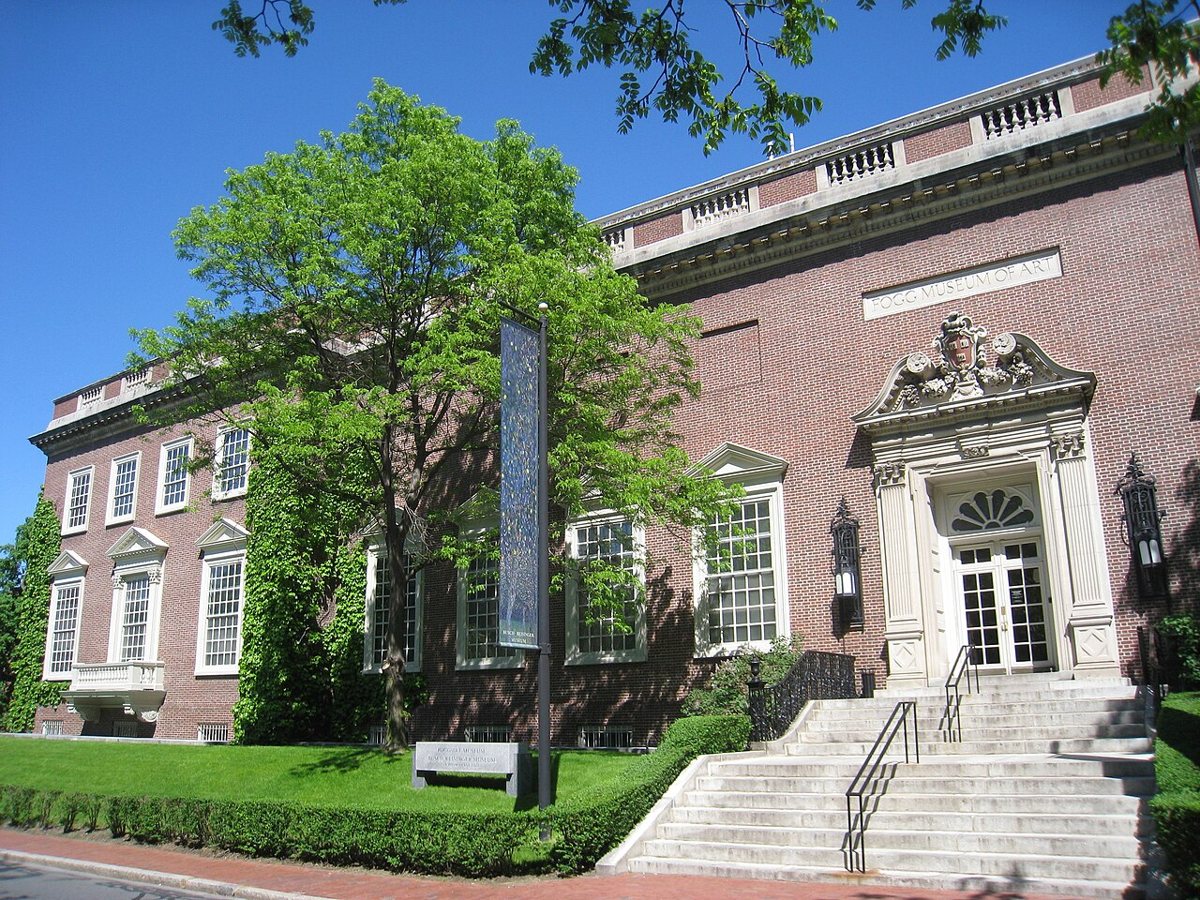
The Harvard Art Museums consolidated three separate collections, the Fogg, the Busch-Reisinger, and the Arthur M. Sackler, into one Renzo Piano-renovated building on Quincy Street, and the result is genuinely one of the strongest university art collections anywhere, not a lesser stand-in for the MFA across the river. The glass-roofed courtyard at the center of the building is worth the visit on its own, and the collection ranges from Buddhist cave temple art to Bauhaus material to a strong run of European painting. Harvard undergrads treat the place as a study spot as much as a gallery, which tells you something about how unpretentious it actually feels once you're inside, university name aside. Admission has historically been free or low-cost for the general public on a regular basis, which sets it apart from most museums of its caliber, though it's worth confirming current policy before you plan the trip specifically around that. Cambridge in general moves at a slower pace than downtown Boston on weekday afternoons, and this stretch of Quincy Street is a decent place to feel that difference firsthand.

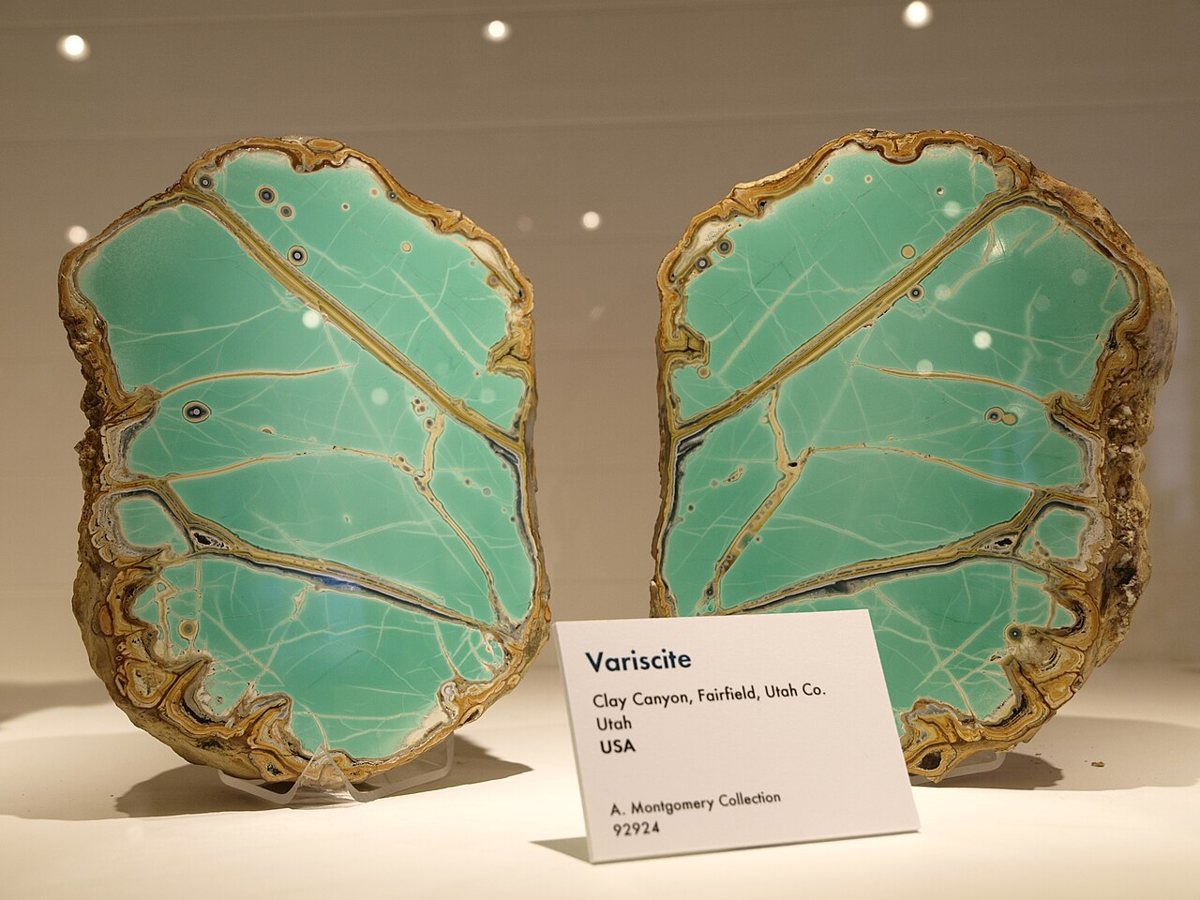
The Harvard Museum of Natural History sits a few blocks from the art museums and holds one of the odder must-sees in the region: the Glass Flowers, a collection of over 4,000 botanically exact glass models made by a father-and-son team of glassblowers over five decades starting in the 1880s. Beyond that, the museum runs through mineralogy, meteorites, and a well-stocked hall of taxidermied mammals that has been scaring and delighting Cambridge schoolchildren for generations. It connects internally to the Peabody Museum of Archaeology and Ethnology, so a single ticket often covers more ground than the building's footprint suggests. It draws a steadier, less touristy crowd than the big Boston institutions, useful if you want a museum morning without a line. Kids tend to remember this one longer than they remember the flashier science-center exhibits across the river, probably because the Glass Flowers genuinely look impossible until you're standing in front of them and still can't quite believe they're glass.

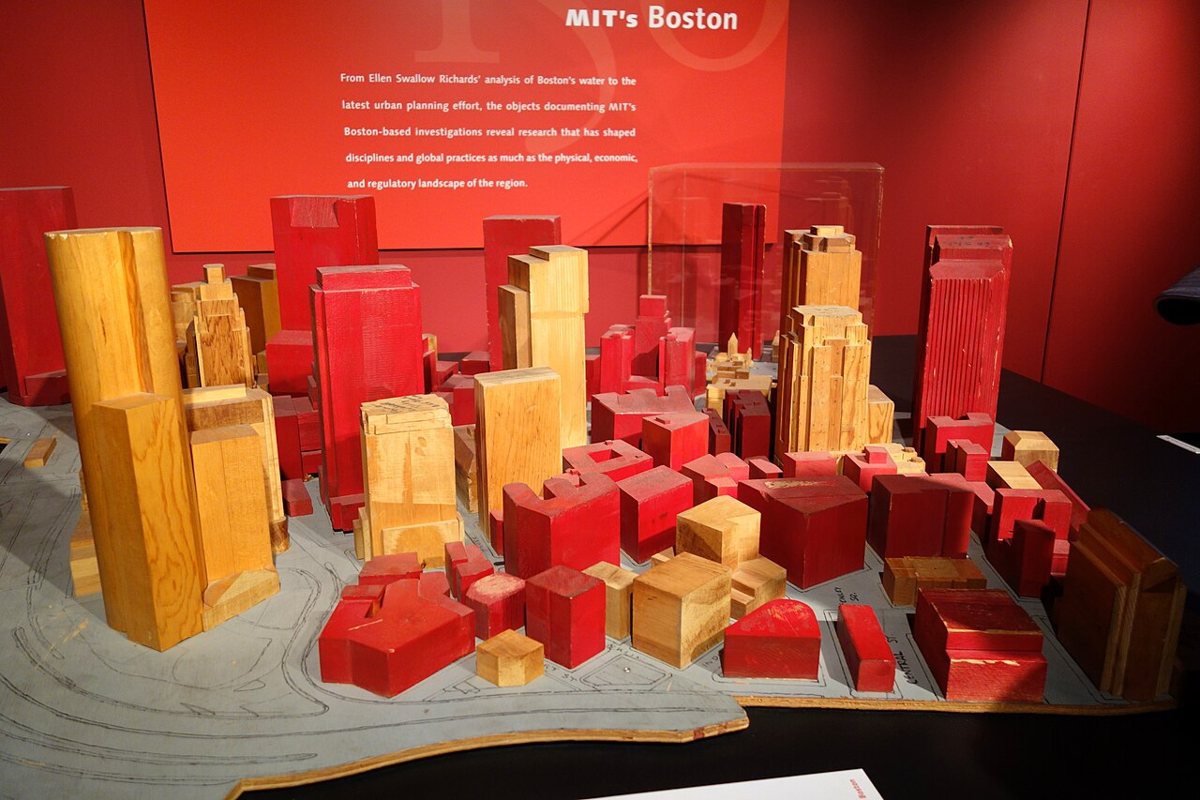
The MIT Museum relocated a few years back to a new building on Massachusetts Avenue near Kendall Square, and it plays a different game than the Harvard institutions across town: less about historical collections, more about what's actually being built down the hall in MIT's labs right now. Robotics, artificial intelligence displays, holography, and a kinetic sculpture collection sit alongside a genuinely funny hall of hacks, the pranks MIT students have pulled on their own campus over the decades, including a police car that once appeared on a building dome. Kendall Square around it has become one of the densest biotech and software corridors on the planet, so the museum's tone, playful but technically serious, fits its neighborhood exactly. It's smaller than the Museum of Science and shouldn't be confused with it. Expect an hour and a half here rather than a full day, and pair it with a walk through Kendall Square itself, where the ground floors of biotech office towers have quietly filled up with decent coffee shops and casual restaurants over the past decade.

The Small Ones and the One Worth Leaving Town For
A handful of smaller stops don't need full write-ups to earn a place on this list. The Nichols House Museum on Beacon Hill preserves a single Federal-style townhouse exactly as its longtime resident, landscape designer Rose Standish Nichols, left it, and touring it feels like being let into a private home rather than a museum, because for decades it essentially was one. The Mapparium, inside the Mary Baker Eddy Library in the Christian Science Plaza in Back Bay, is a three-story stained-glass globe you walk through on a glass bridge, showing the world's borders as they stood in the 1930s, acoustics included, a room that photographs well but plays even stranger in person. Neither takes more than an hour, and both reward the kind of visitor who's already hit the big names and wants something odder. Both run on limited public hours compared with the major institutions, so check current tour schedules before building a day around either one, and both work best as a second or third stop rather than the anchor of your afternoon.
If you're willing to leave the city for a half day, the Peabody Essex Museum in Salem is the one worth the drive or the commuter rail ticket. It grew out of a maritime and East India trade collection assembled by Salem sea captains in the 1700s and has expanded into Asian export art, American decorative arts, and contemporary exhibitions that punch well above what a city of Salem's size would suggest it could support. Pair it with a walk through Salem's actual historic waterfront, not just the witch-trial tourism the town is better known for, and you've got a full day out that starts in the city and ends somewhere else entirely. The commuter rail ride from North Station runs a little over half an hour, cheaper and calmer than driving up Route 1A on a summer weekend when Salem traffic backs up for miles.
Getting There, Timing It Right, and What It Actually Costs
Nearly everything on this list sits on or near an MBTA line, and driving into any of these neighborhoods on a weekend afternoon is its own punishment, so default to the T unless you have a specific reason not to. Cabs and rideshares work fine but cost more than they should for what's usually a short trip, and most of these neighborhoods are easier to reach by rail than the driving directions suggest. A few practical notes worth carrying with you:
- The Green Line's E branch drops you close to the MFA and the Gardner; the Silver Line serves the ICA and the Seaport museums directly.
- The Red Line covers Cambridge, with stops near Harvard Square and Kendall Square putting you within walking distance of the Harvard and MIT museums.
- Many public libraries in the region participate in museum pass programs that grant free or discounted admission to a rotating list of institutions. Check current policy and availability through your local library system before assuming a pass covers a specific museum on a specific day.
- Several museums run free or reduced-admission days or evening hours on a recurring schedule. These change often enough that quoting specifics here would be wrong within a year, so check current policy directly with each museum before you plan around it.
- Weekday mornings beat weekend afternoons almost everywhere on this list. School vacation weeks in Massachusetts push crowds up sharply at the family-oriented museums in particular.
- Some museums, including several on this list, offer discounted or suggested-donation admission during specific windows for Massachusetts residents or EBT cardholders. Check current policy on each museum's own site rather than assuming a blanket rule across institutions.
- Winter brings smaller crowds almost everywhere except the Museum of Science and the Children's Museum, which fill up on school vacation weeks regardless of the weather outside.
None of these museums need defending against each other, and the instinct to rank them into a single ordered list mostly serves listicles rather than actual visitors. The MFA and the Gardner do different jobs. The ICA is not competing with either. Cambridge isn't a suburb of this conversation, it's half of it, and treating the Charles River as a hard border does a disservice to what Harvard and MIT have built a few stops up the Red Line. Pick based on what you actually want that day, an afternoon among Sargent portraits, a kid-proof morning at the Museum of Science, an hour inside a stained-glass globe nobody warned you about. Grab dinner after in whichever neighborhood you ended up in, and go back for the museum you skipped. Out-of-towners tend to arrive with a list built from national rankings and leave having actually enjoyed the smaller stop nobody warned them about, the Nichols House or the Mapparium or a quiet Tuesday at the Harvard museums, more than the flagship they came for. That's not a knock on the MFA or the Gardner. It's just how this city tends to reward people who slow down and wander a little past the obvious stops.