Best Coffee Shops in the North End: The Local Guide
The narrow streets run on espresso and stubbornness, and the neighborhood's real coffee order has nothing to do with a punch card.
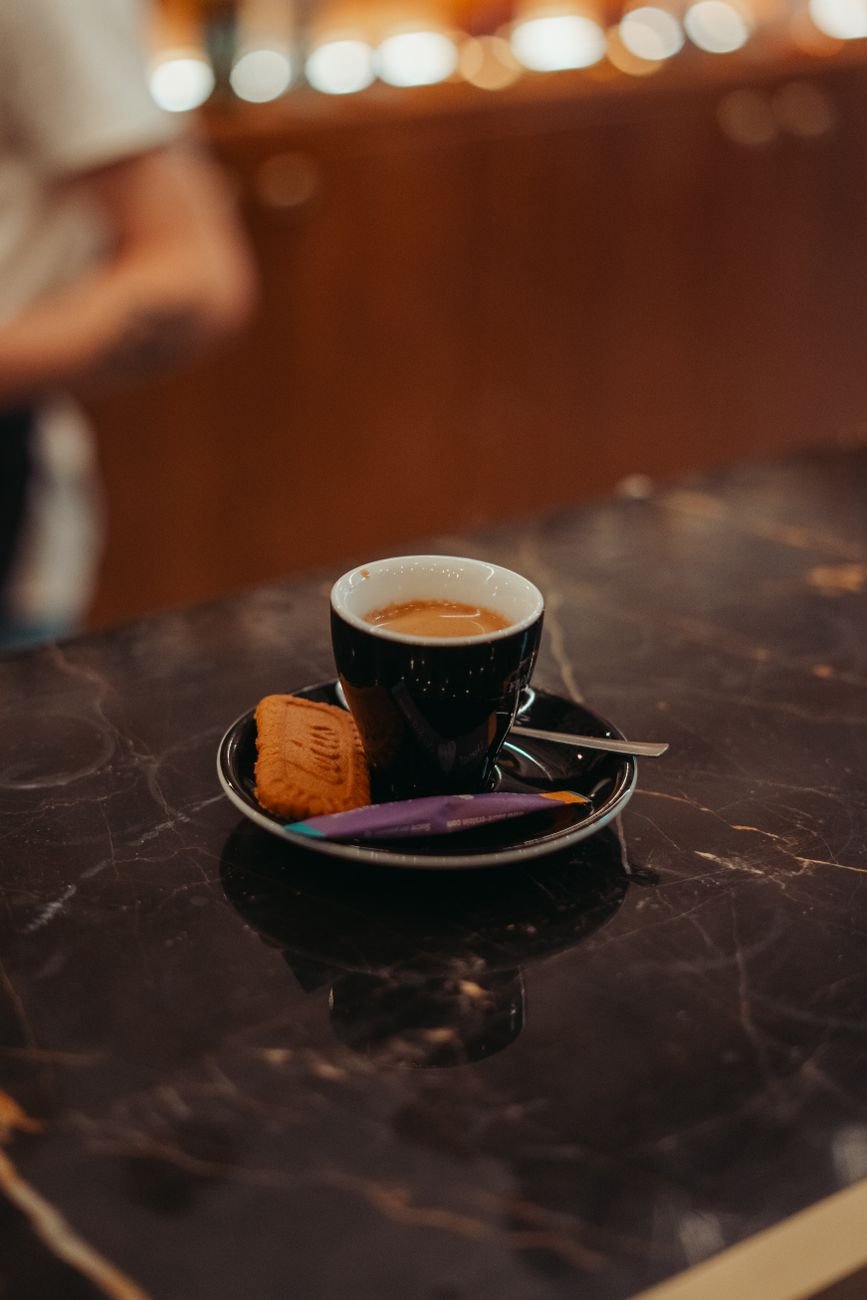
Walk down Hanover Street before eight in the morning and the light comes in low and flat between the buildings, catching the steam off espresso cups pulled at counters too narrow to seat more than four people at once. This is where you find the best coffee shops in the North End, and almost none of them look like anything a chain would design. Most are storefronts the size of a walk-in closet, marble counters worn smooth by decades of forearms, a percolator hiss under every conversation happening in two languages at once. Nobody is rushing, exactly, but nobody is lingering over a laptop either. There's a rhythm to it that took the neighborhood a century to work out, and it still runs on its own clock.
The streets themselves do half the work. Hanover is the spine, wide enough for delivery trucks and church processions, lined with the bakeries and cafes that most visitors picture when they hear North End. Salem Street, one block over, is narrower and less photographed, the kind of street where a coffee counter sits between a butcher and a shoe repair shop and nobody's bothered to put a sign in English. Wander off either one and the side streets get quieter fast, laundry over the sidewalk, a card table of old men arguing about something that isn't your business. That's where the neighborhood actually keeps living, coffee included.
The two traditions behind the best coffee shops in the North End
There are really two kinds of coffee shop here now, and pretending otherwise does the neighborhood a disservice. The first is the old-school Italian cafe, some of them open since before your grandparents were dating: espresso pulled short and strong, cappuccino served without apology for the foam, pastry cases stacked with cannoli filled to order and sfogliatelle in their ridged, flaky shells. These places built their reputation on consistency, not novelty. The espresso tastes the same way it tasted twenty years ago because that's the point.
The second kind arrived more recently: third-wave shops with single-origin pour-overs, oat milk on the board without being asked, baristas who can tell you where the beans were grown. They've opened alongside the old guard rather than replacing it, mostly on the edges of the neighborhood where rents bend a little and a younger crowd has moved in. The two traditions don't really compete. They serve different mornings. Some days you want a jolt and a pastry standing at a marble counter. Other days you want to sit with a laptop and a flat white for an hour, and the North End now has a place for both moods within a five-minute walk.
What to order without embarrassing yourself
- Espresso, straight, if you're standing at the bar and moving on with your day.
- Cappuccino before noon, not after, if you care what the counter staff think of you.
- Cannoli filled fresh rather than pre-filled and sitting in the case; ask if you're not sure.
- Sfogliatelle if you want something flakier and less sweet than cannoli, best eaten immediately and messily.
- A cortado or flat white at the newer shops if you want something closer to what you'd get in a third-wave cafe anywhere else in the city.
Standing at the bar versus finding a seat
The old cafes were built around the counter, not the table. You order, you drink your espresso in two or three sips standing up, you leave. It's not rudeness, it's efficiency, and there's something to be said for a coffee ritual that takes ninety seconds and doesn't involve a screen. A few of the old-school spots do have a handful of tables in back or a bench by the window, useful if you've got a cannoli that needs sitting down for. The newer shops flip that arrangement: seating is the point, counters are for ordering only, and you can hold a table for an hour without anyone raising an eyebrow. Knowing which kind of place you've walked into before you order saves everyone some confusion.
Morning rhythms and when to go
The neighborhood's coffee culture runs early. Bakers and cafe staff are often up before dawn, and the old-school spots hit their stride between seven and nine, when locals headed to work stop for something fast and the counter crowd is mostly Italian being spoken over the espresso machine. By midmorning the tourist traffic picks up, heavier on weekends, heavier still once people start filtering through on their way to a walk through the neighborhood. If you want the place to feel like it belongs to the people who live there, go early. If you want to sit and read for an hour without feeling rushed, the newer shops handle a slow late morning better than the old ones do.
Where to look, street by street
- Hanover Street: the highest concentration of long-running Italian cafes, easiest to find, busiest by midday.
- Salem Street: quieter, more mixed with everyday shops, worth the extra block for a slower pace.
- The side streets off both: fewer options, but the ones you find tend to serve the immediate neighborhood rather than foot traffic, which usually means better coffee and worse hours.
None of this requires a plan, exactly. The North End rewards wandering more than research, and a good coffee stop is often just the place that smelled right when you walked past. Pair it with a proper Italian dinner later and you've got the two halves of the neighborhood's food identity in one day, espresso in the morning and red sauce at night, both older than most of the people arguing about where to get either.
The real takeaway is simpler than any ranked list makes it sound. The best coffee shops in the North End aren't secret and they aren't hard to find. They're built into the walk itself, one on every other block, and the only real skill involved is slowing down long enough to notice which kind of morning you're having before you order.