Best Italian Restaurants in the North End, Tried and Tested
Hanover Street will take your money either way; here's how to make sure it's worth it.
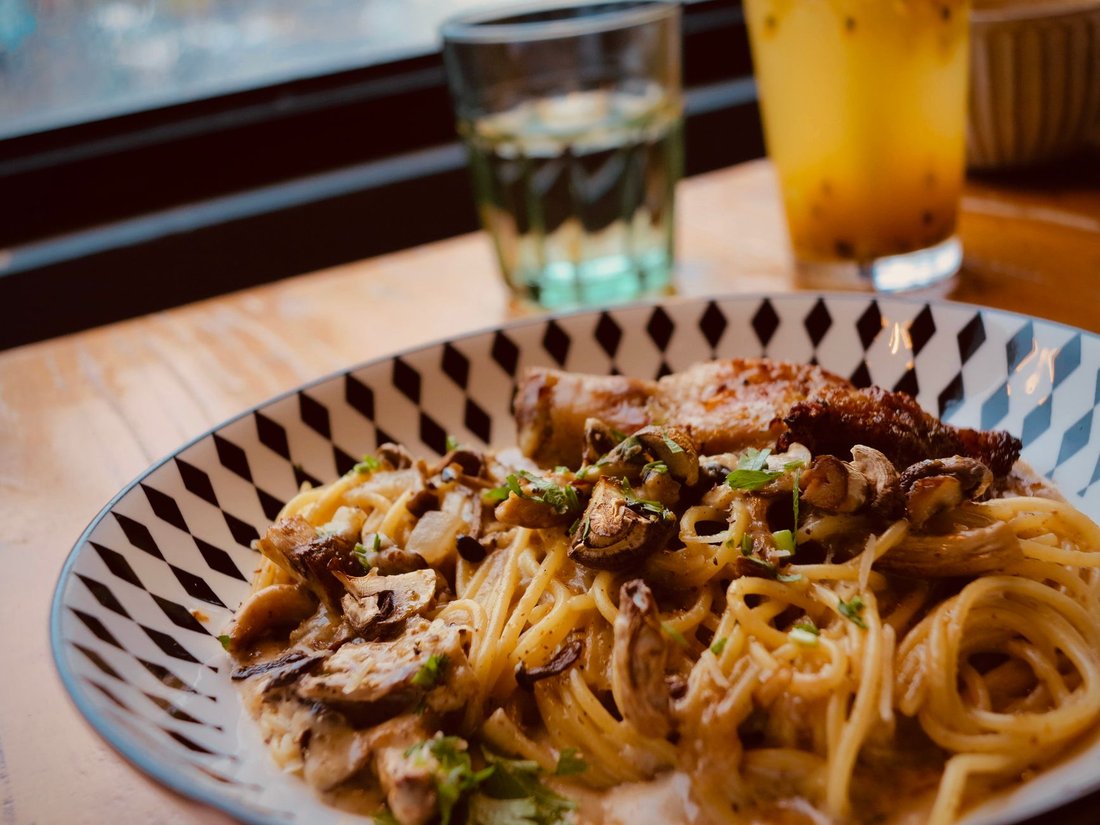
On a Friday night in October, the line outside a red-sauce institution on Hanover Street stretches past two parking meters and a couple arguing about whether they should have made a reservation. They should have. This is the North End at full tilt: narrow brick sidewalks, the smell of garlic and espresso cutting through the cold off the harbor, and roughly two dozen Italian restaurants competing for the same hungry foot traffic within about four square blocks. Figuring out the best italian restaurants in the north end is less about finding a needle in a haystack and more about learning which haystacks are worth your time.
How to Read the North End Before You Sit Down
Hanover Street is the spine, Salem Street is the local's slight relief valve, and the cross streets between them hold the spots that don't need to advertise. That geography matters. The restaurants with the loudest signage and the most aggressive hosts standing outside tend to serve the most predictable food. Serious kitchens let the room do the talking.
A few things to clock before you commit to a table. Look at who's eating there. If it's exclusively tourists in Red Sox gear and the menu has photographs, you have your answer. If there are Italian-American families from East Boston or Revere at the next table, or if the server rattles off half the specials in a cadence that suggests she's been doing this for thirty years, those are better signals than any review aggregator.
Check whether pasta is made in-house. You don't always have to ask. Sometimes you can see the drying rack through an open kitchen, or the menu will note it. Dried pasta isn't a moral failing, but a kitchen that rolls its own dough has made a choice about what it cares about. The texture difference in a hand-rolled pappardelle versus a boxed version under the same Bolognese is not subtle.
The Best Italian Restaurants in the North End Aren't All Doing the Same Thing
People talk about "Italian food" in the North End as if it's a monolith. It isn't. The neighborhood's culinary DNA is heavily Southern. Sicilian and Neapolitan cooking dominated the immigration waves that built the community, which means a bias toward tomato, olive oil, capers, anchovies, and assertive seasoning. You'll find that tradition best honored in places that resist the temptation to sand down the edges for a broader audience.
Sicilian cooking, when it shows up, tends toward more structured, complex sauces, sweet and sour combinations, raisins with savory meat, pine nuts, a Moorish influence that most diners don't expect. Neapolitan cooking is bolder on the red sauce, simpler in its architecture, and more likely to give you something close to what the immigrants themselves would have eaten. Northern Italian cooking, the cream sauces, the risotto, the buttery register, is a different tradition entirely, and while good versions of it exist in the neighborhood, it's not where the North End's authenticity lives.
That distinction matters when you're ordering. A restaurant that does one regional tradition well is more trustworthy than one that tries to cover all of Italy on a single laminated card.
What to Order, and What to Skip
Clam dishes, linguine alle vongole especially, tend to be a reliable test. It's a technically simple preparation where the quality of the clams and the restraint of the cook are fully exposed. Over-salted, rubbery clams drowned in garlic butter are an immediate verdict. Properly cooked, they should open fresh and the broth should taste like the ocean with some white wine and good olive oil.
Osso buco, braised lamb, slow-cooked ragù: these are dishes where a kitchen shows whether it respects time. You can't rush a braise. A restaurant turning tables every forty-five minutes while serving braised dishes raises an obvious question about the math.
Skip the chicken parmesan at dinner unless you're at a place that's clearly built its identity around it. It's not that it's a lesser dish. It's that it gets used as filler menu content in places that aren't thinking hard about anything. At a place that actually cares, it'll be on the menu intentionally and executed with some conviction.
The bread service tells you something too. Fresh bread, good olive oil, maybe a small plate of something pickled, that's a kitchen paying attention to the full experience. A basket of the same supermarket rolls you'd find anywhere is a small but honest tell.
Bakeries and the Cannoli Question
The North End's bakery culture runs parallel to the restaurant scene and deserves its own category. Mike's Pastry and Modern Pastry are the two names everyone knows, and the cannoli debate between them has been a neighborhood argument for decades. Both are real and both have their loyalists. The more important point is that the North End's pastry tradition, the sfogliatelle, the lobster tails, the ricotta-filled anything, is worth treating as a destination in its own right, not an afterthought to dinner.
Walk Salem Street on a Saturday morning before the restaurant crowds arrive and you'll find a version of the neighborhood that actually functions like a neighborhood: people picking up bread, older men having coffee at the bar, the kind of ordinary Italian-American commercial life that the dinner rush can obscure.
Reservations, Timing, and the Practical Reality
Most North End restaurants are small. Tables of two fit into corners that tables of six cannot. Bringing a group means booking further ahead and accepting that your options narrow. For couples or solo diners eating at the bar, there's more flexibility.
Friday and Saturday evenings between 7 and 9 are the worst times to show up without a plan. Sunday dinner is often calmer and some kitchens are visibly more relaxed, which affects the food. Lunch service, where it exists, is frequently a better value and a more honest read on what a kitchen can do.
Avoid any restaurant that has a host standing on the sidewalk inviting you in. It's not that those places are always bad. It's that a restaurant confident in its product doesn't need to recruit foot traffic from the curb.
The North End rewards people who do a little homework and punishes people who just wander in hungry. the neighborhood's full dining picture takes more than one visit to learn, but you can eat very well on the first one if you resist the path of least resistance. The best meal you'll have there probably won't be at the place with the longest line or the most online reviews. It'll be at the spot where the server didn't hand you an English menu automatically and nobody asked where you were visiting from.