The North End Neighborhood Guide, Block by Block
How to walk Boston's oldest neighborhood without following the rope line, block by block, from the bakery smell at dawn to the last feast weekend of summer.
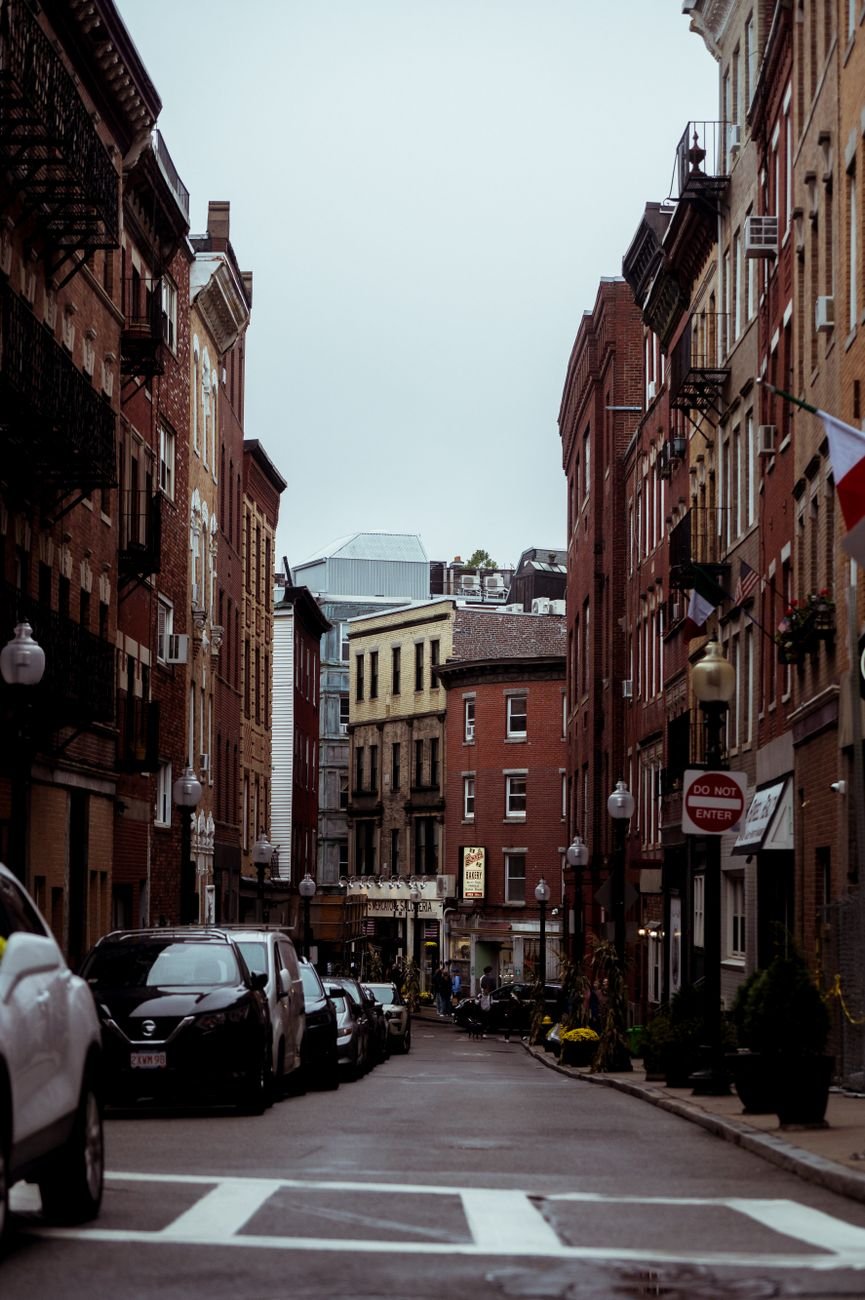
Six-thirty in the morning, before the tour groups show up, is when the North End actually smells like itself. Flour and browned butter drift out of the bakery vents on Hanover Street. The North End neighborhood guide that matters begins on a quiet early street like this one, not at the Freedom Trail markers. Someone is hosing down the sidewalk in front of a salumeria. An old-timer walks a small dog through streets so narrow two delivery trucks can't pass each other without one backing up. By ten, the Freedom Trail line has arrived, moving in a slow shuffle down the middle of the sidewalk, phones up, hunting for the same landmarks everyone told them to find. The locals cut down a side alley twenty minutes ago and are three blocks ahead. This guide is for the people walking behind them, not the ones in line.
The North End is the oldest continuously inhabited neighborhood in Boston, and it looks it. The street grid predates the automobile by a couple of centuries, which is why it still bends and narrows like it does, and why parking here is a small act of faith. It is also still, stubbornly, Boston's Italian-American quarter, even as rents have pushed some of the old families out to the suburbs and brought in a newer set of residents who commute downtown. Both things are true at once. Neither cancels the other out.
The North End Neighborhood Guide, Block by Block
Two streets carry most of the weight here. Hanover Street is the spine, wide by comparison, lined with the red-sauce restaurants that show up on every list a visitor's hotel concierge hands out. It is where the crowds concentrate, especially on weekend nights, and where a hostess stand can mean a forty-minute wait even in February. Salem Street runs a block or two over and carries less foot traffic and, frankly, more of the neighborhood's actual daily life: the butcher counters, the smaller bakeries, the shops that don't need a line out front to stay in business.
Hanover Street
Treat Hanover as the neighborhood's front porch, not its living room. It's where you get your bearings, where the pastry-counter debate that every North End regular has an opinion on plays out loudest, and where you'll do fine if you're willing to wait or eat a little earlier than you planned. Go before six on a Friday or Saturday and the food is the same; the wait isn't.
Salem Street
This is where you learn the difference between a neighborhood built for tourists and one that just happens to have tourists in it. Salem Street has its own bakeries and its own regulars, and asking a local where they actually buy bread will usually get you pointed here rather than to the block everyone's heard of. It's also narrower and quieter, which makes it the better street for actually looking up at the buildings instead of at the back of the head in front of you.
The Waterfront and the Greenway
Christopher Columbus Waterfront Park sits at the edge of the neighborhood, and it's worth the walk down for the harbor air alone, especially after a heavy lunch. On the other side, the Rose Kennedy Greenway has replaced the old Central Artery that once cut the North End off from downtown. It's an underrated shortcut and a decent place to sit if every bench on Hanover is taken, which in summer it usually is.
The Back Streets
The real neighborhood lives on the residential blocks off the main two streets, where laundry still hangs between buildings and folding chairs claim parking spots after a snowstorm. In summer, these are also the streets that host the saint's feasts, the outdoor processions and street festivals that have run for generations and that draw crowds of their own, though a different crowd than the one following a guidebook. If you're in town for one, check which weekend before you plan around it; they rotate through the season and a street can be closed for a feast one week and wide open the next.
How to Eat It Without Getting Played
The single biggest mistake visitors make is assuming the busiest storefront is the best one. It usually just means good signage and a corner location. The North End rewards a little research and a little wandering more than it rewards walking into whatever has the longest line. Red-sauce Italian is the neighborhood's bread and butter, in every sense, and the quality varies street to street, not just in price but in whether a kitchen is actually cooking for the neighborhood or for the tour buses parked outside.
The cannoli question deserves its own honest word: there is a real, long-running rivalry over which bakery makes the better one, and it isn't Boston Lately's job to pick a side. Ask five North End regulars and you'll get five confident, contradictory answers. Treat that as part of the experience rather than a problem to solve, and don't let anyone tell you there's a single correct answer to it.
- Eat earlier or later than the standard 7 p.m. window and you'll skip most of the wait.
- Walk a block off Hanover before deciding where to eat; the options widen fast.
- Bring cash for the smaller counters and bakeries, some of which still prefer it.
When to Go
Weekday mornings are the neighborhood at its most honest, before the day-trip crowds arrive and while the shops are still restocking. Weekend evenings in summer are the opposite: loud, packed, and worth doing once for the atmosphere but not the way to actually get to know the place. The Old North Church and the Paul Revere House sit inside the neighborhood's borders and pull in the Freedom Trail traffic, and there's nothing wrong with seeing them, but treat that walk as a stop on a longer route through the city rather than a tour of the North End itself. The neighborhood people actually live in starts on the side streets those visitors skip.
Go slow, get a little lost on purpose, and let the smell of the bakeries be your compass instead of a map app. The North End isn't a checklist of three landmarks and a pastry stop. It's a few dozen square blocks that have been figuring out how to hold onto themselves for four hundred years, and the only way to actually see that is to walk it the way the people who live here do: unhurried, off Hanover, and hungry.